
Views: 222 Author: Amanda Publish Time: 2026-03-21 Origin: Site


Content Menu
● Understanding Vietnam's Drive Shaft Landscape in 2026
● What Makes a "Top" Drive Shaft Manufacturer or Supplier?
● Types of Drive Shaft Suppliers You'll Find in Vietnam
● Key Evaluation Criteria for Shortlisting Vietnamese Drive Shaft Partners
● Practical Sourcing Steps: How to Find Top Drive Shaft Manufacturers and Suppliers in Vietnam
● Comparing Vietnam with Other Asian Drive Shaft Hubs
>> Regional Drive Shaft Sourcing Snapshot
● What Marine Users Really Care About
● Where a Specialist Like Ningbo Gill Fits in the Value Chain
● 2026 Market Outlook for Drive Shafts in Vietnam
● Technical Checklist for Marine Drive Shaft Specifications
● How to Combine Local Vietnamese Suppliers with Regional Experts
● Call to Action: Turn Sourcing Risk into a Technical Advantage
● FAQs
>> 1. What should I prioritize when choosing a drive shaft supplier in Vietnam?
>> 2. Are Vietnamese drive shaft manufacturers suitable for export projects?
>> 3. How can I reduce vibration issues with new marine shafts?
>> 4. Should I work only with Vietnamese suppliers or also with regional specialists?
>> 5. What documentation should I always request with marine drive shafts?
As someone who has worked with OEM buyers and shipyards across Asia for over a decade, I can say Vietnam has quietly become one of the most strategic sourcing hubs for drive shafts and related transmission components in Southeast Asia. For marine buyers, the challenge is not just finding a supplier, but finding a partner who truly understands corrosion resistance, shaft alignment, and lifecycle cost in harsh salt‑water conditions. [ysemarine]
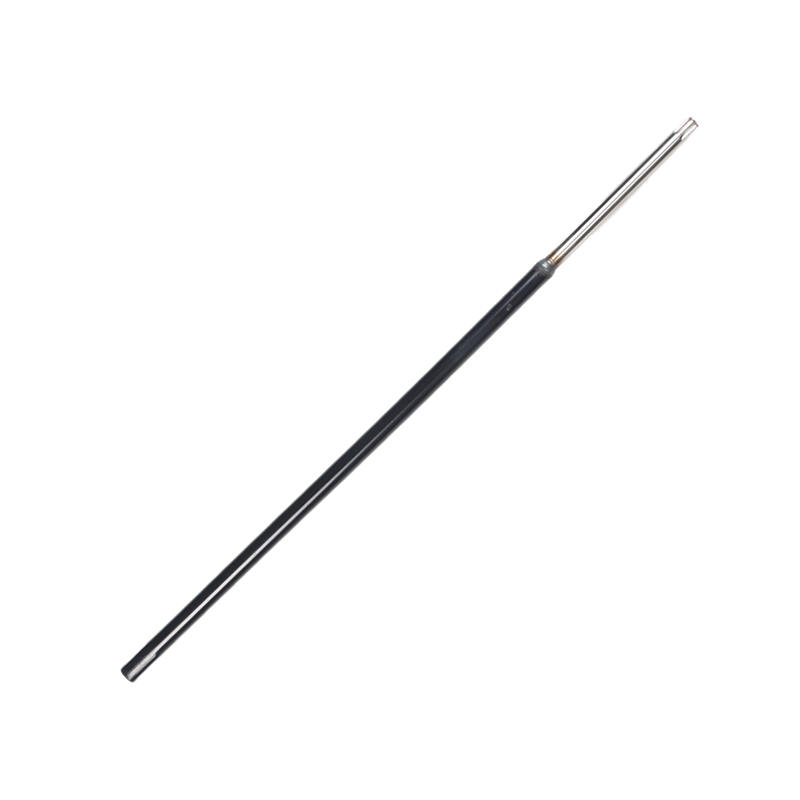
Vietnam's manufacturing sector has expanded rapidly on the back of automotive and general engineering investments, and drive shafts are part of that growth story. With rising vehicle demand and ongoing port and shipbuilding development, local and foreign-invested plants are upgrading capacity, materials, and quality systems for shaft production. [linkedin]
From an industry perspective, three trends stand out in Vietnam's drive shaft and prop‑shaft ecosystem: [automotivelogistics]
- Increasing presence of global tier‑1 brands via local distributors and joint ventures
- Rapid improvement of local machining, heat treatment, and balancing capabilities
- Growing specialization in export‑oriented, custom‑spec shafts for marine and off‑highway uses
For marine accessories specifically, Vietnam leverages its long coastline and active fishing and coastal logistics fleets, which continually need reliable propeller shafts, intermediate shafts, and couplings. [linson-marine]
When I advise shipowners or industrial buyers, I do not start with price. I start with risk. A failed shaft on a fishing vessel or coastal cargo boat is not just a maintenance issue; it is downtime, tow‑back costs, and reputational damage with end customers. [ysemarine]
Based on real procurement projects, the manufacturers and suppliers that consistently perform well in Vietnam and across Asia tend to share these traits: [accio]
- Strong engineering capability: In‑house design support, material selection advice, finite element checks for torsional strength, and clear tolerances.
- Certified quality systems: ISO‑certified plants, documented process controls, and traceability from raw material to finished shaft.
- Marine‑grade materials and coatings: Use of alloy steels, stainless options, and proven anti‑corrosion treatments suitable for saltwater exposure. [ysemarine]
- Dynamic balancing and alignment know‑how: Accurate machining, balancing to specified RPM ranges, and support for shaft alignment with gearboxes and engines.
- Reliable lead times and logistics: Realistic production schedules, export packaging, and experienced handling of sea or air shipments. [accio]
- After‑sales support: Technical feedback after installation, root‑cause analysis for failures, and rapid response on replacement units. [ysemarine]
From a user's point of view, the "top" supplier is the one that minimizes total cost of ownership over 5–10 years, not just the first invoice. [accio]
Vietnam's drive shaft ecosystem mixes different types of players, each with pros and cons for marine buyers: [schaeffler]
- Local manufacturers with machining and welding shops
These firms produce shafts, flanges, and couplings, often serving both local truck/auto markets and marine repair yards. They offer flexible customization but may vary in documentation and certifications.
- Foreign‑invested or joint‑venture plants
Backed by overseas capital and technology, they typically deliver higher consistency, better automation, and stronger alignment with global quality standards. [linkedin]
- Trading companies and integrators
They combine imported shafts, couplings, bearings, and seals, then sell complete kits into shipyards and repair yards. The advantage is breadth of brands; the risk is weaker engineering depth. [ysemarine]
- Specialized marine engineering companies
These companies focus on marine propulsion systems: engines, gearboxes, propeller shafts, seals, and alignment services. They often do not make the shafts but choose and integrate the best‑fit components for each vessel. [linson-marine]
When we benchmark suppliers in Vietnam against regional players in China, Taiwan, and Thailand, the highest‑performing partners consistently excel in eight categories: [linkedin]
1. Material and metallurgy competence
- Ability to recommend steel grades or stainless options suited to shaft length, torque and corrosion environment.
- Proven supplier base for billets or tubes with mill certificates.
2. Process control and testing
- Documented machining and heat‑treatment parameters.
- Dynamic balancing, runout checks, and non‑destructive testing where required.
3. Design support for marine applications
- Experience with shaft alignment, bearing spacing, and coupling selection for fishing boats, workboats, and coastal cargo vessels. [linson-marine]
- Ability to interpret class requirements and yard drawings.
4. Lead time and capacity flexibility
- Stable delivery performance even during seasonal peaks.
- Ability to handle rush repair orders after unexpected failures. [accio]
5. Export readiness
- English‑language documentation, drawing standards, and contracts.
- Robust export packaging that protects long shafts from bending or corrosion in transit. [accio]
6. Total lifecycle support
- Advice on installation, alignment, lubrication, and inspection intervals.
- Feedback loops for continuous improvement based on field performance. [ysemarine]
From personal consulting experience, buyers who follow a structured process reduce failure rate and renegotiation dramatically. A simple, effective approach looks like this: [accio]
1. Define your technical envelope clearly
- Shaft length, diameter, torque, RPM, engine and gearbox data, class requirements, and environment (river, coastal, offshore).
- Include preferred materials and any past failure issues.
2. Pre‑qualify 5–10 candidates
- Use global B2B platforms and industry directories that highlight manufacturers with drive shaft as a core product. [accio]
- Shortlist only those with clear factory information, quality certificates, and visible engineering capabilities.
3. Request standardized RFQs
- Send the same data package and drawing to each supplier to compare like‑for‑like.
- Ask for process descriptions (machining, balancing, surface treatments), not just price.
4. Benchmark response quality and speed
- Favor suppliers who respond quickly with targeted technical questions, not generic replies. [accio]
- Evaluate how clearly they communicate tolerances, testing, and warranty conditions.
5. Audit or virtually inspect the plant
- If travel is not possible, request live video tours and specific photos of CNC machining, welding, balancing machines, and inspection tools. [accio]
- Cross‑check these with customer reviews and third‑party ratings where available.
6. Start with a pilot order
- For new marine shaft suppliers, use a smaller batch or a single vessel set before scaling up.
- Track runout, vibration, temperature, and alignment performance in service over time.
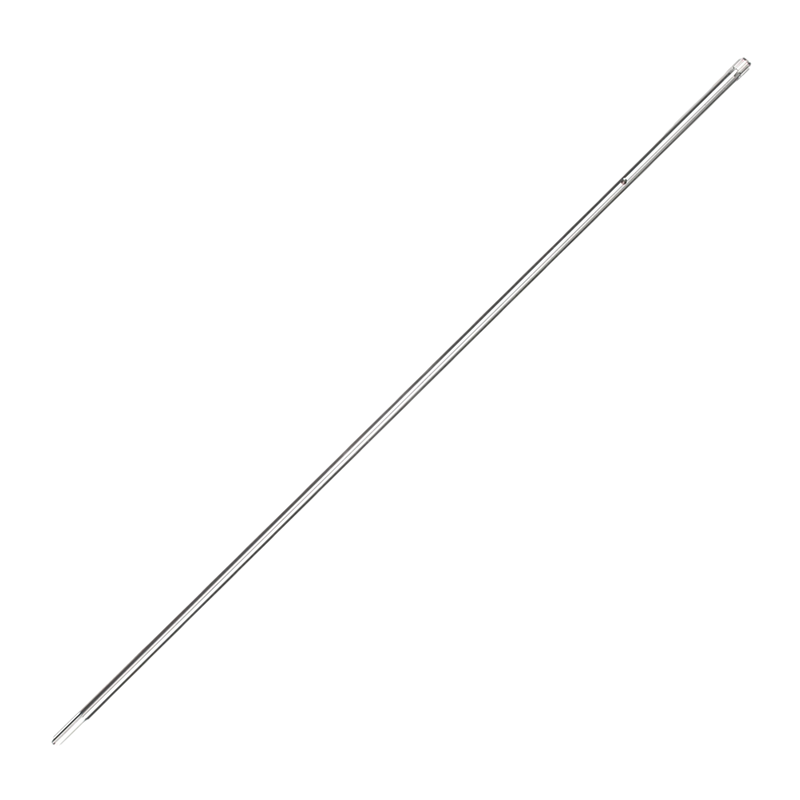
From an industry expert's view, Vietnam does not exist in isolation. Buyers often compare it with China, Taiwan, and other ASEAN countries when sourcing shafts. [wanchaoparts]
| Region | Typical Strengths | Typical Risks |
|---|---|---|
| Vietnam | Competitive labor costs, improving quality, strong growth in automotive and marine supply chains linkedin | Capability gaps between top and average plants, variable documentation quality linkedin |
| China | Very large supplier base, mature shaft clusters, strong price competitiveness linkedin | Wide quality dispersion, careful vetting and IP protection required linkedin |
| Taiwan | High‑precision machining, strong drivetrain know‑how, proven export track record linkedin | Higher unit prices, smaller pool of marine‑focused suppliers linkedin |
| Other ASEAN | Local proximity for regional fleets, established marine engineering firms linkedin | Limited depth of specialized shaft manufacturing in some markets linkedin |
For complex marine projects, many buyers combine Vietnamese shafts with components and engineering expertise from neighboring hubs, especially when targeting optimized cost‑to‑performance ratios. [ssl-cvjoint.com]
User feedback from shipyards, fishing vessel owners, and coastal operators tends to cluster around a few very practical concerns: [linson-marine]
- Vibration and noise at cruising RPM
Operators notice immediately if a new shaft causes unusual vibration; this points to alignment or balancing issues.
- Corrosion around keyways and couplings
Poor surface treatment or inappropriate materials often show up first at stress concentrators. [ysemarine]
- Ease of installation
Yard engineers value shafts that match drawings, with accurate flange dimensions and keyways that fit without rework.
- Responsiveness during breakdowns
The suppliers who get repeat business are those who can turn around replacement shafts or spares quickly when a vessel is unexpectedly down. [linson-marine]
From an expert's standpoint, incorporating real user feedback into supplier selection is crucial. Ask directly for client references in marine applications and specific case examples of problem solving. [linson-marine]
Although your company is based outside Vietnam, global buyers searching for "top drive shaft manufacturers and suppliers in Vietnam" often compare local Vietnamese options with established regional experts in marine shafts. A specialist producer of marine drive shafts and related components can differentiate in several ways: [accio]
- Deep focus on marine applications rather than generic automotive or industrial shafts
- Integration capability across shafts, couplings, flanges, and other transmission parts
- Experience with export projects supplying Vietnamese or ASEAN shipyards as an external technology partner
- Proven quality track record that complements Vietnam's cost advantages with higher reliability and engineering depth
Positioning your brand clearly as a marine transmission expert serving Vietnamese and global customers helps buyers understand when to choose a Vietnam‑based shop and when to leverage your specialized capabilities in more demanding applications. [ysemarine]
Industry data and forecasts suggest that Vietnam's demand for drive shafts and related components will continue to rise through the end of this decade, driven by several structural trends: [linkedin]
- Ongoing expansion of the domestic automotive market, boosting local shaft consumption
- Growth in logistics, inland waterways, and coastal shipping, increasing marine shaft demand
- Relocation of global supply chains into Vietnam as companies diversify beyond single‑country sourcing
For buyers, this means a larger pool of suppliers, but also more variability in quality and specialization. To stay ahead, it pays to maintain a dual strategy: build long‑term partnerships with the best Vietnamese suppliers while retaining relationships with regional specialists for complex or high‑risk projects. [linkedin]
When I support a shipyard or fleet owner, we use a standard specification checklist to avoid costly misunderstandings. A simplified version looks like this:
- Mechanical data
- Engine model and power
- Gearbox ratio and output flange details
- Maximum continuous RPM and torque
- Shaft parameters
- Overall length and diameter
- Taper, keyway, and flange standards
- Runout and straightness tolerances
- Material and protection
- Preferred material grade (steel or stainless)
- Surface treatment, coatings, and corrosion protection
- Requirements for class approvals or certifications
- Quality and testing
- Dynamic balancing specs (e.g., at operating RPM range)
- NDT requirements (UT, MPI) if any
- Documentation: material certificates, test reports, drawings
Sending this checklist upfront to Vietnamese or regional suppliers dramatically improves quote accuracy and reduces later disputes over performance or warranty.
In real projects, the most robust sourcing strategies for marine drive shafts often mix local and regional strengths. A practical model looks like this: [ssl-cvjoint.com]
- Use Vietnam‑based suppliers for standard or less complex shafts, repair jobs, and projects where local service and speed matter most.
- Use regional specialists and OEM‑grade manufacturers for long, high‑speed shafts, complex materials, or vessels with critical uptime requirements.
- Maintain open technical communication between the shipyard, local supplier, and specialist manufacturer to align on design, tolerances, and installation.
This hybrid sourcing model gives you cost efficiency without sacrificing reliability, which is particularly valuable for fleets operating in demanding environments with tight schedules.
If you are currently evaluating drive shaft manufacturers and suppliers in Vietnam, now is the ideal time to build a structured, data‑driven sourcing strategy. Instead of relying on one‑off quotes, use the criteria and checklist above to identify partners who can support your fleet or shipyard for the next decade.
As a specialized marine drivetrain manufacturer, Ningbo Gill Transmission Parts Co., Ltd. can work alongside your Vietnamese suppliers or shipyards to design, produce, and optimize marine drive shafts and related components for demanding environments. Whether you are planning a newbuild series or need fast replacement shafts for working vessels, reach out with your drawings and technical data to start a focused engineering discussion.
Contact us to get more information!
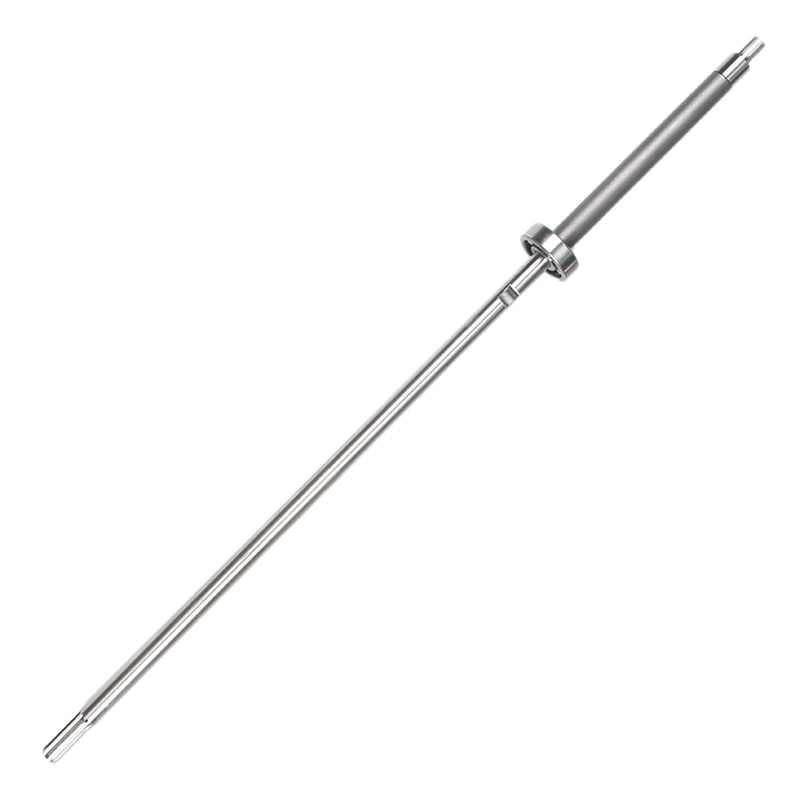
Focus first on engineering strength, quality systems, marine experience, and communication, then compare prices among those who meet your minimum performance and documentation standards. [linkedin]
Yes, many are increasingly export‑ready, but capabilities vary. Look for clear factory information, certifications, English‑language documentation, and proven references in marine or automotive exports. [automotivelogistics]
Specify tight runout and balancing requirements, ensure proper alignment during installation, and work with suppliers who understand marine shaft dynamics and can support on troubleshooting. [linson-marine]
For robust risk management, combine strong Vietnamese partners for standard or time‑sensitive work with regional specialists for complex, high‑criticality shafts or advanced materials. [ssl-cvjoint.com]
At minimum, ask for material certificates, machining and balancing records, detailed drawings, and any test reports or class approvals required by your shipyard or flag state. [linkedin]
1. Vietnam Automotive Drive Shaft Market – size, growth drivers, and leading players in Vietnam's automotive drivetrain sector.
https://www.linkedin.com/pulse/vietnam-automotive-drive-shaft-market-size-share-insights-yym9f [linkedin]
2. Strategic Trends in Prop Shaft Market 2026–2034 – global prop shaft trends and strategic sourcing considerations.
https://www.datainsightsmarket.com/reports/prop-shaft-666954 [datainsightsmarket]
3. YSE Marine Engineering – example of a regional marine engineering company handling engines and genuine marine parts.
https://www.ysemarine.com [ysemarine]
4. Global drive shaft factory suppliers and sourcing metrics – guidance on supplier evaluation, response metrics, and customization.
https://www.accio.com/supplier/drive-shaft-factory [accio]
5. Shing Shing Long (SSL) – drivetrain system components manufacturer with export‑oriented drive shaft expertise.
https://www.ssl-cvjoint.com.tw [ssl-cvjoint.com]
6. Recent growth in Vietnam's manufacturing sector – outlook for Vietnam as a manufacturing and automotive hub.
https://www.automotivelogistics.media/nearshoring/recent-growth-in-vietnams-manufacturing-sector-set-to-continue-over-the-next-d/ [automotivelogistics]
7. Top marine supplies providers in Southeast Asia – example of marine parts and service ecosystems in the region.
https://www.linson-marine.com/blog/Top-10-Boat-Engine-Parts-And-Marine-Supplies-Supplier-In-Jakarta-Indonesia/ [linson-marine]
8. Wanchao – example of an OEM drive shaft producer and related search behavior for drive shaft products.
https://www.wanchaoparts.com/vi/car-drive-shaft-factory/ [wanchaoparts]
9. Schaeffler Vietnam – illustration of automotive aftermarket and drivetrain solutions in Vietnam.
https://www.schaeffler.vn/en/products-and-solutions/automotive-aftermarket/ [schaeffler]
10. Global drive shaft and propeller shafts market analysis 2026–2033 – macro trends in high‑performance shaft demand.
https://www.linkedin.com/pulse/drive-shaft-propeller-shafts-market-analysis-2026-2033-competitive-ubfve [linkedin]


