


close
Choose Your Site
Global
Social Media
Views: 222 Author: Gill Transmission Publish Time: 2026-04-01 Origin: Site


Content Menu
● Why Germany Leads the Global Propeller Shaft Market
● Top Propeller Shaft Manufacturers and Suppliers in Germany (2026)
>> 3. MAN Energy Solutions (Augsburg)
>> 4. Becker Marine Systems (Hamburg)
>> 5. Gelenkwellen-Service GmbH (GWS)
● Critical Comparison: German Suppliers vs. Global Alternatives
● 3 Strategic Trends Defining Propeller Shafts in 2026
>> 1. The Rise of Lightweight Composites
>> 2. Smart Shafts: Real-Time Torque & Vibration Monitoring
>> 3. Decarbonization and the "Electric Shaft"
● How to Choose the Right Supplier: A Technical Checklist
● Expert Insight: The Ningbo Gill Perspective
● Conclusion: Securing Your Vessel's Future
● Frequently Asked Questions (FAQ)
The global maritime industry is undergoing a radical shift toward sustainability, and at the heart of this transformation lies the propulsion system. For vessel owners, shipyards, and procurement managers, selecting the right components is no longer just about mechanical fit; it's about efficiency, compliance with 2026 carbon mandates, and long-term durability.
As an industry specialist with years of experience in marine transmission parts, I have observed that Germany remains the global gold standard for propeller shaft engineering. In this guide, I will break down the top propeller shaft manufacturers and suppliers in Germany, analyze the latest technological shifts, and provide a roadmap for sourcing high-performance shafts that meet the rigorous standards of modern seafaring.
German engineering is synonymous with precision. In the context of marine propeller shafts, this reputation is built on a foundation of advanced metallurgy and integrated system design. German manufacturers don't just sell a "steel rod"; they provide a complete shaft line solution that includes bearings, seals, and vibration-dampening technology.
According to recent 2026 market data, the German marine propulsion sector is growing at a CAGR of 2.9%, outperforming many other European counterparts. This growth is driven by a focus on "Green Propulsion" and the integration of smart monitoring sensors within the shaft itself.
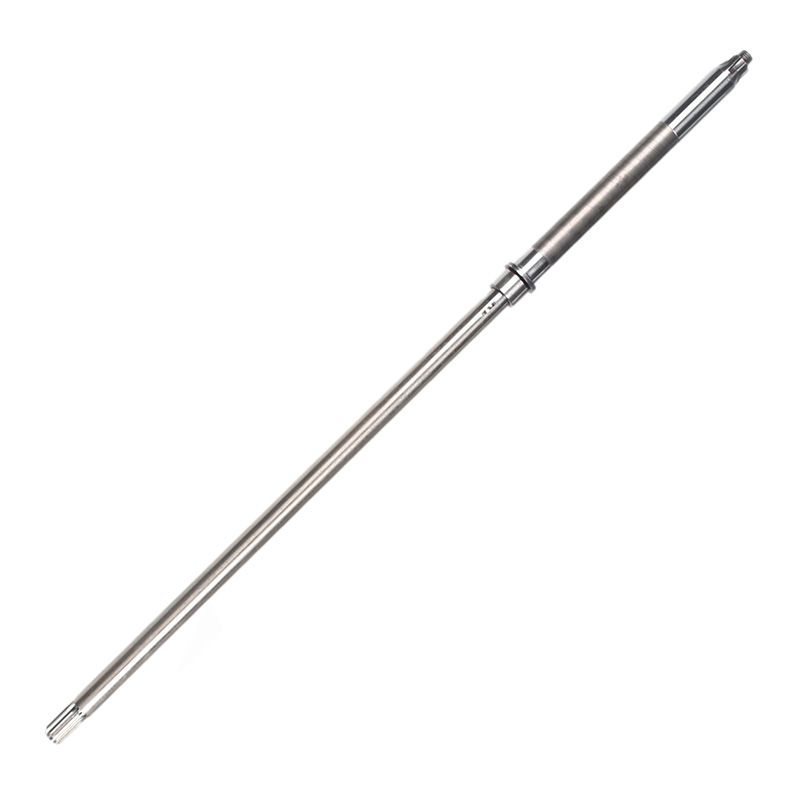
Navigating the German supplier landscape requires understanding the distinction between large-scale OEMs (Original Equipment Manufacturers) and specialized technical suppliers. Below are the industry leaders currently shaping the market.
SKF is arguably the most recognized name in the German maritime sector. Their Simplex brand of shaft components is legendary for reliability.
- Specialization: Complete shaft line solutions, including stern tube seals and high-performance bearings.
- Expert Insight: SKF has pioneered "Environmentally Acceptable Lubricants" (EAL) compatible seals, which are essential for vessels operating in US waters or sensitive ecological zones.
While widely known for automotive transmissions, ZF's marine division is a powerhouse in propulsion.
- Specialization: Integrated propulsion systems for yachts, fast ferries, and commercial vessels.
- Key Advantage: Their ability to synchronize the propeller shaft with complex gearbox systems ensures maximum fuel efficiency.
MAN focuses on the "heavy-duty" end of the spectrum.
- Specialization: Large-bore engines and the massive propeller shafts required for container ships and tankers.
- 2026 Trend: MAN is currently leading the transition to ammonia and methanol-ready propulsion systems, where shaft durability is tested against new torque profiles.
While famous for their rudders, Becker provides critical integration for the aft-ship, including specialized shafting components that reduce drag.
- Key Product: The Becker Mewis Duct, which often requires specific shaft alignments to maximize the 6-8% fuel savings it offers.
GWS is a critical supplier for those needing high-precision industrial and marine drive shafts with a focus on rapid maintenance and repair.
- Specialization: Custom-built shafts and universal joints for specialized marine applications.
When sourcing Propeller Shafts, it is helpful to see how top German suppliers stack up against the broader market in terms of technology and service.
| Feature | German Tier-1 Suppliers | Standard Global Suppliers |
| Material Grade | High-tensile Duplex/Super Duplex | Standard 316 Stainless or Carbon Steel |
| Tolerance Levels | Micron-level precision (DIN/ISO) | Standard industrial tolerances |
| Sustainability | EAL-compatible & Carbon-neutral mfg. | Basic environmental compliance |
| Digital Integration | IoT-enabled vibration monitoring | Analog/None |
| Life Cycle | 20-30 years with proper maintenance | 10-15 years |
To stay ahead of the competition, manufacturers like Ningbo Gill Transmission Parts Co., LTD. and their German counterparts are focusing on these three pillars of innovation:
While steel remains the king of the commercial fleet, we are seeing a massive surge in Carbon Fiber Reinforced Polymer (CFRP) shafts for naval and high-speed passenger vessels.
- The Benefit: CFRP shafts can be up to 70% lighter than steel. This reduces the load on bearings and allows for longer spans between supports, simplifying ship design.
In 2026, a propeller shaft is no longer "dumb" metal. High-end German suppliers are embedding fiber-optic sensors directly into the shaft.
- Expert View: This allows for Predictive Maintenance. Instead of pulling the shaft every 5 years for inspection, AI-driven data tells the engineer exactly when a bearing is about to fail, preventing catastrophic mid-sea breakdowns.
As hybrid and fully electric vessels become mainstream, propeller shafts must handle different torque characteristics. Electric motors provide 100% torque at zero RPM, which puts unique stress on the shaft's keyways and couplings. German engineering excels here by utilizing advanced finite element analysis (FEA) to ensure shafts don't snap under sudden electrical load surges.
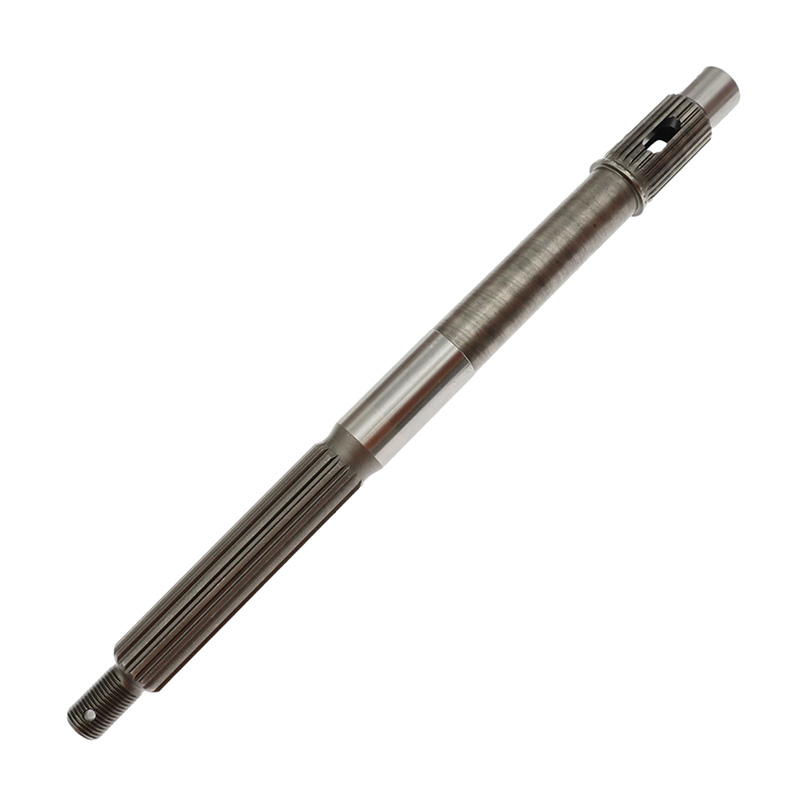
From my years of auditing marine supply chains, I recommend following this 5-step verification process before signing a contract with a Propeller Shaft manufacturer:
- Certification Verification: Ensure the supplier holds current class approvals from DNV, ABS, or Lloyd's Register.
- Metallurgical Transparency: Ask for the heat treatment records and material certificates (EN 10204 3.1 or 3.2).
- Torsional Vibration Analysis (TVA): A top-tier supplier should provide or assist with a TVA to ensure the shaft won't resonate at operational speeds.
- After-Sales Hubs: Check if the supplier has service stations in major German ports like Hamburg, Bremerhaven, or Rostock.
- Lead Time vs. Customization: For standard shafts, lead times should be 8-12 weeks. For custom Duplex shafts, plan for 16-24 weeks.
While German manufacturers offer incredible quality, the global nature of shipping means that strategic partnerships are key. Companies like Ningbo Gill Transmission Parts Co., LTD. bridge the gap by providing high-precision manufacturing that meets international standards (often used in tandem with German-designed systems). By focusing on specialized R&D and high-performance alloys, we ensure that the global supply chain for propeller shafts remains robust and cost-effective without sacrificing the "German-level" precision the industry demands.
The "Top Propeller Shaft Manufacturers and Suppliers in Germany" are no longer just selling parts—they are selling "uptime". In an era of high fuel costs and strict environmental regulations, your choice of shaft line determines your vessel's efficiency for the next two decades.
Whether you choose a giant like SKF or a specialized engineering firm, prioritize Experience, Expertise, and Innovation.
Ready to upgrade your propulsion system? Contact Ningbo Gill Transmission Parts Co., LTD. today for a technical consultation on Propeller Shaft solutions that meet 2026 global standards.
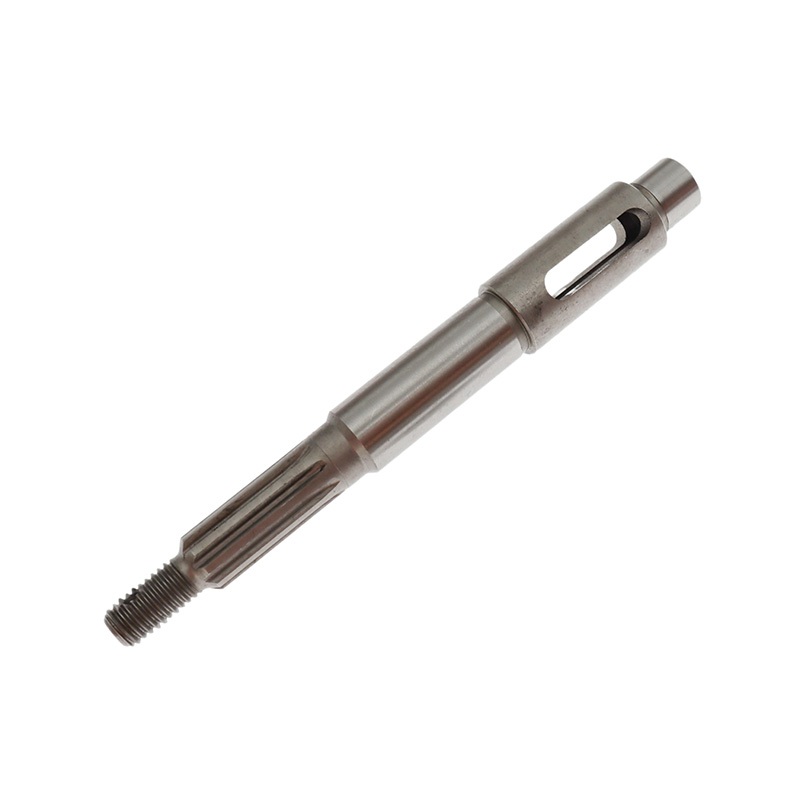
Q1: What is the most common material used for propeller shafts in Germany?
A: While stainless steel 316L was common, most modern German manufacturers now use Duplex Stainless Steel (e. g., 1.4462) due to its superior fatigue strength and corrosion resistance in seawater.
Q2: How often should a marine propeller shaft be inspected?
A: According to major classification societies (DNV/ABS), a full "out of water" inspection is typically required every 5 years, though smart monitoring systems can now extend these intervals through condition-based monitoring.
Q3: Can a damaged propeller shaft be repaired, or must it be replaced?
A: Minor surface wear or straightness issues can often be repaired through "straightening" or "cladding" (weld overlay). However, if there is a crack detected via Magnetic Particle Inspection (MPI), replacement is usually mandatory for safety.
Q4: What is the impact of "EAL" (Environmentally Acceptable Lubricants) on shafts?
A: EALs can sometimes be more aggressive toward traditional rubber seals. German suppliers like SKF have developed Viton or specialized synthetic seals specifically to handle EALs without leaking.
Q5: Are composite (Carbon Fiber) shafts worth the extra cost?
A: For high-speed craft where weight is critical to fuel economy, yes. The ROI is usually seen within 3-5 years through fuel savings and reduced bearing wear.
Future Market Insights (2026): Marine Propulsion Engine Market Analysis & Forecast 2036
ShipServ Directory: Marine Suppliers of Propeller Shafts in Germany
Data Insights Market: Strategic Trends in Prop Shaft Market 2026-2034
Fortune Business Insights: Marine Propeller Market Growth & Global Forecast
ABET Engineering Criteria: Accrediting Engineering Programs 2026 Standards


