


close
Choose Your Site
Global
Social Media
Views: 222 Author: Gill Transmission Publish Time: 2026-03-31 Origin: Site


Content Menu
● 1. The Landscape of Marine Propulsion in Portugal
● 2. Leading Propeller Shaft Suppliers & Engineering Firms in Portugal
>> A. Lisnave Estaleiros Navais S. A. (Setúbal)
>> B. Wärtsilä Portugal, S. A.
>> C. Navalrocha S. A. (Lisbon)
>> D. Motolusa - Motores de Portugal, Lda.
>> E. Comparative Overview of Major Players
● 3. Critical Industry Trends for 2026: The "Green" Shaft
>> The Shift to Sustainable Materials
>> Predictive Maintenance & IoT
● 4. Technical Guide: Selecting the Right Shaft Specifications
● 5. Identifying Information Gaps: What Most Buyers Miss
● 6. How Ningbo Gill Transmission Parts Supports the Portuguese Market
● FAQ: Frequently Asked Questions
As the maritime industry steers toward a more sustainable and technologically advanced future, the demand for precision-engineered propulsion components has never been higher. In the heart of Europe's Atlantic gateway, Portugal remains a critical hub for ship repair, maintenance, and marine engineering. For fleet owners, naval architects, and procurement managers, finding the top propeller shaft manufacturers and suppliers in Portugal is not just about local sourcing; it's about securing components that meet the rigorous standards of modern maritime operations.
At Ningbo Gill Transmission Parts Co., LTD., we understand that the propeller shaft is the literal backbone of a vessel's propulsion system. Through years of R&D and global collaboration, we've observed how the Portuguese market blends traditional craftsmanship with cutting-edge European standards. This guide provides an expert deep dive into the leading players in the region, emerging industry trends for 2026, and a strategic framework for selecting the right propulsion partner.
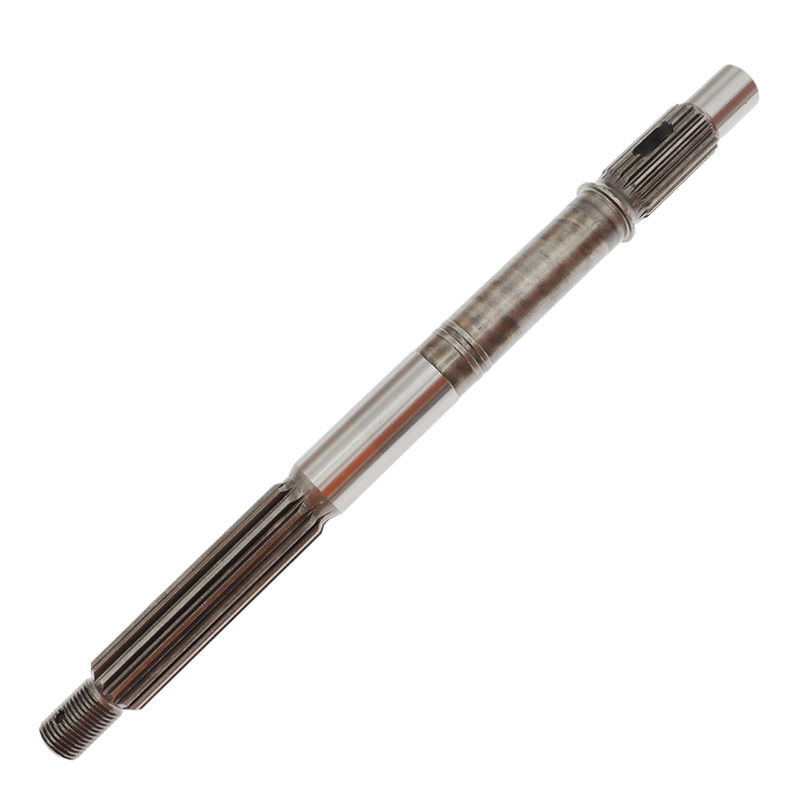
Portugal's strategic position—boasting one of the largest Exclusive Economic Zones (EEZ) in Europe—has fostered a robust marine engineering sector. While many components are imported through global supply chains, the local expertise in propeller shaft machining, alignment, and emergency repair is world-class.
- Setúbal & Lisbon: Home to major shipyards like Lisnave, these areas focus on large-scale merchant vessel shafting.
- Porto & Viana do Castelo: Centers for specialized vessel construction and artisanal fishing fleet maintenance.
When searching for the top propeller shaft manufacturers and suppliers in Portugal, it is essential to distinguish between local fabricators, international distributors, and specialized repair facilities.
Lisnave is arguably the most recognized name in Portuguese ship repair. While primarily a shipyard, their in-house mechanical workshops are equipped to handle the straightening, machining, and balancing of massive propeller shafts for tankers and container ships.
- Expertise: Large-diameter shafting, ultrasonic testing, and laser alignment.
- Best for: Commercial shipping and heavy-duty industrial marine repairs.
As a global leader in propulsion technology, Wärtsilä's Portuguese division provides high-tech propeller shaft solutions, including their renowned Enviroguard seals and composite bearings.
- Expertise: Controllable Pitch Propeller (CPP) systems and energy-efficient shafting.
- Best for: High-performance vessels and eco-conscious fleet upgrades.
Located in the heart of Lisbon, Navalrocha offers specialized services for mid-sized vessels. They are a go-to partner for the supply and installation of stainless steel and carbon steel shafts for ferries and offshore support vessels.
- Expertise: Rapid turnaround for coastal and naval vessels.
A key distributor for many international brands, Motolusa provides comprehensive propulsion packages. They serve as a vital link for acquiring OEM-grade propeller shafts and transmission parts for smaller commercial and leisure craft.
| Company Name | Primary Focus | Service Scope | Key Strength |
| Lisnave | Large-scale Repair | Global Merchant Fleet | Massive infrastructure & scale |
| Wärtsilä Portugal | Tech & Innovation | Advanced Propulsion Systems | Sustainable & Digital solutions |
| Navalrocha | Mid-size Refits | Regional & Naval Vessels | Central location & agility |
| Motolusa | Equipment Supply | Distribution & Spare Parts | Wide OEM brand availability |
| Gill Transmission | R&D & Manufacturing | Global Export (incl. PT) | High-precision custom shafting |
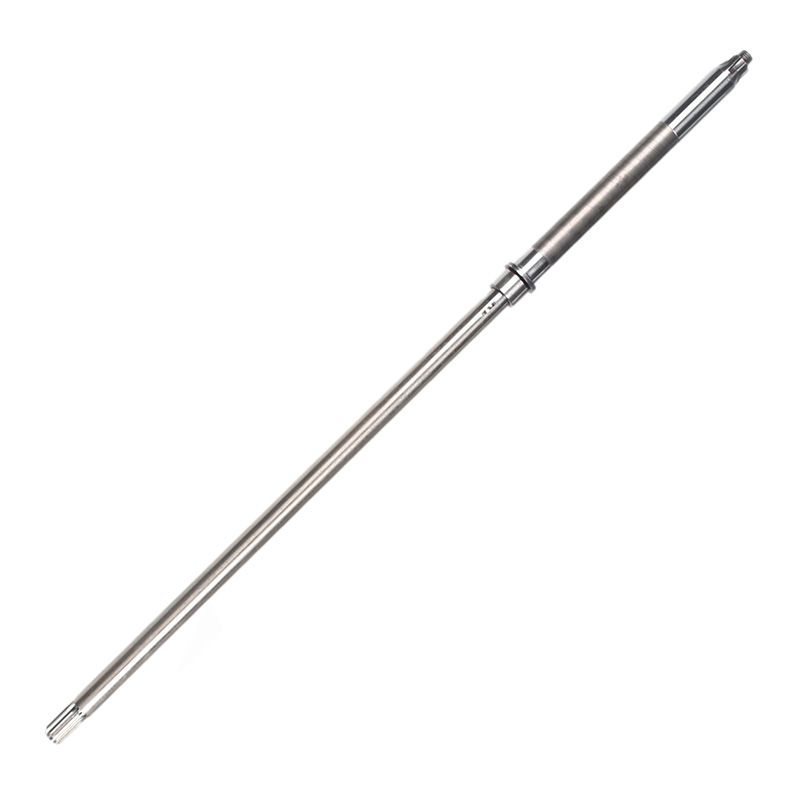
The maritime industry in 2026 is no longer just about durability; it's about efficiency and environmental compliance.
We are seeing a significant increase in the adoption of water-lubricated stern tube systems. Traditional oil-lubricated shafts are being replaced to prevent oceanic pollution. Manufacturers in Portugal are increasingly sourcing shafts designed for these "oil-free" environments, utilizing specialized stainless steel alloys that resist corrosion without heavy lubrication.
Smart propeller shafts are now a reality. Integrated sensors can monitor torque, vibration, and temperature in real-time. This "digital twin" approach allows Portuguese ship managers to predict shaft failure months in advance, significantly reducing the risk of catastrophic mid-sea breakdowns.
Expert Insight: "The integration of IoT sensors into the shaft line is no longer an option for high-end commercial vessels; it is a prerequisite for insurance and operational safety in 2026." — Engineering Lead, Ningbo Gill Transmission.
Choosing a supplier requires more than just looking at a catalog. In the professional maritime sector, the following technical parameters are non-negotiable:
1. Material Grade: * 316L Stainless Steel: Standard for smaller vessels.
- Duplex (2205) / Super Duplex: Recommended for high-speed craft due to superior strength-to-weight ratios and fatigue resistance.
- Forged Carbon Steel: Typically used in large merchant ships with specialized liners.
2. Tolerances & Straightness: Propeller shafts must be straight within exceptionally tight tolerances (often within 0.001 inches per foot).
3. Taper Accuracy: The fit between the propeller and the shaft taper is critical for torque transmission. Portuguese suppliers often use "Blue Fit" testing to ensure a minimum of 80% contact area.
When looking for top propeller shaft manufacturers and suppliers in Portugal, many buyers overlook the Total Cost of Ownership (TCO). A cheaper shaft often leads to:
- Higher vibration, leading to bearing failure.
- Premature corrosion at the seal interface.
- Increased fuel consumption due to misalignment.
Practical Tip: Always ask for Class Society Certification (e. g., BV, DNV, LR). If a supplier in Portugal cannot provide 3.1 or 3.2 material certificates, the risk to your vessel's seaworthiness is too high.
While we are based in Ningbo, our role as a global R&D leader allows us to support Portuguese engineering firms with specialized components.
- Custom Forging: We provide the raw, high-strength forged blanks that local Portuguese workshops machine to final specifications.
- Technical Synergy: By combining our high-volume manufacturing efficiency with Portuguese local expertise, shipowners get the best of both worlds: Global Quality at Competitive Pricing.
Navigating the supply chain for marine propulsion requires a partner who understands both the local Portuguese nuances and the global engineering standards of 2026. Whether you are performing a routine refit at Lisnave or designing a new eco-ferry, your choice of propeller shaft will dictate your vessel's performance for decades.
Looking for high-precision propeller shafts or custom transmission parts?
At Ningbo Gill Transmission Parts Co., LTD., we specialize in the engineering excellence required for the most demanding marine environments.
Contact Our Technical Team Today to discuss your project specifications or to request a quote for export-grade propulsion components. Let's drive your maritime future together.
1. How long does it typically take to manufacture a custom propeller shaft in Portugal?
For standard stainless steel shafts, the lead time is usually 2–4 weeks. However, for large forged shafts requiring Class Certification (DNV/LR), lead times can extend to 8–12 weeks depending on material availability.
2. Can I use a carbon fiber propeller shaft instead of steel?
Yes, composite shafts are becoming popular in 2026 for weight reduction and corrosion resistance. They are primarily used in high-speed ferries and naval crafts, though they require specialized expertise for installation and repair.
3. What is the most common cause of propeller shaft failure?
Misalignment and electrolysis (galvanic corrosion) are the leading causes. Ensuring proper cathodic protection (zincs) and regular laser alignment checks can double the lifespan of your shaft.
4. Are there environmental regulations for propeller shafts in Portuguese waters?
Yes, under EU and IMO regulations, vessels operating in protected waters are encouraged to use Environmentally Acceptable Lubricants (EALs) or water-lubricated systems to prevent oil leakage from stern tubes.
5. How do I verify the quality of a Portuguese supplier?
Ensure they hold ISO 9001 certification and can provide Class Society approval for the specific material and welding processes used in the shaft's construction.
Lisnave Estaleiros Navais S.A. Official Site - Industry leadership in ship repair.
Wärtsilä Marine Solutions - Global standards for propulsion and sustainability.
European Maritime Safety Agency (EMSA) - Lisbon - Standards on marine equipment and environmental safety.
DNV Propulsion System Guidelines - Technical standards for shafting and alignment.
Navalrocha Shipyard Portfolio - Regional supply and repair data.


