


close
Choose Your Site
Global
Social Media
Views: 222 Author: Gill Transmission Publish Time: 2026-03-30 Origin: Site


Content Menu
● 1. The Strategic Importance of Propeller Shafts in Modern Marine Engineering
>> Key Performance Indicators (KPIs) for Propeller Shafts:
● 2. Top Propeller Shaft Manufacturers and Suppliers in Spain
>> E. Teignbridge Spain (Service & Distribution)
● 3. Comparative Analysis of Leading Spanish Suppliers
● 4. Industry Insight: Trends Shaping the 2026 Spanish Marine Market
>> I. The Rise of "Green" Propulsion
>> II. Predictive Maintenance and IoT
>> III. High-Strength Alloys (Duplex & Super Duplex)
● 5. Technical Spotlight: Precision Manufacturing Standards
● 6. How to Select the Right Supplier for Your Project
● 7. Global Alternative: Why Partner with Ningbo Gill Transmission Parts?
● Frequently Asked Questions (FAQ)
As the maritime industry shifts toward more rigorous efficiency standards and sustainable propulsion, the demand for high-performance transmission components has reached a critical peak. In Spain—a nation with a storied naval history and a robust modern shipbuilding sector—selecting the right partner for propeller shafting is no longer just about procurement; it is about engineering integrity.
Whether you are a shipyard manager in Vigo or a fleet operator looking for specialized maintenance, understanding the landscape of top propeller shaft manufacturers and suppliers in Spain is essential. This guide provides an expert deep dive into the leading players, technical innovations, and the criteria that define world-class marine transmission parts in 2026.
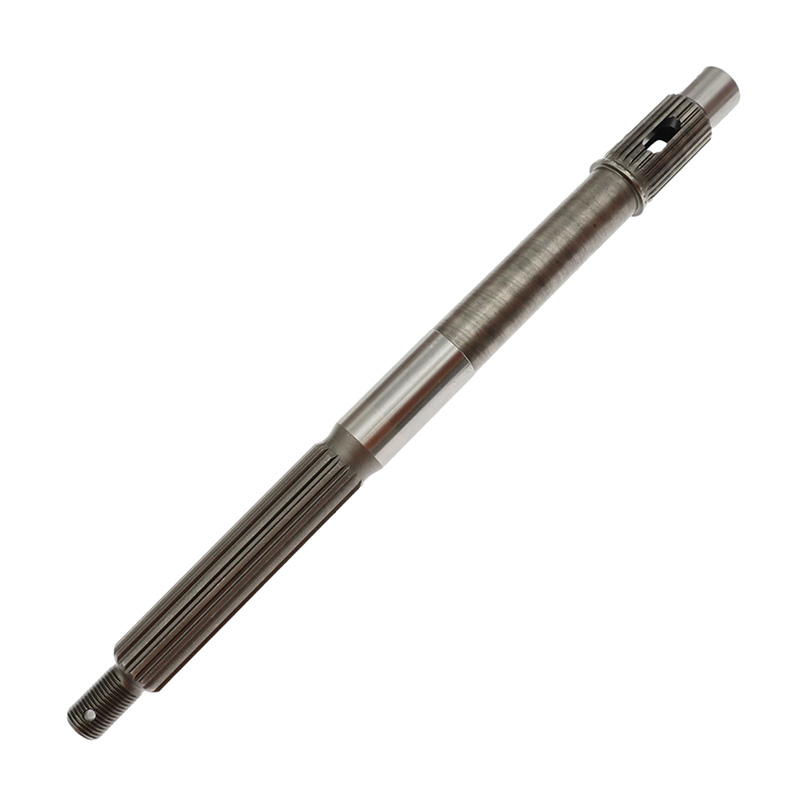
The propeller shaft (or tail shaft) is the literal backbone of a vessel's propulsion system. It must withstand immense torsional stress while resisting the corrosive nature of the marine environment. In recent years, the industry has seen a move toward duplex stainless steel alloys and composite materials to reduce weight and increase lifespan.
- Torsional Strength: Resistance to twisting under high engine torque.
- Corrosion Fatigue Resistance: Ability to withstand cyclic loading in saltwater.
- Precision Machining: Minimizing vibration to protect bearings and seals.
The Spanish marine market is characterized by a mix of long-standing family-owned industrial groups and high-tech engineering firms. Here are the premier entities currently dominating the sector:
Located in the heart of the Galician naval cluster, Baliño has been a cornerstone of Spanish marine engineering since 1948. They specialize in complete propulsion packages, including shafts, controllable pitch propellers (CPP), and stern tubes.
- Expertise: Custom machining and large-scale propulsion systems for trawlers and merchant vessels.
- Why they lead: Their integration within the ACLUNAGA (Galician Naval Maritime Cluster) allows them to provide turnkey solutions from design to installation.
While globally famous for mooring chains, Vicinay Marine is a powerhouse in the broader marine hardware and transmission supply chain. Based in Bilbao, they represent the "Gold Standard" for metallurgical excellence in Spain.
- Service: High-grade forged steel components and integrity assessment services.
- Specialization: Large-diameter shafts for offshore platforms and heavy-duty naval vessels.
Alconza focuses on the intersection of electrical propulsion and mechanical transmission. As vessels move toward hybrid and electric systems, Alconza's ability to manufacture shaft generators and integrate them with main propeller shafts has made them a preferred supplier for specialized vessels like oceanographic research ships and LNG carriers.
As the Spanish arm of the global giant, Wärtsilä provides comprehensive shaft line solutions. They are the go-to for integrated shaft lines, offering everything from the shaft itself to seals, bearings, and condition monitoring systems.
- Innovation: Their "LineSafe" bearings and advanced seal technology are designed to meet 2026's strict environmental regulations regarding oil leakage.
Specializing in the yacht and high-speed craft segment, Teignbridge provides high-precision shafts, often utilizing their proprietary Temet 25 duplex stainless steel. Their Spanish operations focus on rapid delivery and precision alignment for the Mediterranean yachting fleet.
| Manufacturer | Core Specialization | Target Vessel Segment | Key Material/Technology |
| Baliño | Integrated CPP Systems | Trawlers & Merchant | High-precision Machining |
| Vicinay | Forged Components | Offshore & Naval | High-Tensile Forged Steel |
| Alconza | Shaft Generators | Hybrid/Electric Vessels | Integrated Electric Drive |
| Wärtsilä | Full Shaft Line Solutions | Commercial & Cargo | Condition Monitoring/Seals |
| Teignbridge | High-Speed Shafting | Yachts & Patrol Boats | Temet 25 Duplex Steel |
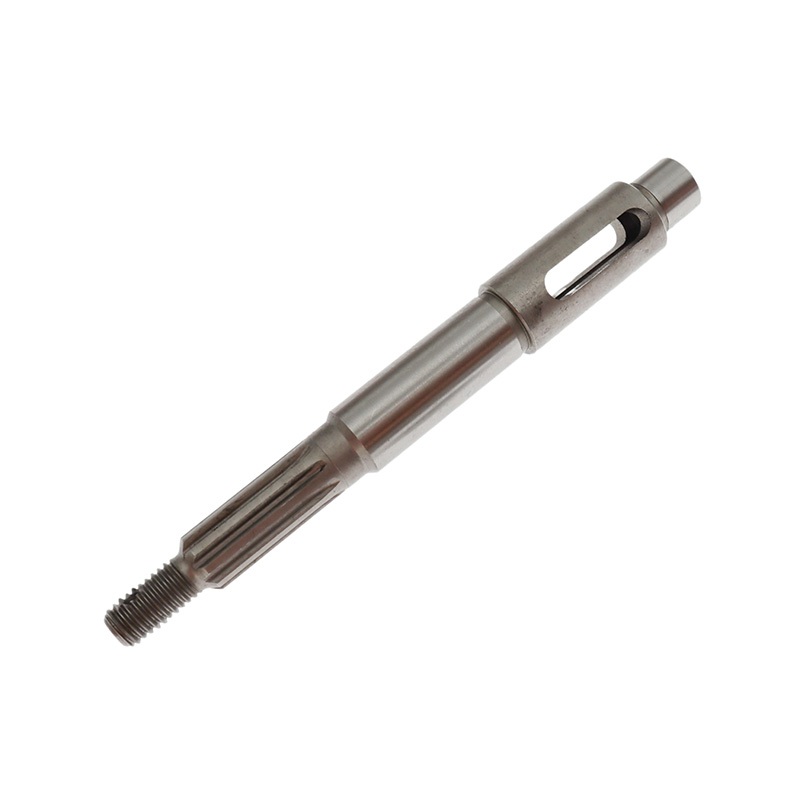
As an industry expert, I've observed three pivotal shifts that are redefining how propeller shafts are manufactured and maintained in Spain:
The Spanish government's "PERTE Naval" initiative has funneled investment into sustainable shipbuilding. This has increased the demand for shaft generators that can recover energy from the propeller's rotation, as well as shafts compatible with water-lubricated bearings to eliminate the risk of oil spills.
Manufacturers like Wärtsilä are now embedding sensors directly into the shaft line. These sensors monitor vibration, temperature, and torque in real-time. For Spanish fleet operators, this means moving from "scheduled" dry-docking to "condition-based" maintenance, significantly reducing downtime.
Traditional carbon steel shafts with bronze liners are being replaced by Duplex Stainless Steels. These materials offer a much higher strength-to-weight ratio, allowing for thinner shafts that reduce the total weight of the propulsion train without sacrificing safety.
When vetting top propeller shaft manufacturers and suppliers in Spain, look for compliance with International Classification Societies (IACS) such as:
- DNV (Det Norske Veritas)
- Bureau Veritas (BV)
- Lloyd's Register (LR)
Precision is measured in microns. For example, a shaft that is not perfectly straight (within $0.05\text{ mm}$ over several meters) will cause "whipping," which destroys bearings and seals in a matter of months.
Choosing a supplier involves more than comparing quotes. Consider these three steps:
- Verify Metallurgical Certifications: Ensure the manufacturer can provide heat-treatment records and material mill certificates (3.1 or 3.2 certificates).
- Evaluate Local Support: In Spain, look for suppliers with a strong presence in hubs like Ferrol, Vigo, or Algeciras. Proximity for final alignment and commissioning is vital.
- Future-Proofing: Ask if their shafting systems are compatible with future upgrades, such as energy-saving devices (ESD) or hybrid drive motors.
While Spanish manufacturers offer local expertise, global supply chains require flexibility and specialized R&D. Ningbo Gill Transmission Parts Co., LTD. bridges the gap between high-end European engineering standards and the manufacturing agility of the Asian market.
We specialize in the R&D and production of Propeller Shafts and transmission components that meet the exact specifications required by the Spanish maritime sector. By focusing on cost-efficiency without compromising on material science (using high-grade 316L and Duplex steels), we offer Spanish shipyards a strategic alternative for both new builds and retrofits.
Expert Tip: For Spanish operators, diversifying your supplier base to include global specialists like Ningbo Gill can provide a competitive edge in lead times, especially for custom-dimensioned shafts for mid-sized commercial vessels.
Spain remains a global leader in marine propulsion, driven by companies like Baliño and Alconza. However, the path to a high-efficiency fleet involves a mix of local heritage and global innovation.
Ready to optimize your vessel's propulsion?
- Review your current shaft vibration data.
- Consult with an expert on upgrading to Duplex materials.
- Contact Ningbo Gill Transmission Parts today for a technical consultation on your next propeller shaft project.
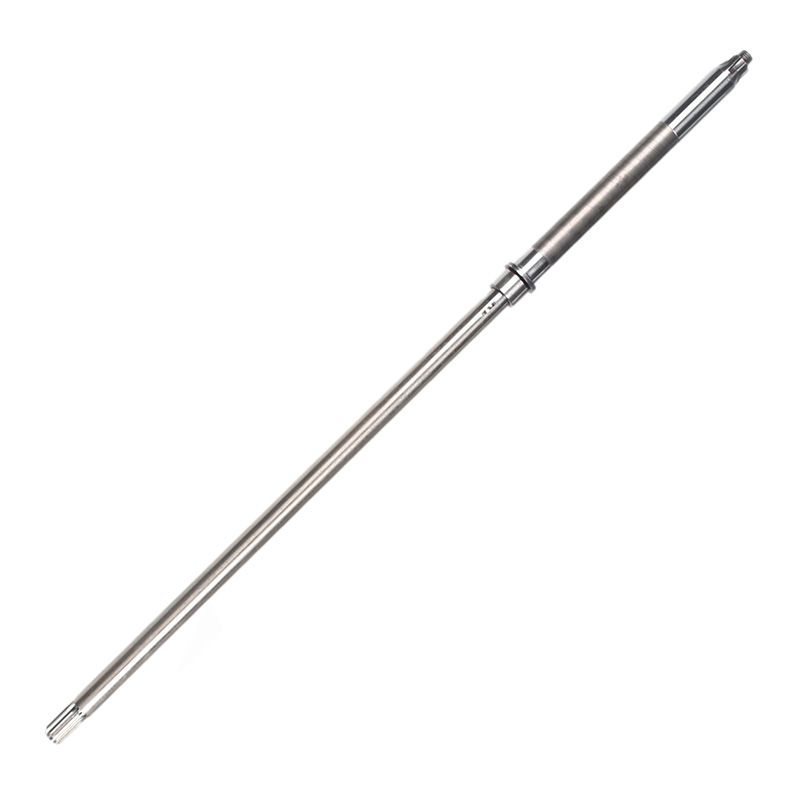
Q1: What is the most common material for propeller shafts in 2026?
A: High-strength Duplex Stainless Steel (like F51 or F53) is becoming the standard due to its superior corrosion resistance and weight-saving properties compared to traditional carbon steel.
Q2: How often should a propeller shaft be inspected in Spain?
A: Per most classification society rules, a "tailshaft survey" is typically required every 5 years, though predictive maintenance sensors can now provide real-time health data.
Q3: Can I replace a steel shaft with a composite shaft?
A: Yes, composite (carbon fiber) shafts are gaining traction in the yacht and naval sectors because they are lighter and non-conductive, though they come at a higher initial cost.
Q4: Who are the primary certification bodies in Spain for marine parts?
A: Bureau Veritas (BV) and DNV have a strong presence in Spanish shipyards and are the primary bodies for certifying propeller shaft integrity.
Q5: What is the lead time for a custom-manufactured propeller shaft?
A: Depending on the material and diameter, lead times in Europe currently range from 12 to 24 weeks. Strategic global partners can often reduce this through optimized supply chains.
Baliño S.A.U. - Marine Propulsion Systems
Vicinay Marine - Mooring and Propulsion Integrity
Wärtsilä Shaft Line Solutions & Environmental Standards
Alconza - Electric Propulsion and Shaft Generators
Teignbridge Propellers - Marine Shafting & Materials
Fortune Business Insights: Marine Propeller Market Forecast 2026-2034


