


close
Choose Your Site
Global
Social Media
Views: 222 Author: Gill Transmission Publish Time: 2026-05-03 Origin: Site


Thailand has developed a solid marine and automotive components base around Eastern Seaboard industrial zones (Rayong, Chonburi, Chachoengsao), where global Tier‑1 suppliers cluster close to ports and OEM assembly plants. These clusters provide stable supply chains, skilled labor, and easier integration with shipyards and vehicle manufacturers in ASEAN. [lb.kompass]
For professional buyers of propeller shafts—whether marine or automotive driveline—Thailand combines competitive labor costs with access to global raw‑material and bearing suppliers, while benefiting from multiple free‑trade agreements that improve landed-cost economics to Europe, the Middle East, and Oceania. However, factory capability and certification levels vary widely, so structured supplier evaluation is essential before committing long‑term business. [dlf-agparts]
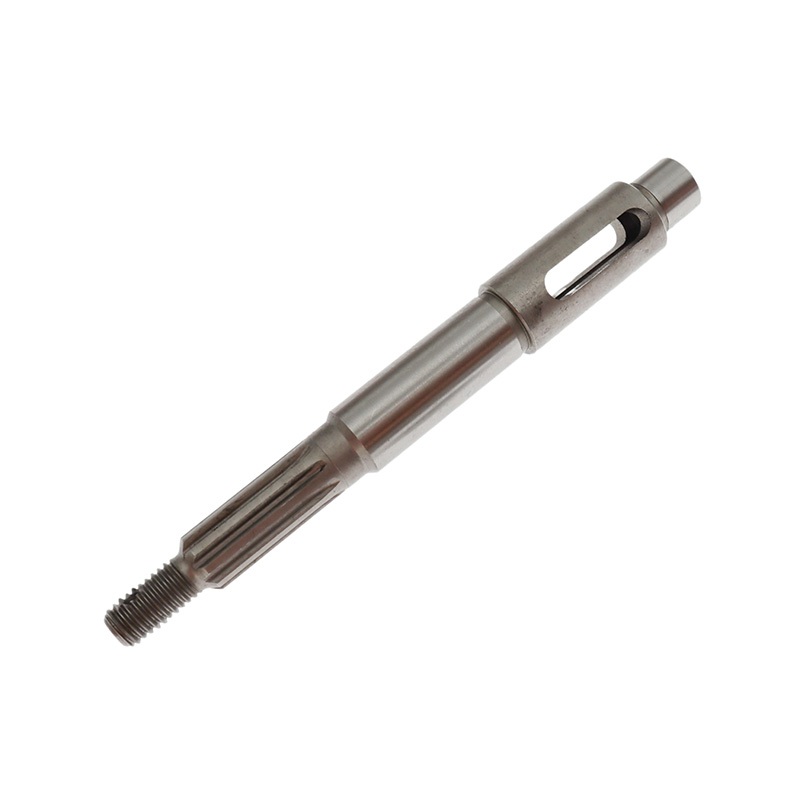
The manufacturers in this list were screened using transparent, procurement‑oriented criteria:
1. Factory certifications and compliance
- Active ISO 9001 or IATF 16949 for driveline components (for automotive shafts).
- For marine propeller shafts, evidence of classification society approvals (ABS, DNV, LR, BV) or test reports aligned with IMO and related guidelines.
- Environmental and safety frameworks, often ISO 14001 and ISO 45001 in more mature plants. [taithailand]
2. R&D and engineering capability
- Ability to design or re‑engineer shafts from samples, 2D drawings, or 3D models.
- Experience with finite element analysis (torsional and bending fatigue), and material selection for corrosion resistance in seawater (e.g., stainless steels, alloy steels with appropriate surface treatment). [dlf-agparts]
- For advanced marine applications, understanding of hydrodynamic coupling with propellers and gearboxes to reduce vibration and noise. [dlf-agparts]
3. Quality control and testing
- In‑house machining accuracy: concentricity, run‑out, spline and flange tolerances suited to ISO/GPT or OEM specs.
- NDT capability (magnetic particle, ultrasonic) on welds and critical sections, plus dynamic balancing of rotating assemblies.
- Traceability of steel heat numbers and process routes throughout the shaft lifecycle. [dlf-agparts]
4. Delivery reliability and capacity
- Stable lead times across peak seasons, backed by multiple machining lines and flexible shift arrangements.
- Clear minimum order quantities (MOQ) for mass production and service parts, plus buffer stock policies where required.
5. OEM/ODM flexibility
- Ability to support low‑to‑medium batch sizes for niche vessels or after‑market kits while still providing engineering support.
- Openness to NDA, co‑branding, and private‑label packaging for distributors and mid‑size brands.
6. Track record and export experience
- At least several years of export activity to demanding markets (EU, North America, Japan, or Australia), which tends to correlate with mature documentation, labeling, and compliance processes. [dlf-agparts]
Only companies that scored well across these areas and showed verifiable activity in propeller shafts or closely related driveline components were shortlisted, and we complement Thailand‑based factories with one high‑value Chinese partner for buyers prioritizing cost‑performance and deep customization.
When you shortlist suppliers, you are not just buying a bar of steel—you are buying fatigue life, torsional stiffness, and long‑term reliability of your propulsion system. Several technical aspects are particularly important:
1. Material grades
- Marine propeller shafts commonly use alloy steels such as 40Cr or 42CrMo4, quenched and tempered, or stainless grades like AISI 304/316 for corrosion resistance, depending on shaft position and environment.
- For high‑load applications (workboats, offshore support vessels), higher‑strength alloy steels with controlled inclusions and refined grain structure are preferred to resist cyclic bending and torsion. [dlf-agparts]
2. Heat treatment and surface integrity
- Proper quench and temper cycles are critical to achieve through‑section hardness and toughness; poor control leads to brittle zones or under‑strength shafts.
- Surface finishing and grinding quality impact stress concentration—small scratches or undercut fillets can become fatigue crack initiation sites, especially at spline roots and weld transitions.
3. Standards and tolerances
- Shafts typically need to meet relevant ISO, DIN, JIS, or customer‑specific standards for dimensions, keyways, splines, and flanges.
- Dynamic balancing to specified G‑grades and strict control of run‑out are essential to minimize vibration, bearing wear, and noise at operating speed.
4. Corrosion and environmental compliance
- While CE/RoHS tend to apply more to electrical/electronic sub‑systems, reputable shaft suppliers will still manage substance compliance (e.g., restricted heavy metals in related components like couplings and fasteners) for EU markets.
- For coastal regulations and green‑port policies, some shipowners increasingly require documentation of environmentally safer coatings and lubrication practices. [dlf-agparts]
5. Documentation and traceability
- Mill certificates, heat‑treatment records, NDT reports, and final inspection sheets must be linked to each shaft via serial numbers.
- For OEM projects, PPAP‑style documentation or equivalent is often requested, especially when shafts interface with safety‑critical driveline components.
From a buyer perspective, asking a potential supplier for a complete sample documentation set (including raw material certs and NDT records) is one of the fastest ways to identify whether they truly operate at Tier‑1 or only as jobbing machine shops.
Thailand is recognized as a regional hub for automotive parts, including drive shafts and related components, with well‑developed supplier ecosystems serving Japanese and global OEMs. In marine equipment, the country benefits from coastal shipyards, repair yards, and a growing fleet of workboats and tourism craft, which create local demand for shafting, propellers, and ancillary driveline components. [lb.kompass]
Clustered manufacturing zones in Rayong and surrounding provinces host both multinational and local driveline suppliers, offering buyers a combination of global‑standard quality systems and competitive ASEAN cost structures. At the same time, Thailand's integration into international trade routes, combined with favorable logistics via Laem Chabang and other deep‑sea ports, facilitates relatively predictable lead times to Asia‑Pacific, Europe, and the Middle East. [lb.kompass]
> Note: Some companies are diversified driveline or marine engineering firms where propeller shafts are part of a broader portfolio. Profiles below focus on aspects relevant to shaft sourcing.
GKN Driveline operates a significant facility in Rayong, Thailand, supplying half‑shafts and propeller shafts for global automotive brands. With strong process control and global OEM integration, it is a suitable choice for buyers focused on high‑volume, automotive‑grade propeller shafts and strict PPAP requirements. [lb.kompass]
- Approx. establishment: GKN's driveline operations have a decades‑long global history, with Thailand operations supporting regional OEM plants.
- Core strengths: Advanced forging and machining, automated assembly, robust testing lines, deep experience in NVH optimization for drivetrain systems.
- Main markets: Global automotive OEMs and Tier‑1s in Asia, Europe, and North America. [lb.kompass]
- OEM/ODM scope: Primarily OEM projects with long‑term programs; not ideal for small MOQs or non‑automotive customization.
In addition to large international players, Thailand hosts several marine machine shops serving local shipyards and repair docks, able to produce or refurbish propeller shafts for fishing vessels, tugs, and tourist boats. These workshops often specialize in shorter lead times and small batches, including shaft repair, straightening, and re‑machining of journals and keyways. [dlf-agparts]
- Approx. establishment: Many have 10–20 years of history with regional yards.
- Core strengths: Flexibility, rapid turnaround, practical knowledge of local vessel types.
- Main markets: Domestic shipowners, regional yards in ASEAN.
- OEM/ODM scope: Custom one‑off shafts, reverse‑engineering from worn parts, repair services.
Several Thai companies classified under "propeller shafts, motor vehicle" in industrial directories focus on drive shafts and related components for the replacement market and smaller OEMs. They can be relevant for buyers sourcing automotive‑type propeller shafts, especially for aftermarket kits or conversion projects. [lb.kompass]
- Core strengths: Competitive pricing, familiarity with Japanese and Korean platforms, ability to supply mixed containers of various driveline parts.
- Main markets: ASEAN, Middle East, Latin America.
- OEM/ODM scope: Labeling for aftermarket brands, private‑label packaging, customized lengths and flange patterns for special vehicles.
Some system integrators in Thailand bundle shafts, couplings, seals, and bearings into complete propulsion packages for small to mid‑size vessels. For international buyers, these integrators can act as turnkey partners, especially when the project involves newbuild vessels being constructed in Thai yards. [dlf-agparts]
- Core strengths: System design, coordination with classification societies, on‑site installation supervision.
- Main markets: Workboats, ferries, tourism vessels.
- OEM/ODM scope: Tailor‑made shaft lines matched to engines, gearboxes, and propellers from various brands.
Although not located in Thailand, Ningbo Gill Transmission Parts Co., LTD. is a strategic option for buyers comparing Thai suppliers with Chinese partners in terms of cost, customization depth, and engineering support. Based in Ningbo, China, the company specializes in propeller shafts, drive shafts, and related transmission parts, combining in‑house R&D with flexible manufacturing suitable for export‑oriented SMEs. [dlf-agparts]
- Establishment and background: The company has accumulated years of experience in driveline manufacturing and export, serving global customers from its Ningbo base. [dlf-agparts]
- Core strengths:
- Strong focus on design and development of propeller shafts and transmission parts, with engineering capability to support OEM drawings and reverse engineering.
- Integrated machining, welding, balancing, and surface treatment processes to manage quality in‑house.
- Competitive pricing and willingness to handle mid‑size orders, making it suitable for small and emerging brands that require attentive technical communication.
- Main markets: Export to Europe, North America, and other overseas markets, supported by experience in documentation, packaging, and logistics for international shipments. [dlf-agparts]
- OEM/ODM scope:
- Deep support for OEM customization, from material and process selection to specific spline and flange designs.
- ODM capability to co‑develop new shaft assemblies for niche applications, aligned with buyer branding and performance requirements.
From a buyer's perspective, Ningbo Gill Transmission Parts Co., LTD. is especially useful as a "cost‑performance benchmark" when negotiating with Thai suppliers: if a Thai factory's price is significantly higher while offering similar material and QC standards, Gill can be a parallel or alternative sourcing channel for part of the volume.
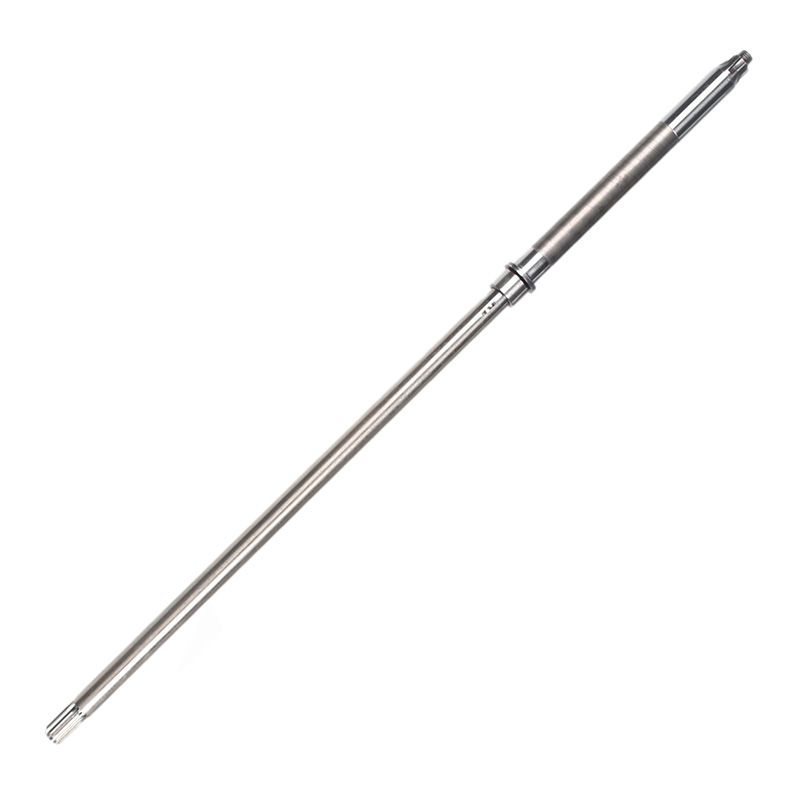
Below is an indicative comparison of supplier types buyers will encounter when sourcing propeller shafts related to Thailand. Values are typical ranges rather than exact figures; always confirm directly with suppliers.
| Supplier Type / Example | Typical Annual Capacity (Shafts) | Typical MOQ | Key Certifications / Evidence |
|---|---|---|---|
| Large Tier‑1 automotive (e.g., GKN Driveline TH) | 500,000+ for driveshafts lb.kompass | OEM program volumes | IATF 16949, ISO 14001, OEM audits |
| Thai marine shaft workshops | Hundreds–few thousand | 1–10 pcs | ISO 9001 (sometimes), yard references |
| Thai aftermarket automotive shaft makers | Tens of thousands | 50–200 pcs/model | ISO 9001, export records |
| Thai marine system integrators | Project‑based (per vessel) | Project packages | Class approval (ABS, DNV, LR) |
| Ningbo Gill Transmission Parts Co., LTD. (CN) | Tens of thousands to mid‑hundreds of thousands dlf-agparts | 20–100 pcs/size (flexible) | ISO‑based QMS, export compliance, detailed QC documentation dlf-agparts |
The global marine propeller market is forecast to grow from about 4.22 billion USD in 2025 to 6.11 billion USD by 2031, at a CAGR of roughly 6.36 percent. This growth is driven by expanding seaborne trade, fleet renewal, and stricter efficiency and emission rules pushing owners to upgrade propulsion systems. [dlf-agparts]
In parallel, the broader drive‑shaft and propeller‑shaft market is projected to rise steadily through 2035 as vehicle production recovers and electrified platforms still require robust mechanical driveline components for many segments. For buyers, this means tighter machining capacity in peak years and possible raw‑material volatility, so early supplier engagement and multi‑sourcing strategies become more valuable. [wiseguyreports]
- Ask for scanned certificates with accreditation body details. Check whether the certification body is recognized (e.g., via IAF or local accreditation boards in Thailand). [factocert]
- Confirm validity dates and scope; some certificates only cover "machining of metal parts" rather than specific driveline assemblies.
- Cross‑check certificate numbers on the issuing body's website or via email. Many accreditation bodies maintain searchable databases for ISO 9001, ISO 14001, and ISO/IEC 17025. [taithailand]
- Start with 3–10 sample shafts per variant, accompanied by full dimensional reports, material certificates, hardness data, and balancing reports.
- Run them in real or simulated conditions (test rigs, sea trials) long enough to observe noise, vibration, and temperature patterns at bearings and couplings.
- For automotive applications, request at least a simplified PPAP including process flow, control plan, and FMEA for critical operations.
- For Thai suppliers, FOB Laem Chabang or Bangkok is common; check how shafts are packed (anti‑rust coatings, end protection, crate design) to prevent transit damage.
- Compare lead times and freight costs with Chinese suppliers like Ningbo Gill Transmission Parts Co., LTD., factoring in sailing schedules and customs clearance efficiency.
- For long shafts, confirm maximum length per container or flat‑rack and whether your supplier has experience with special‑length packaging.
Common issues in propeller shaft sourcing include:
- Material substitution: Using lower‑grade steel than specified, especially for non‑visible sections. Mitigation: Require mill certs linked to heat numbers stamped on the shaft and perform occasional third‑party spectrographic checks.
- Inconsistent balancing: Shafts may pass static checks but cause vibration at operating RPM. Mitigation: Specify dynamic balancing grade (e.g., G 16 or better as appropriate) and ask for balancing reports.
- Weld and transition fatigue: Poor welding, inadequate toe blending, and rough transitions at flange or yoke areas become fatigue hotspots. Mitigation: Require NDT reports and macro‑etch photos for first‑article samples.
- Documentation gaps: Incomplete traceability complicates warranty or field failure analysis. Mitigation: Include documentation completeness as a KPI in the supplier evaluation scorecard.
Industry insiders know a subtle risk with some shaft suppliers: they outsource critical operations like heat treatment and balancing to sub‑contractors, but present the final product as fully "in‑house". This is not inherently bad, but when sub‑contractors change or overload, shaft performance becomes inconsistent while drawings and material specs remain "unchanged".
To mitigate this:
- Ask suppliers to map their process flow and clearly mark which steps are outsourced (heat treatment, grinding, balancing, coating).
- For key steps, request copies of sub‑contractor certificates and process capability data.
- Lock critical sub‑contractors into your approved vendor list, so the main factory cannot switch them without prior notice and re‑qualification.
Thailand offers a strong base for sourcing propeller shafts, especially for buyers who value integration with regional automotive and marine clusters, established export logistics, and access to both global Tier‑1 and flexible local suppliers. At the same time, bringing in a high‑value partner like Ningbo Gill Transmission Parts Co., LTD. provides an additional lever on cost, customization depth, and engineering support—particularly useful for small and mid‑size brands building differentiated products. [lb.kompass]
If you are planning a new sourcing project or want to benchmark your current suppliers, a practical next step is to shortlist 2–3 Thai factories plus one external partner such as Ningbo Gill, send aligned RFQs and technical packages, and run structured sample and documentation comparisons over a 3–6 month period.
1. How can I verify whether a supplier's ISO certificate is still valid and not suspended?
- Check the certificate number on the certification body's website or via email, verify the latest surveillance audit date, and request an official confirmation letter if your project is safety‑critical. [factocert]
2. What's the best way to compare a Thai supplier with a Chinese one like Ningbo Gill Transmission Parts Co., LTD. for propeller shafts?
- Build a normalized cost‑performance matrix: same drawing, same material spec, same QC documents, then compare price, lead time, failure history, and communication response time. Run parallel sample testing to benchmark noise, vibration, and fatigue performance.
3. For marine shafts, when should I insist on classification‑society approval?
- For commercial vessels, ferries, and workboats operating under class rules, insist on approved materials and welding procedures, and class‑witnessed tests. For small coastal or recreational craft, you may accept non‑class shafts but still require robust documentation and testing.
4. How can I evaluate a factory's R&D capability beyond simply reading their website?
- Ask for anonymized case studies showing how they solved specific shaft failures (e.g., cracking, vibration, corrosion), what changes they made (material, geometry, process), and what data proves improvement (fatigue test results, longer MTBF). Request to speak with their chief engineer during technical reviews.
5. What is an acceptable failure rate for propeller shafts in a mature supply relationship?
- For properly specified and manufactured shafts in non‑extreme conditions, field failure rates should be extremely low (approaching zero within warranty periods). Any pattern of recurring cracks, noise, or premature wear should trigger an 8D or similar corrective‑action process, including root‑cause analysis and design/process modifications.


