


close
Choose Your Site
Global
Social Media
Views: 262 Author: Gill Transmission Parts Publish Time: 2026-08-05 Origin: Site


Content Menu
● The Three Core Sections of an Outboard Motor
● Where the Power Is Generated
>> Fuel System
● The Connector and Control Hub
>> Propeller
>> Skeg and Anti-Cavitation Plate
>> Material Selection Determines Component Lifespan
>> A Practical Diagnostic Checklist for Boat Owners
>> Why OEM-Grade Tolerances Matter
● Routine Maintenance That Extends Engine Life
● Sourcing Reliable Outboard Motor Parts
Understanding what are the parts of an outboard motor is the first step toward smarter maintenance, faster troubleshooting, and longer engine life. Whether you operate a fishing skiff or manage a fleet of workboats, knowing your outboard's anatomy — from the powerhead to the propeller — helps you spot problems before they become costly repairs.
At Ningbo Gill Transmission Parts Co., LTD., we have spent 29 years engineering marine transmission components, and this guide draws on that manufacturing experience to give you a practical, technically grounded breakdown of every major outboard motor part.
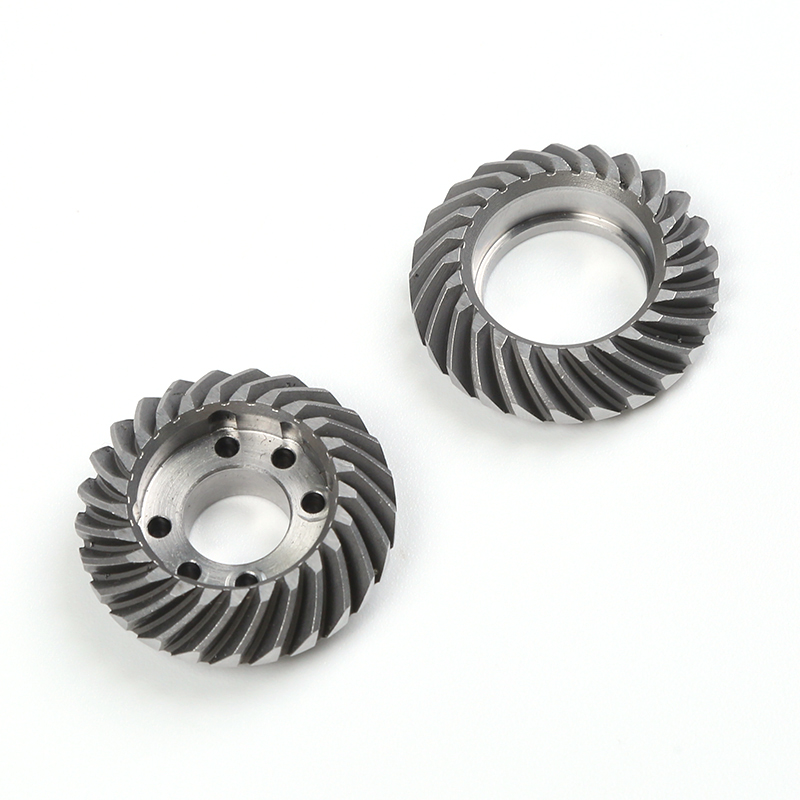
Every outboard motor, regardless of horsepower, is built around three primary sections that work together to convert fuel into forward thrust.
- Powerhead – sits above the waterline and houses the engine
- Midsection – connects the powerhead to the lower unit and manages exhaust and control functions
- Lower unit – transmits power to the propeller and handles propulsion
| Section | Location | Primary Role |
|---|---|---|
| Powerhead | Above water | Combustion, ignition, cooling, fuel delivery |
| Midsection | Mid-transom | Exhaust routing, steering, mounting |
| Lower unit | Below water | Gear transmission, propulsion, steering assistance |
The powerhead contains the systems responsible for actually running the engine, including ignition, lubrication, transmission, fuel, electrical, and cooling functions.
This system produces the spark that ignites the fuel-air mixture inside the cylinders. Key components include the spark plug, which ignites the mixture and wears out under repeated combustion stress, the camshaft, which opens and closes valves to control airflow, and the crankshaft, which converts the pistons' up-and-down motion into rotational power. Timing gears, belts, and tensioners keep the camshaft and crankshaft perfectly synchronized — even minor misalignment here can cause rough running or complete engine failure.
The oil filter removes contaminants from engine oil before it recirculates through the motor. A clogged filter accelerates wear on bearings, gears, and the crankshaft, so manufacturers recommend inspecting it at every scheduled service.
Inside the powerhead, gears, a clutch, and in some models a torque converter manage how power moves from the engine to the propeller. The dog clutch engages forward or reverse gears when the operator shifts, protecting the engine from sudden load changes.
The fuel system pulls fuel from the tank and delivers it to the combustion chamber. Its main parts are:
- Fuel tank and lines – store and transport fuel, including vent and supply lines
- Carburetor or fuel injectors – mix air and fuel for combustion
- Fuel pump – a diaphragm-type pump that draws fuel toward the engine
- Fuel pressure regulator – maintains consistent pressure to the injectors
- Engine control unit (ECU) – manages fuel injection and ignition timing electronically
Primary and secondary fuel filters sit between the tank and engine, removing large and fine contaminants respectively before fuel reaches the injectors.
The battery and starter motor provide the initial power to crank the engine, while the ignition coil, stator, and ignition control module manage spark generation once running. Color-coded wiring and fuses protect the circuit from overload.
Because combustion generates significant heat, outboard motors rely on water inlets, screens, hoses, and a thermostat to regulate temperature. The water pump, driven by an impeller, is the heart of this system — a cracked or worn impeller is one of the most common causes of overheating on the water.
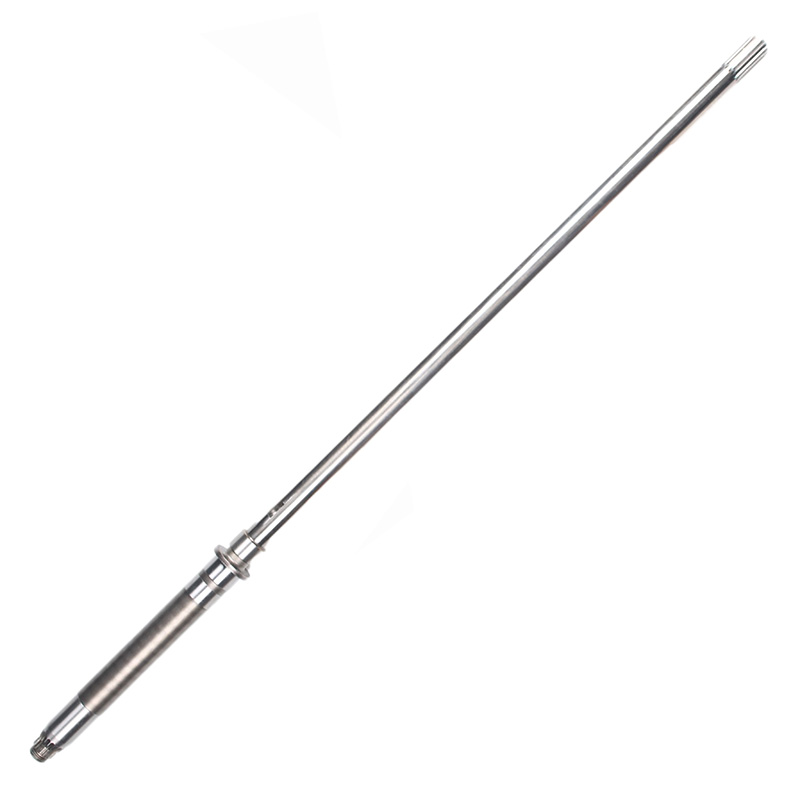
The midsection links the powerhead to the lower unit and houses several operational systems.
Exhaust manifolds, pipes, mufflers, and gaskets discharge combustion gases while reducing engine noise and heat buildup.
This includes the throttle, shift control, steering system (tiller, mechanical, or hydraulic), trim and tilt control, and the kill switch, a safety device that shuts down the motor if the operator leaves the helm.
Mounting brackets, mount bolts, and the transom pad secure the motor to the boat's hull, absorbing vibration during operation.
The lower unit converts rotational power into forward thrust and includes several precision-engineered components that manufacturers like Ningbo Gill specialize in producing.
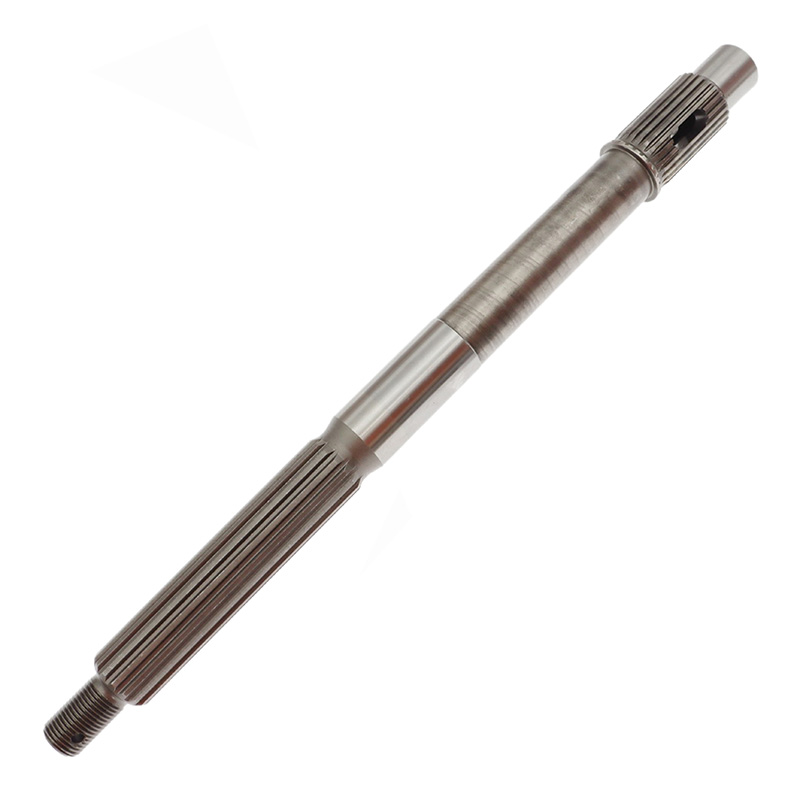
The driveshaft transfers power down from the powerhead, the propeller shaft connects to the propeller, and bearings support both shafts for smooth, low-friction rotation.
These components keep lubricating oil inside the gearcase while blocking water intrusion — a critical defense against saltwater corrosion.
The propeller converts engine power into thrust through its blades, hub, and diffuser ring. Blade pitch and diameter directly affect top speed, acceleration, and fuel efficiency, which is why selecting the correct propeller specification matters as much as engine horsepower.
The skeg is the fin-shaped extension below the propeller. It protects the prop from underwater debris, stabilizes steering, and acts as a rudimentary rudder. Just above it, the anti-cavitation plate prevents air from being drawn into the propeller, which would otherwise cause loss of thrust.
Not all replacement parts perform equally in marine environments. Stainless steel propeller shafts and bronze impellers consistently outlast standard aluminum or mild steel alternatives in saltwater conditions, reducing corrosion-related failures by extending service intervals significantly. When sourcing replacement gearbox components, prioritize suppliers who specify material grade and corrosion-resistance testing, not just fitment.
Before assuming an outboard needs a full teardown, work through this sequence:
1. Check spark plug condition and gap — fouled plugs cause hard starting
2. Inspect the water pump output stream for weak or hot flow, indicating impeller wear
3. Test fuel lines for cracks and confirm the primer bulb stays pliable
4. Examine the propeller for dings, bent blades, or fishing line wrapped around the shaft
5. Verify the sacrificial anode is intact, replacing it every 1-3 years depending on corrosion level
From 29 years of producing marine transmission parts, we consistently see premature gearbox failures traced back to out-of-tolerance bearings and seals rather than operator error. A driveshaft or gear set manufactured to tighter tolerances reduces vibration, lowers noise, and extends the interval between rebuilds — a detail that matters as much for OEM buyers and boatyards as for individual owners.
Regular care prevents most premature part failures. Flush the motor after every outing, especially in saltwater, and again every six weeks during storage to prevent corrosion buildup. Change the oil every 100 hours or once annually, whichever comes first, and inspect spark plugs and wiring at least once per season. Replacing the sacrificial anode on schedule and cleaning the carburetor regularly will also protect against the most common causes of mid-season breakdowns.
Whether you are maintaining a single recreational boat or managing procurement for a fleet, part quality directly determines reliability on the water. Ningbo Gill Transmission Parts Co., LTD. manufactures precision gearbox components, shafts, bearings, and transmission assemblies engineered specifically for marine environments. If you are sourcing OEM or replacement parts for outboard motors, contact our engineering team today to discuss specifications, material grades, and bulk pricing tailored to your application.
What are the three main sections of an outboard motor?
Every outboard motor is built from a powerhead (engine and combustion systems), a midsection (exhaust, control, and mounting systems), and a lower unit (gearbox, propeller, and skeg).
What is the bottom fin on an outboard motor called?
It is called the skeg. This fin-shaped extension protects the propeller, stabilizes the boat's ride, and assists with steering.
How often should I replace the sacrificial anode?
Most manufacturers recommend replacing it every 1 to 3 years, depending on the level of corrosion observed during inspection.
What causes an outboard motor to overheat?
A worn or cracked water pump impeller is the most common cause, since it reduces the flow of cooling water circulating through the engine block.
What is the difference between a two-stroke and four-stroke outboard motor?
Two-stroke engines complete combustion in two piston movements and are lighter and simpler, while four-stroke engines use four movements, offering better fuel efficiency and lower emissions.
Why does propeller material matter?
Aluminum propellers are lighter and more affordable, while stainless steel propellers resist damage better and generally deliver stronger performance over time.
1. Fawcett Boat Supplies, "The Parts of an Outboard Motor — Complete Breakdown Guide" — https://www.fawcettboat.com/blogs/articles/outboard-motor-parts-guide
2. Bay Manufacturing, "Parts Of The Outboard Motor" — https://baymfg.com/outboard-motor-part-names
3. Getmyboat, "Parts of an Outboard Motor – a Complete Breakdown" — https://www.getmyboat.com/journal/how-to/outboard-boat-engines/parts-of-an-outboard-motor-a-complete-breakdown/


