


close
Choose Your Site
Global
Social Media
Views: 262 Author: Gill Transmission Parts Publish Time: 2026-07-29 Origin: Site


Content Menu
● Why Proper Grease Selection Matters for Marine Prop Shafts
● Types of Grease Suitable for Boat Prop Shafts
>> 1. Marine-Grade Lithium Complex Grease
>> 2. Calcium Sulfonate Grease (Premium Marine Option)
● What Makes a Grease "Marine-Grade"?
● Step-by-Step: How to Apply Grease to a Boat Prop Shaft
>> Step 1: Remove the Propeller
>> Step 2: Clean the Shaft Thoroughly
>> Step 4: Apply Grease Evenly
>> Step 5: Reinstall the Propeller
● Maintenance Frequency: How Often Should You Grease?
● Advanced Insight: Matching Grease to Operating Conditions
>> Heavy Load or Commercial Use
● Real-World Case: Lubrication Impact on Shaft Longevity
● How to Choose the Right Supplier for Marine Shaft Components
● Key Takeaways for Boat Owners and Engineers
● FAQ
>> 1. Can I use regular automotive grease on a boat prop shaft?
>> 2. What is the best grease for saltwater applications?
>> 3. How much grease should I apply?
>> 4. Is synthetic grease worth the cost?
>> 5. How do I know if my prop shaft needs re-greasing?
Choosing the right grease for a boat prop shaft ensures smooth rotation, protects against seawater corrosion, and extends the life of critical drivetrain components. Not all greases perform equally in harsh marine environments, where saltwater, pressure, and temperature fluctuations accelerate wear.
From an engineering and field-service perspective, the best grease must deliver three essential properties:
- Water resistance to prevent washout in wet environments
- High load-bearing capacity to handle torque and rotation
- Corrosion protection against saltwater exposure
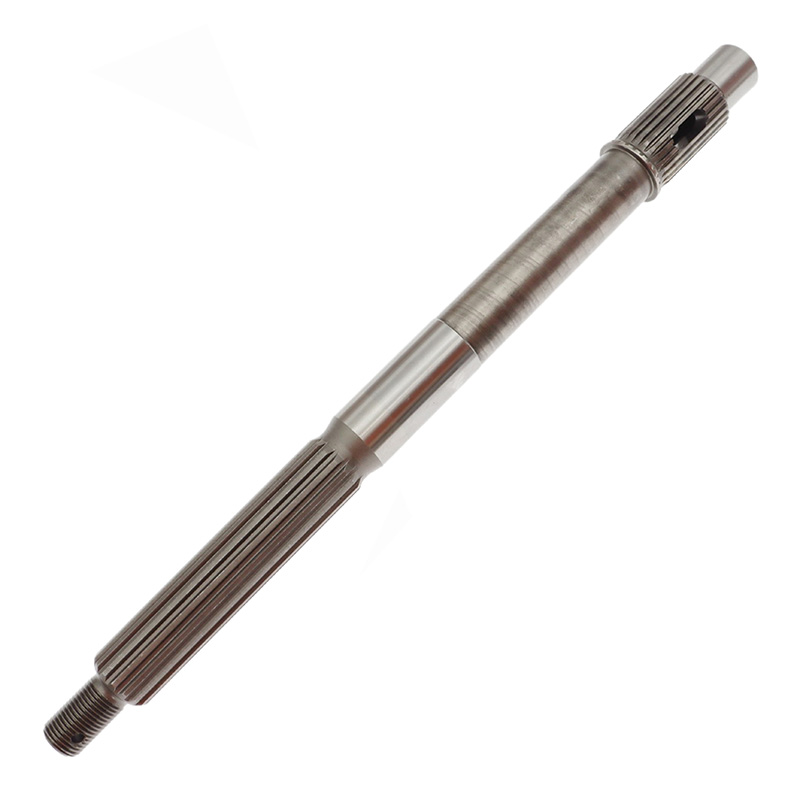
A propeller shaft operates under constant rotational stress while being exposed to moisture, contaminants, and varying loads. Without proper lubrication:
- Metal-to-metal contact increases friction and heat
- Saltwater accelerates oxidation and pitting
- Bearings and seals degrade prematurely
- Shaft misalignment risks increase over time
In real-world marine maintenance cases, improper grease selection has been linked to up to 40% shorter component lifespan in coastal vessels compared to properly lubricated systems.
This is one of the most commonly recommended options for boat prop shafts.
Key advantages:
- Excellent water resistance
- Strong mechanical stability
- Good temperature tolerance
Best for: General marine applications, recreational boats, and moderate-duty operations.
Widely regarded by industry professionals as a top-tier choice.
Key advantages:
- Superior corrosion protection
- Exceptional load-carrying capacity
- Outstanding water washout resistance
Best for: Saltwater environments, commercial vessels, and heavy-duty use.
Engineered for high performance under extreme conditions.
Key advantages:
- Extended service intervals
- Stable across wide temperature ranges
- Reduced friction and wear
Best for: High-speed vessels, performance boats, and precision-engineered systems.
Less common but useful in specific applications.
Key advantages:
- Good adhesion to metal surfaces
- Strong water resistance
- Moderate load performance
Best for: Light-duty marine systems and auxiliary shaft components.
Not all greases labeled for general use are suitable for marine prop shafts. A true marine-grade grease typically includes:
- Anti-corrosion additives to protect against saltwater
- Extreme pressure (EP) additives for high-load conditions
- Waterproofing agents to prevent emulsification
- Oxidation inhibitors for longer service life
Practical insight: In field inspections of marine drivetrains, grease failure often begins with water contamination. Once emulsified, lubrication properties drop sharply, leading to accelerated wear.
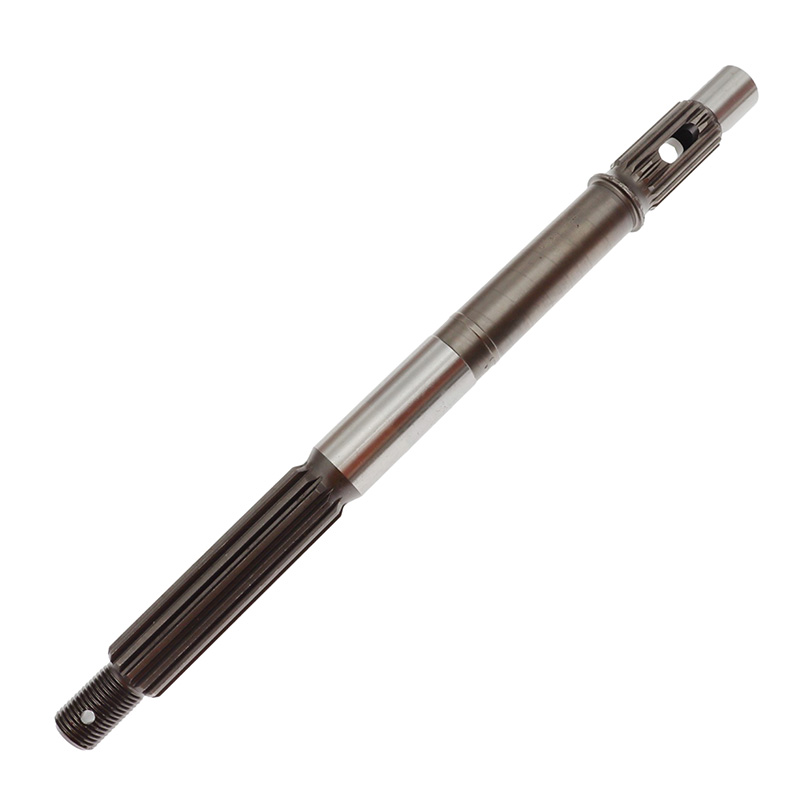
Proper application is just as important as grease selection.
Carefully detach the propeller using appropriate tools. Inspect for damage or debris.
Use a clean cloth and solvent to remove:
- Old grease
- Salt deposits
- Dirt or debris
Important: Residual contaminants can compromise new grease performance.
Check for:
- Wear or scoring on the shaft
- Damaged seals or bearings
- Corrosion spots
Replace any compromised parts before reassembly.
Coat the shaft with a thin, uniform layer of marine grease.
Avoid:
- Over-greasing (can attract debris)
- Uneven application (causes imbalance)
Secure properly and ensure alignment is correct.
Even experienced operators sometimes overlook critical details.
- Using automotive grease instead of marine-grade products
- Applying too much grease, leading to buildup
- Ignoring regular maintenance intervals
- Mixing incompatible grease types
- Skipping shaft cleaning before reapplication
Industry observation: Mixing lithium-based grease with calcium sulfonate grease can lead to inconsistent lubrication performance.
The correct interval depends on usage conditions:
- Recreational boats: Every 50–100 operating hours
- Saltwater use: More frequent inspections recommended
- Commercial vessels: Scheduled maintenance cycles (often monthly)
Rule of thumb: If the boat is frequently exposed to saltwater, increase inspection frequency by at least 30%.
Use synthetic grease with low friction and high thermal stability.
Choose calcium sulfonate grease for maximum pressure resistance.
Lithium complex grease is typically sufficient.
In a comparative maintenance study across small commercial fishing vessels:
- Vessels using standard lithium grease required shaft servicing every 6–8 months
- Vessels using calcium sulfonate grease extended maintenance cycles to 12+ months
- Corrosion-related failures dropped by over 35%
This highlights how grease selection directly affects operational cost and downtime.
Grease performance is closely tied to shaft design precision and material quality. A reliable supplier ensures:
- Accurate shaft tolerances
- High-quality alloy materials
- Compatibility with marine lubrication systems
- Long-term durability under stress
With 29 years of expertise, Ningbo Gill Transmission Parts Co., LTD. specializes in propeller shafts and marine drivetrain components engineered for durability and optimal lubrication performance.
- Always use marine-grade grease specifically designed for water exposure
- Match grease type to operating conditions and load requirements
- Follow a consistent maintenance schedule
- Avoid mixing grease types
- Prioritize component quality alongside lubrication
No. Automotive grease lacks the water resistance and corrosion protection needed for marine environments.
Calcium sulfonate grease is widely considered the best due to its superior corrosion resistance and load capacity.
Apply a thin, even layer. Excess grease can attract debris and reduce efficiency.
Yes, especially for high-performance or frequently used boats. It offers longer service intervals and better thermal stability.
Signs include unusual noise, increased vibration, or visible corrosion during inspection.
1. https://www.machinerylubrication.com/Read/31825/marine-grease-selection
2. https://www.nlgi.org/resources/grease-guide/
3. https://www.skf.com/group/products/lubrication-management
4. https://www.marineinsight.com/tech/importance-of-marine-lubrication/
5. https://www.engineeringtoolbox.com/grease-selection-d_1900.html


