


close
Choose Your Site
Global
Social Media
Views: 268 Author: Gill Transmission Parts Publish Time: 2026-11-15 Origin: Site


Content Menu
● Outboard Rebuild Parts List: What Gets Replaced and What Gets Inspected?
● Powerhead Rebuild: Pistons, Rings, Bearings, and Gaskets
>> Piston Rings, Pistons, and Cylinder Bores
>> Crankshaft, Connecting Rods, and Bearings
>> Gaskets, Seals, and Four-Stroke Valvetrain Parts
● Lower Unit Rebuild: Outboard Gears, Clutch Dog, and Shaft Seals
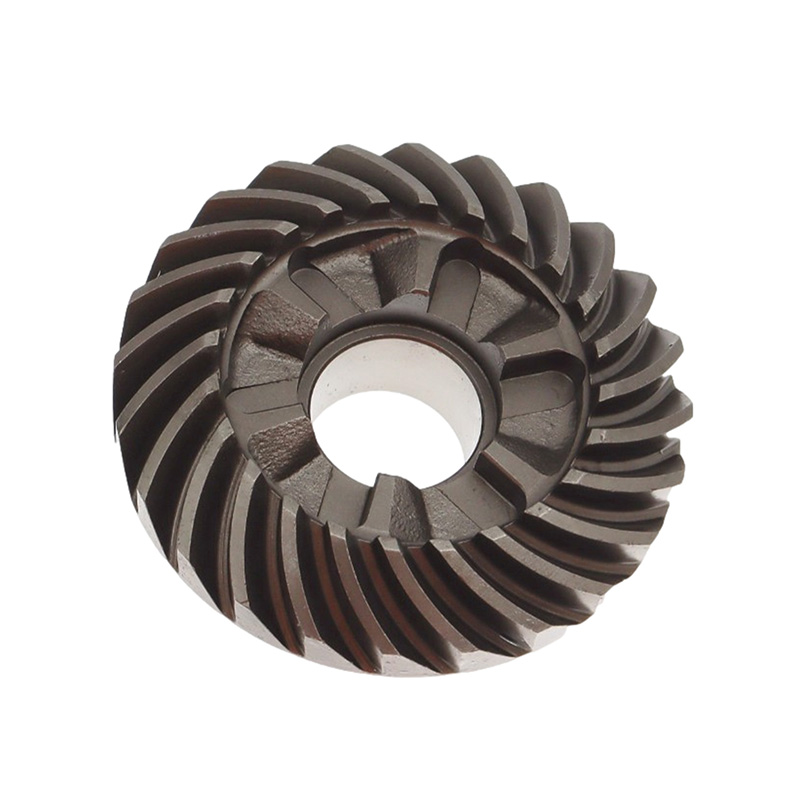
>> When to Replace Forward, Reverse, and Pinion Gears
>> When to Replace the Clutch Dog, Bearings, and Shafts
>> Which Seals and Fluids Are Normally Replaced?
● Diagnostic Example: Milky Gear Oil After a Propeller Strike
● What to Confirm Before Ordering Outboard Rebuild Parts
● Specify the Right Parts for Your Next Outboard Rebuild
● FAQs
>> Does an outboard rebuild always include new pistons?
>> Is a lower unit seal kit the same as a rebuild kit?
>> Can I replace just one damaged outboard gear?
>> Does low compression mean the outboard needs a full rebuild?
>> Should the water pump impeller be replaced during a lower unit rebuild?
>> What should a shop provide after the rebuild?
What parts are replaced in an outboard rebuild depends on whether the job covers the powerhead, the lower unit, or both. A powerhead rebuild typically includes new piston rings, opened gaskets, applicable seals, and hardware the manufacturer specifies as single-use. Pistons, bearings, connecting rods, and crankshafts are replaced according to the condition of the parts, measured wear, and the service manual. A lower unit rebuild typically renews disturbed seals and O-rings, while gears, shafts, bearings, and shift components are replaced when inspection shows damage, wear beyond limits, or a manufacturer requirement to replace them together.
The key distinction is that a rebuild is not a fixed shopping list. A complete job replaces what cannot be reused, measures what can, and verifies the result before the motor goes back into service.
| Rebuild scope | Parts commonly renewed | Parts replaced based on inspection or service manual requirements |
|---|---|---|
| Powerhead rebuild | Piston rings, disturbed gaskets and seals, specified single-use clips and fasteners | Pistons, pins, bearings, connecting rods, crankshaft, cylinder block, and four-stroke valvetrain components |
| Lower unit rebuild | Disturbed shaft seals, O-rings, plug sealing washers, and gear lubricant | Forward gear, reverse gear, pinion, clutch dog, bearings, shafts, bearing carrier, and gearcase housing |
| Water pump service | Impeller and the gaskets or seals specified in the service kit | Wear plate, pump cup, housing, and other components not already included in the kit |
| Combined rebuild | Applicable parts from both rebuild scopes | Additional cooling, fuel, or ignition components only when diagnosis or the agreed scope calls for them |
A water pump service may be done while the lower unit is off, but it does not mean the gearbox was rebuilt. Likewise, a replacement powerhead does not tell you anything about the condition of the gears. Ask for the exact scope when comparing quotes or buying an outboard advertised as rebuilt.
The powerhead is the engine assembly above the midsection. If the motor has low compression, cylinder scoring, or internal knocking, the powerhead may need attention. Those symptoms help direct the diagnosis, but they do not tell you on their own which parts to order.
New rings are common in a powerhead rebuild, but rings alone cannot correct a cylinder that is too worn, tapered, or out of round. A technician measures the bore and inspects its surface before deciding whether it can be reused, refinished, or repaired. The technician also checks piston-to-cylinder clearance and ring end gap against the model-specific limits.
A scored piston, damaged ring groove, or worn skirt can make piston replacement necessary even if the cylinder is recoverable. Where the manufacturer permits machining and supports an oversize piston, the finished bore determines the piston size. Other cylinder designs call for a different repair method. Confirm that decision before ordering a standard-size or oversize kit.
Inspect the crankshaft journals, connecting rods, and bearings for scoring, pitting, roughness, overheating, or excessive clearance. A new bearing is not a remedy for a damaged journal. Conversely, a serviceable crankshaft need not be discarded just because other parts in the powerhead failed.
Bearing designs differ. A two-stroke may use needle or roller bearings in locations where a four-stroke uses bearing shells. On designs that require selective-fit bearings, the correct grade matters as much as the nominal size. Follow the parts catalog and service manual rather than relying on the contents of a generic kit.
Renew the opened gaskets and any seals or hardware the manufacturer says not to reuse. Depending on the engine, that can include a head gasket, crankshaft seals, valve stem seals, piston pin clips, or specific fasteners. Not every powerhead uses the same sealing design.
On a four-stroke, inspect the valves, seats, guides, camshaft, and applicable timing components when the work reaches those systems. A cylinder head may need work even if the pistons are reusable. On a two-stroke, check the applicable reed and crankcase sealing components if the symptoms or teardown findings point there.
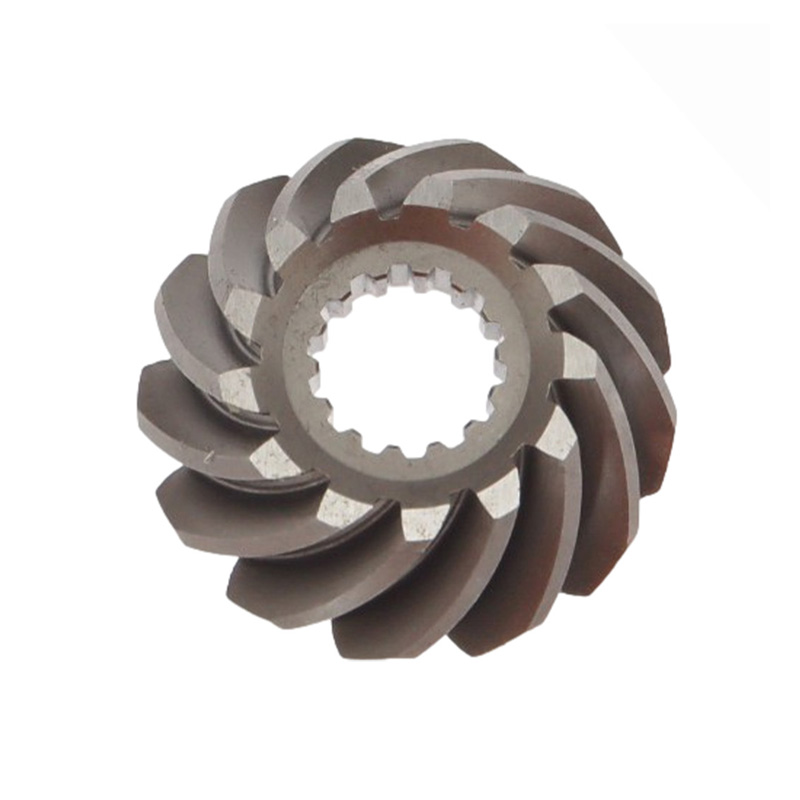
The lower unit houses the gearcase. In a typical mechanical-shift design, the driveshaft turns the pinion, which meshes with the forward and reverse gears. The clutch dog locks the selected gear to the propeller shaft to transmit torque. Because these parts work together, replacing a single damaged component without inspecting its mating surfaces can leave the original problem unresolved.
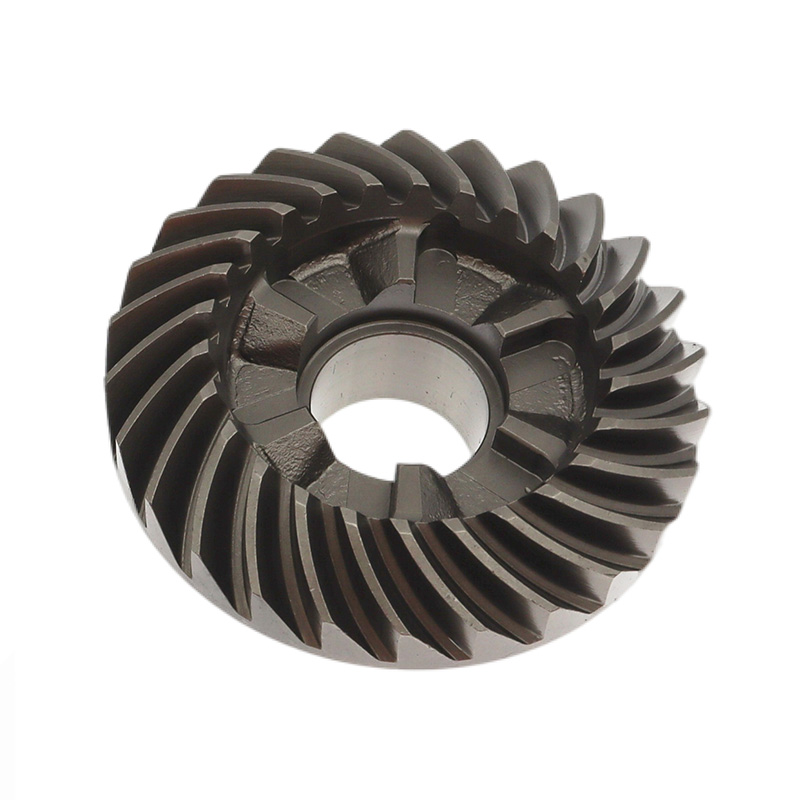
Inspect gear teeth for chips, pitting, scoring, and abnormal contact. If one gear is damaged, examine its mating gear or gears, the supporting bearings, and the lubricant for signs that debris travelled through the housing. A damaged gear is a reason to widen the inspection, not automatically a reason to order every gear in the case.
Check whether the parts catalog supplies the components individually or specifies a gear set. Correct fitment involves more than tooth count: confirm the model and serial range, gear ratio, rotation where relevant, and current part numbers. If the service procedure calls for shimming, verify the specified gear position, clearance, or preload rather than assuming the old shims are correct with new parts.
If the motor jumps out of gear under load, check the shift linkage and adjustment before blaming the gearset. If teardown reveals rounded clutch dog engagement faces, inspect the corresponding engagement surfaces on the gear. Installing a new dog against a damaged gear can leave the underlying engagement problem in place.
Inspect bearings for roughness, pitting, or play outside the specified limit. Check shafts for bends after a propeller strike and examine the surfaces where the seal lips run. A new seal may still leak if it runs on a grooved shaft. Inspect the carrier and housing as well, especially where they locate bearings or provide sealing surfaces.
A gearcase teardown commonly calls for new propeller shaft, driveshaft, or shift shaft seals where disturbed, plus the applicable carrier O-rings and plug washers. Install the specified gear lubricant after the required checks. Have the rebuilder document the pressure test and, where specified, the vacuum test. Use the procedure and limits for the exact unit rather than a generic test value.
Consider an outboard that hits a submerged object. At the next service, the drained gear oil looks milky. That suggests water contamination, but it does not identify where the water entered or whether the gear teeth were damaged.
1. Record the findings. Note the impact, the oil appearance, and whether the drained oil contains metal fragments. Inspect the propeller, housing, and visible shaft area.
2. Find the leak and check for impact damage. Leak-test the gearcase as specified and measure propeller shaft runout, the amount the shaft deviates from true rotation. Check the shaft's seal-running surface as well.
3. Quote the repair indicated by the findings. If the shaft is true, the gears and bearings are serviceable, and the leak is isolated to a serviceable sealing point, a reseal may be enough. A bent shaft, tooth damage, or rough bearings changes the scope.
This example shows why the same symptom can lead to two very different parts lists. It also gives owners a useful question to ask: What finding supports each major part on the quote?
For a repair shop, distributor, or fleet buyer, the most useful purchase order starts with the exact assembly, not just engine horsepower. Two outboards with the same horsepower are not necessarily fitted with interchangeable gears. If the lower unit was previously replaced, identify the installed assembly as well as the engine.
- Record the engine make, model code, serial number, and any identification available on the installed gearcase.
- Confirm the original equipment manufacturer (OEM) reference numbers and any superseding numbers in the relevant catalog.
- Verify the gear ratio, rotation where applicable, and whether the pinion and driven gears must be ordered together.
- Ask what the kit includes. A gear set may not include the clutch dog, bearings, seals, shims, or hardware.
- Keep a record of the measurements and inspection findings that justify replacing or reusing expensive components.
For repeat purchasing, save the approved part numbers and matching assembly identifiers together. That record is more useful than a shelf label such as "115 hp gear set" when you revisit the order months later.
If you are sourcing replacement outboard gears for a repair, distribution program, or recurring order, send Ningbo Gill Transmission Parts Co., LTD. the engine model, serial number, installed gearcase identification, and OEM reference numbers. Include the gear ratio, rotation where applicable, and photos or drawings of the original parts if available. Ask for a line-by-line confirmation of which gears are supplied, which must be ordered together, and which companion components are outside the quote.
No. Pistons can be reused when their condition and measured clearances meet the service requirements. Replace them if they are damaged, outside limits, or incompatible with the final bore size after an approved repair.
No. A seal kit addresses sealing components, and its exact contents vary. A gearcase rebuild can also require bearings, gears, a clutch dog, or shafts. Review the itemized kit contents rather than relying on its name.
Sometimes. The parts catalog must allow individual replacement, and the mating parts must pass inspection. If the manufacturer specifies a set, or if the mating gear is also damaged, replace the applicable set and verify the setup.
Not necessarily. Low compression is a diagnostic finding, not a parts list. Depending on the engine design, further testing and inspection can help distinguish a valve sealing problem from piston, ring, or cylinder damage.
It is worth considering while the lower unit is removed, especially if the impeller's service history is unknown or replacement is due. Check the model's maintenance schedule and inspect the pump housing and wear surfaces before deciding whether to order the impeller alone or a larger kit.
Ask for an itemized parts list, an explanation of what caused the failure or what remains uncertain, and the relevant measurement or test results. For a gearcase, ask whether the specified leak and shift checks passed. For a powerhead, request the applicable break-in and follow-up service instructions.
- Yamaha Outboards, [Maintenance Matters] — manufacturer guidance on scheduled maintenance, water pump service, and gear lubricant. [yamahaoutboards]
- Yamaha Outboards, [Owner's Manuals] — model-specific owner documentation and guidance on locating the engine's Primary ID. [yamahaoutboards]
- Yamaha service literature, [Power Head Overhaul: Inspection and Repair, 1987, publication LIT-18616-00-04], hosted by Crowley Marine — model-specific examples of piston, cylinder, and ring inspection. [crowleymarine]
- Mercury, [Outboard Gearcase Service Material], archived copy — gearcase bearing inspection, sealing, and pressure-test procedures. [s6ca5bb3203b5f73d.jimcontent]
- Buckshot Racing, [How to Vacuum vs. Pressure Test a Lower Unit or Gearcase] — supplemental explanation of the distinction between inward and outward leakage checks; use manufacturer limits for the specific model. [buckshotracing77]


