


close
Choose Your Site
Global
Social Media
Views: 261 Author: Gill Transmission Parts Publish Time: 2026-08-17 Origin: Site


Content Menu
● Quick Answer: Jon Boat Shaft Size Chart
● What Does "Shaft Size" Mean on a Jon Boat?
● How to Measure Jon Boat Transom Height
>> Step-by-Step Measurement Method
● 15-Inch Short Shaft: The Typical Jon Boat Choice
● When a 20-Inch Long Shaft Is Better
● Signs Your Outboard Shaft Is Too Short
● Signs Your Outboard Shaft Is Too Long
● Anti-Ventilation Plate Position: A Useful Final Check
● Shaft Length Is Not the Same as Propeller Shaft Design
● Common Jon Boat Shaft-Length Mistakes
>> Measuring Along the Transom
>> Assuming All "Short Shafts" Match Perfectly
>> Treating Ventilation as a Normal Condition
● Before You Buy: A Five-Point Checklist
● Need Marine Drivetrain Support?
● FAQ
>> What size shaft does a 14-foot jon boat need?
>> Can I use a 20-inch long-shaft motor on a 15-inch jon boat?
>> What happens if an outboard shaft is too short?
>> How do I tell whether my jon boat has a 15-inch or 20-inch transom?
>> Is the anti-ventilation plate supposed to be underwater?
>> Does the motor horsepower determine shaft length?
>> Can a jack plate fix the wrong shaft length?
Choosing the right shaft size for a jon boat is not about the boat's overall length. It is about matching the outboard motor's shaft length to the boat's measured transom height.
For most small jon boats, a 15-inch short-shaft outboard is the common fit. However, many modified, semi-V, utility, and higher-transom jon boats require a 20-inch long-shaft outboard instead. Measuring your transom before purchasing an engine is the only reliable way to choose correctly.
A shaft that is too short can ventilate, lose thrust, and over-rev. A shaft that is too long can create drag, reduce efficiency, and make shallow-water operation more difficult.
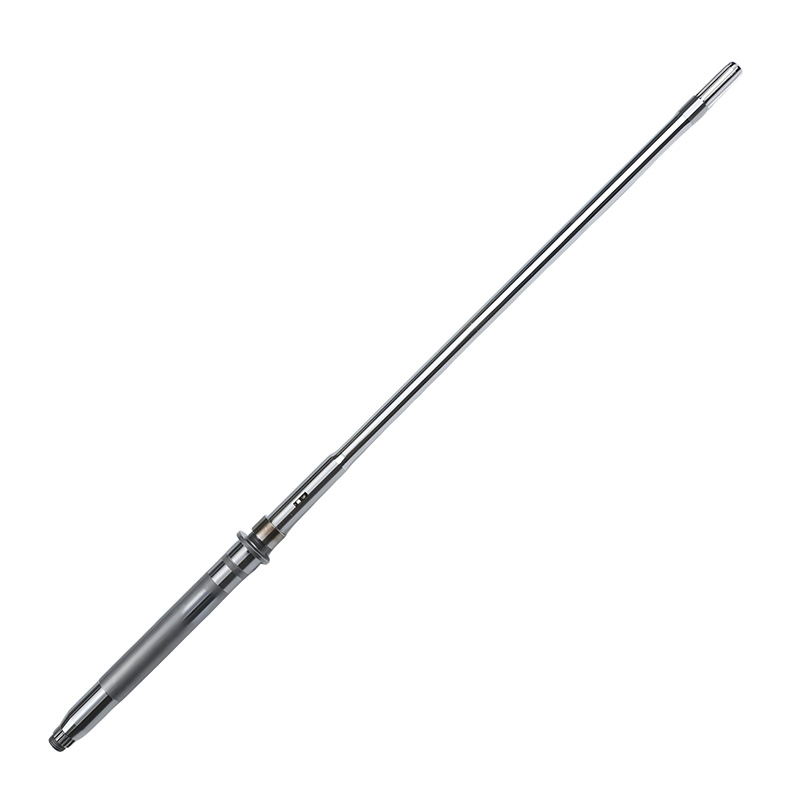
Use this chart as a starting point, then confirm by measuring your own boat.
| Measured transom height | Typical outboard shaft size | Common application |
|---|---|---|
| 14–17 inches | 15-inch short shaft | Small flat-bottom jon boats, tenders, utility boats |
| 18–22 inches | 20-inch long shaft | Higher-transom jon boats, modified-V aluminum boats |
| 23–27 inches | 25-inch extra-long shaft | Specialty hulls, remote-area utility craft, raised transoms |
| 28–31 inches | 30-inch ultra-long shaft | Uncommon on jon boats; usually custom or commercial installations |
Most traditional jon boats with a 15-inch transom need a 15-inch short-shaft motor. If your transom measures close to 20 inches, choose a 20-inch long shaft rather than trying to compensate with a mounting block or altered engine position.
Standard outboard shaft categories are commonly 15, 20, and 25 inches, measured from the outboard mounting area to the anti-ventilation plate above the propeller.
When boat owners ask, "What size shaft for a jon boat?" they usually mean the outboard motor shaft length.
This is not the same as a propeller shaft used in an inboard propulsion system. For an outboard engine, shaft length refers to the vertical distance from the motor's transom-mounting bracket to the anti-ventilation plate above the propeller.
The anti-ventilation plate should normally sit close to the bottom line of the hull when the engine is mounted in its intended position. This relationship helps the propeller receive a clean, stable flow of water.
A properly matched setup supports:
- Reliable propeller bite during acceleration.
- More consistent steering in turns and choppy water.
- Lower risk of ventilation, where air reaches the propeller and reduces thrust.
- Better operating efficiency at normal cruising speed.
- Reduced mechanical stress on the lower unit, mounting bracket, and transom.
From a marine drivetrain perspective, fitment matters because propulsion components operate as one system. The engine, mounting height, propeller, transom, and hull geometry all affect how efficiently power becomes forward movement.
Do not estimate the transom height from a product photo, model name, or a friend's boat. Aluminum jon boats can look very similar while using different transom configurations.
Measure the boat on level ground, preferably while it is resting securely on a trailer or stable support.
- Tape measure.
- Straightedge or carpenter's square, if the hull shape makes the lower reference point difficult to see.
- Notebook or phone for recording the measurement.
- A second person, especially for larger boats or raised motor wells.
1. Find the engine mounting point.
Locate the top edge of the transom where the outboard clamp bracket or mounting bolts will rest.
2. Locate the hull's lowest center point.
At the stern, find the bottom centerline of the hull. On a flat-bottom jon boat, this is typically the lowest point of the transom bottom.
3. Measure vertically downward.
Run the tape straight down from the top of the transom to the bottom of the hull. Do not follow the angled surface of the transom.
4. Record the actual measurement.
Measure in inches. If the result falls between standard sizes, inspect the manufacturer's capacity label and consult the outboard manufacturer or a qualified marine technician before buying.
5. Account for modifications.
A jack plate, raised transom, aftermarket motor mount, tunnel hull, or motor well can change the effective mounting height.
The correct reference is a straight vertical measurement from the outboard mounting surface to the hull bottom—not a diagonal measurement along the transom.
A 15-inch short-shaft outboard is often the right choice for a traditional small jon boat with a low transom.
This configuration is widely found on flat-bottom aluminum boats used for freshwater fishing, hunting, pond work, property maintenance, and short-distance utility travel.
A short shaft is usually appropriate when:
- Your transom measures approximately 15 inches.
- The boat has a low, flat stern.
- The outboard mounting surface has not been raised.
- You operate primarily in protected freshwater.
- You need a compact setup for shallow-water access.
For a typical 14-foot jon boat with an actual 15-inch transom, a 15-inch outboard shaft generally positions the anti-ventilation plate near the hull bottom. That allows the propeller to remain submerged without unnecessarily deep lower-unit placement.
Important: "Short shaft" does not mean lower power. It only describes the lower-unit length. The correct horsepower still depends on the boat's capacity plate, passenger load, intended use, and local operating requirements.
A 20-inch long-shaft outboard is often required when the jon boat has a 20-inch transom or a raised mounting point.
This is increasingly common with:
- Modified-V aluminum boats.
- Heavier utility jon boats.
- Boats designed for rougher water.
- Models with a taller stern for increased freeboard.
- Boats converted with an elevated transom or aftermarket motor bracket.
- Fishing boats carrying heavier batteries, live wells, consoles, or fuel loads.
A common mistake is choosing a short shaft because the boat is called a "jon boat." That label does not determine the proper engine shaft length.
For example, a 16-foot aluminum utility boat may resemble a conventional jon boat but use a 20-inch transom. Installing a 15-inch motor can place the propeller too high, especially when passengers shift aft, the boat accelerates, or it turns sharply.
A 20-inch shaft is generally suitable for transoms in the 18–22-inch range.
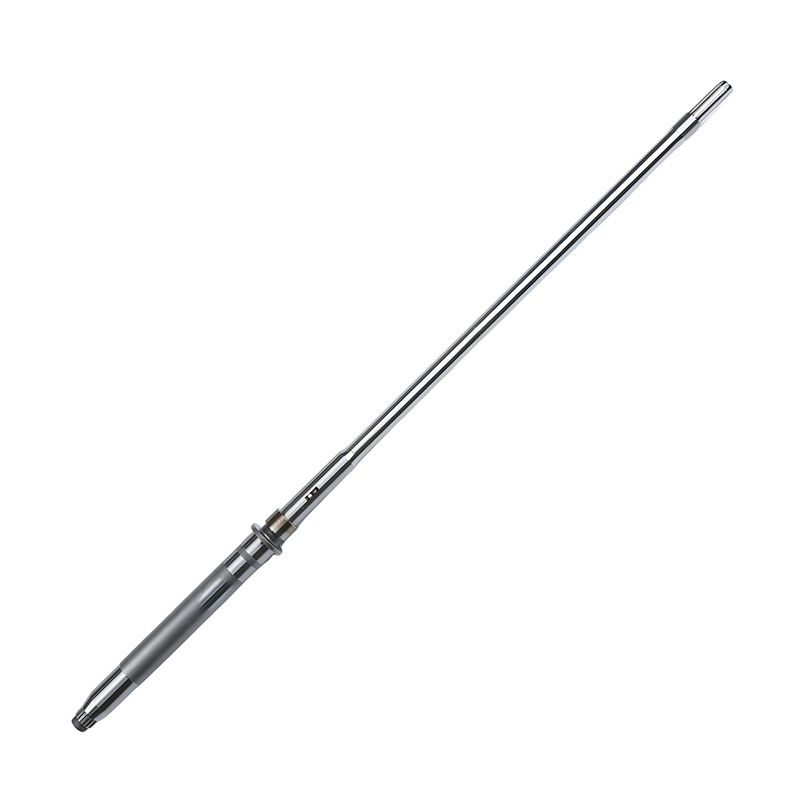
An outboard shaft that is too short may appear acceptable at idle but perform poorly when the boat is loaded or operated at speed.
Watch for these signs:
- Propeller ventilation when accelerating or turning.
- Engine RPM rising suddenly without a matching increase in boat speed.
- Loss of thrust in choppy water.
- Poor hole shot with passengers or gear onboard.
- The anti-ventilation plate sitting noticeably above the hull bottom.
- Frequent need to trim the motor excessively to keep the propeller engaged.
Ventilation is more than an annoyance. Repeated high-RPM slip can reduce control, make the boat less predictable, and place unnecessary stress on the propulsion system.
Before replacing the engine, inspect whether the mounting height, propeller condition, load distribution, or transom modification is contributing to the problem.
A shaft that is too long places the lower unit deeper in the water than intended.
Possible symptoms include:
- Excessive drag and lower top speed.
- Reduced fuel economy.
- Slower acceleration.
- More difficulty operating in shallow water.
- Increased risk of striking submerged obstacles.
- Heavier steering feel at certain trim positions.
- Water spray or turbulence around the lower unit.
Some operators attempt to solve an overly long shaft by raising the engine far above the transom. This can introduce new issues, including inadequate clamping support, poor load transfer, unstable mounting, or altered water flow to the propeller.
The better approach is to begin with the shaft length that matches the transom and make only modest mounting adjustments where the boat and engine manufacturer permit them.
After selecting the basic shaft length, inspect the anti-ventilation plate position.
As a general starting point, the plate should be close to level with the hull bottom when the motor is centered and mounted normally. Exact height may vary based on hull design, propeller type, setback, engine trim, and operating conditions.
1. Level the boat on its trailer.
2. Trim the outboard so the propeller shaft is approximately level.
3. Use a straightedge along the hull bottom toward the motor.
4. Compare the straightedge line with the anti-ventilation plate.
5. Confirm the plate is near the hull-bottom reference line.
This check does not replace sea testing, but it can identify an obvious mismatch before launch.
A well-matched installation should provide stable acceleration, predictable turning, and consistent propeller engagement. If the boat continues to ventilate or pull abnormally, investigate propeller damage, engine mounting position, hull loading, or lower-unit condition.
For a small outboard-powered jon boat, the buyer's main concern is usually the outboard shaft length. However, marine propulsion systems also include rotating shafts, couplings, bearings, seals, and related transmission components in inboard, sterndrive, and specialized marine installations.
In these systems, shaft quality and alignment are critical. A bent shaft, poor coupling alignment, worn bearing, or damaged propeller can create vibration, noise, and premature component wear.
Common warning signs include:
- New vibration under power.
- Knocking or droning from the drivetrain area.
- Uneven propeller wear.
- Seal leakage.
- Abnormal bearing noise.
- Increased vibration at a specific RPM range.
Misalignment in marine driveline equipment can contribute to excess noise, vibration, and early bearing wear. For vessels using dedicated marine drive shafts, professional inspection is advisable when vibration develops suddenly after an impact or progressively worsens over time.
With 29 years of experience in the development, production, and supply of marine transmission components, Ningbo Gill Transmission Parts Co., LTD. supports marine equipment customers who need dependable drivetrain parts and fitment-focused technical communication.
Avoid these costly errors before ordering an outboard.
A 12-foot, 14-foot, or 16-foot designation does not tell you the shaft length. A 14-foot jon boat may have either a 15-inch or 20-inch transom.
The measurement must be vertical. Measuring along a sloped transom can produce the wrong result and lead to an incorrect engine selection.
A transom riser, jack plate, or aftermarket bracket changes the motor's mounting height. Measure the point where the outboard will actually sit.
Outboard brands use standard categories, but bracket design and hull geometry can create small differences. Always inspect installation height and perform a controlled water test.
Occasional propeller slip in extreme turns may occur, but frequent ventilation is a setup problem worth diagnosing.
Use this checklist before purchasing an outboard or changing your jon boat's power setup:
- Measure the transom vertically at the real motor mounting point.
- Match 15-inch, 20-inch, 25-inch, or 30-inch categories to the measured height.
- Check the boat's capacity plate for maximum horsepower and loading limits.
- Consider modifications such as risers, brackets, jack plates, tunnels, and motor wells.
- Inspect the completed installation on land and on water before relying on it for fishing, work, or long-distance travel.
If your measured transom is approximately 15 inches, start with a 15-inch short shaft. If it is approximately 20 inches, choose a 20-inch long shaft. When the measurement is unusual, modified, or between standard sizes, seek technical confirmation before purchasing.
Choosing the right shaft length protects handling, efficiency, and equipment life. For marine manufacturers, distributors, repair professionals, and vessel builders requiring dependable drive shafts, transmission parts, and marine propulsion components, contact Ningbo Gill Transmission Parts Co., LTD.
Share your application details, dimensions, drawings, material requirements, and expected operating conditions. Our technical team can help evaluate component fitment and support the development of reliable marine transmission solutions.
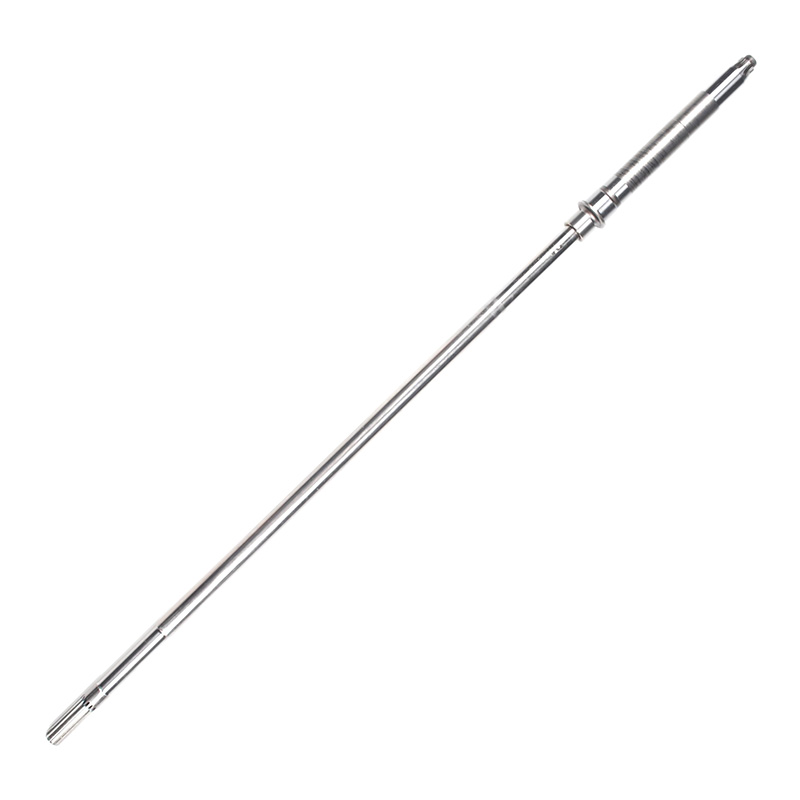
A 14-foot jon boat often uses a 15-inch short shaft, but its actual transom height determines the correct answer. Measure from the top of the motor mounting surface straight down to the hull bottom.
It is generally not the preferred configuration. A 20-inch shaft on a 15-inch transom may sit too deep, increasing drag and reducing shallow-water clearance. Use it only if a properly engineered raised transom or mounting arrangement makes the effective height suitable.
The propeller may ventilate, especially during acceleration, turns, rough water, or heavy loading. You may notice RPM flare, reduced thrust, and inconsistent control.
Measure vertically from the top edge where the motor mounts to the bottom center of the hull. Around 15 inches indicates a short shaft; around 20 inches indicates a long shaft.
At rest, it may be underwater. The important factor is its relationship to the hull bottom and how the boat performs under power. It should generally be near the hull-bottom line when the engine is mounted correctly.
No. Horsepower and shaft length are separate decisions. Choose horsepower according to the boat's rated capacity and intended load; choose shaft length according to the measured transom height.
A jack plate can make limited height adjustments, but it is not a universal fix for a major mismatch. Select the appropriate shaft length first, then use only approved mounting adjustments.
1. [Getmyboat — How to Choose the Right Shaft Length for Your Outboard]
2. [Boat Builder Central — Outboard Shaft Lengths and Transoms]
3. [Tohatsu Australia — How Can I Tell What Shaft Length My Outboard Needs?]
4. [OB Parts — How to Determine the Correct Shaft Length for Your Outboard Motor]
5. [Towers4Boats — How to Measure Outboard Motor Shaft Length]


