


close
Choose Your Site
Global
Social Media
Views: 241 Author: Gill Transmission Parts Publish Time: 2026-09-13 Origin: Site


Content Menu
● Start With the Type of Boat Part You Need
● Where to Buy Boat Parts Near Me: Your Main Options
● Search Locally, But Verify Before You Buy
● Why Drive Shafts Require More Careful Sourcing
>> Key Factors When Buying a Marine Drive Shaft
● A Professional Checklist Before Ordering Boat Parts
>> Information to Provide Your Supplier
● When a Local Store Is Not Enough
● How to Evaluate a Marine Parts Manufacturer
>> Questions to Ask Before Placing a Production Order
● A Safer Way to Buy Replacement Boat Parts Online
● Practical Advice From Marine Parts Experience
● Buy the Right Marine Part With Confidence
>> Where can I buy boat parts near me quickly?
>> Can I buy a boat drive shaft online?
>> How do I know if a marine drive shaft will fit my engine?
>> What information should I send to a boat parts supplier?
>> Is it better to buy from a local dealer or directly from a manufacturer?
>> Can a manufacturer make a custom marine shaft?
>> Why is a part number important when buying boat parts?
When boat owners search "where can I buy boat parts near me," they usually need more than a nearby store. They need the correct part, dependable fitment information, realistic delivery timing, and a supplier who understands the consequences of a failed component on the water.
For common maintenance items, a local marine dealer may be the fastest option. But when you need a replacement drive shaft, propeller shaft, gear, clutch dog, lower-unit component, or custom marine transmission part, the best source may be a specialist manufacturer or an experienced marine-parts exporter rather than the closest retail shelf.
At Ningbo Gill Transmission Parts Co., Ltd., we have focused on the development, production, and supply of marine transmission components since 1997. With 29 years of practical industry experience, we understand that buying marine parts is not simply a transaction. It is a technical matching process involving model identification, material performance, machining accuracy, operating conditions, and after-sales communication.
This guide explains where to buy boat parts near you, how to avoid ordering the wrong component, and when working directly with a professional marine-parts manufacturer can provide a more reliable solution.
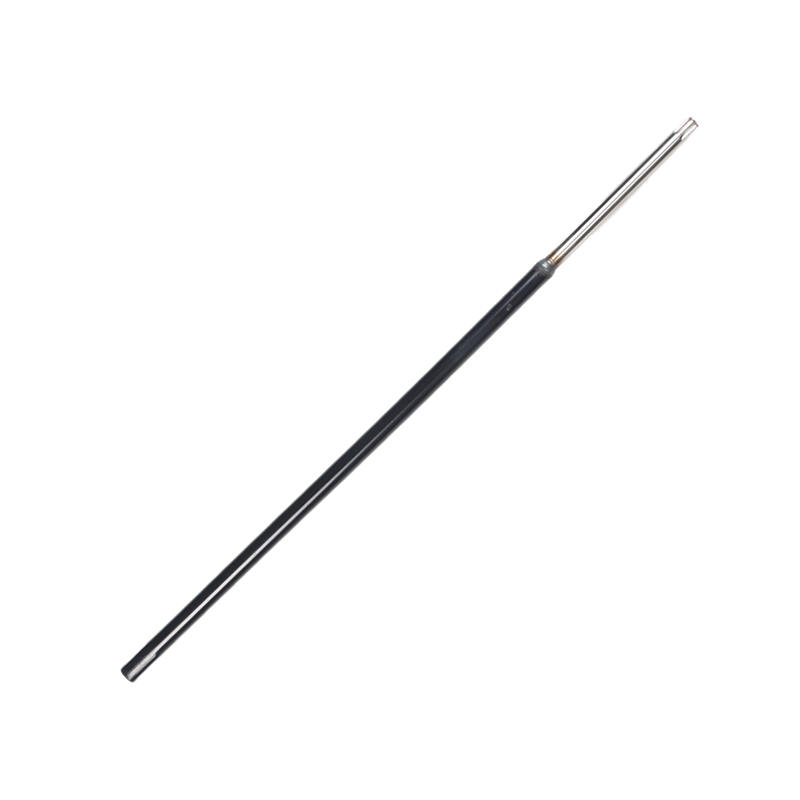
Before searching for a marine-parts supplier, identify whether your requirement is a routine service item or a precision transmission component. This distinction affects where you should buy, how quickly you can source the part, and what information you need to provide.
A nearby boating store can be useful for standard consumables such as:
- Engine oil and lubricants
- Spark plugs
- Fuel filters
- Impellers
- Anodes
- Hose clamps
- Bilge-pump accessories
- Basic electrical fittings
- Marine sealants
- Cleaning and maintenance products
However, more technical parts often require a specialist supplier. These include:
- Drive shafts
- Propeller shafts
- Gear sets
- Pinion gears
- Forward and reverse gears
- Clutch dogs
- Shift components
- Outboard lower-unit parts
- Precision-machined transmission components
- OEM replacement parts
- Custom-made marine drivetrain parts
A part may look similar to another component, but small differences in shaft length, spline count, gear ratio, tooth profile, heat treatment, surface finish, and tolerance can determine whether it performs correctly.
The closest supplier is not always the best supplier. For a critical drivetrain component, accuracy and compatibility should come before convenience.
Boat owners, repair shops, distributors, and marine-equipment buyers generally use several purchasing channels. Each option has benefits and limitations.
| Buying Option | Best For | Main Advantage | Main Limitation |
|---|---|---|---|
| Local marine-parts store | Consumables and emergency maintenance items | Fast pickup and face-to-face support | Limited inventory for specialized components |
| Authorized dealer | Brand-specific replacement parts | Model-based part matching | Often higher pricing and limited alternatives |
| Boat repair shop | Diagnosis plus installation | Professional inspection and repair support | May source only through selected channels |
| Online marine retailer | Common aftermarket boat parts | Broad product selection | Fitment details can be incomplete |
| Local distributor | Fast regional supply | Stock availability for popular models | Less suitable for rare or custom parts |
| Direct manufacturer | Drive shafts, gears, lower-unit parts, bulk orders | Technical communication and custom capability | Shipping may take longer than local pickup |
| Marine-parts wholesaler | Dealers, workshops, and importers | Volume purchasing support | May require minimum-order quantities |
For boat owners with a straightforward maintenance need, local retail can be ideal. For businesses sourcing recurring parts, replacement drive shafts, or hard-to-find lower-unit components, direct manufacturer communication can reduce uncertainty and improve purchasing efficiency.
A local search is a sensible first step, especially if a boat is out of service and you need a basic part quickly. Search terms such as the following can help identify nearby options:
- "boat parts near me"
- "marine supply store near me"
- "outboard motor parts near me"
- "boat engine repair near me"
- "marine drive shaft supplier"
- "propeller shaft replacement supplier"
- "outboard lower unit parts supplier"
- "marine gearbox parts manufacturer"
But do not rely only on the product name shown in a search result. Before visiting a store or placing an order, call or email the supplier and confirm that they have the exact item in stock.
Ask these questions:
1. Do you have this exact part number available?
2. Which engine brands and models does this part fit?
3. Can you confirm the shaft length, spline count, and diameter?
4. Is this an original, aftermarket, or equivalent replacement component?
5. Can you provide product photos and dimensional information before shipment?
6. Do you offer technical support if the part does not match the application?
7. What is the expected delivery time?
8. What are the return conditions for incorrectly ordered parts?
A responsible supplier should welcome specific fitment questions. If a seller cannot explain basic compatibility details for a technical marine transmission component, it is safer to pause before purchasing.
A drive shaft transfers power through the marine drivetrain. In an outboard lower unit or related transmission assembly, it works under continuous rotational force and may be exposed to vibration, shifting loads, water intrusion, corrosion risks, and demanding operating conditions.
Because of this, a drive shaft should not be selected based only on appearance.
When evaluating a replacement drive shaft, confirm the following specifications:
- Overall shaft length
- Shaft diameter
- Spline quantity and spline profile
- Gear-end dimensions
- Thread size and direction
- Connection design
- Applicable engine horsepower range
- Original equipment reference number
- Material grade
- Heat-treatment process
- Surface finish
- Straightness and concentricity requirements
A shaft that is only slightly different from the original can create installation problems, vibration, gear wear, poor power transfer, or premature failure.
For example, two drive shafts may have similar external dimensions but different spline engagement or gear mating details. Installing the wrong version can damage related components inside the lower unit. This is why professional buyers usually compare an original sample, technical drawing, part number, or detailed photos before approving production or purchase.
A precise match protects the entire drivetrain, not just the shaft itself.
Whether you buy from a local shop, an online seller, or a manufacturer, prepare the correct information first. This makes the quotation process faster and reduces the chance of a mismatch.
Use this checklist when requesting a marine-part quotation:
| Information Needed | Why It Matters |
|---|---|
| Boat or engine brand | Helps identify the appropriate product family |
| Engine model | Supports accurate fitment verification |
| Engine serial number | Helps distinguish production variations |
| Original part number | The most efficient way to confirm replacement compatibility |
| Product photos | Useful when the part number is unavailable |
| Measurements | Confirms length, diameter, and interface details |
| Spline count | Essential for shaft and gear engagement |
| Quantity required | Determines stock, pricing, and production planning |
| Required delivery date | Helps the supplier recommend stock or production options |
| Destination country or port | Needed for shipping planning and export documentation |
| Installation issue or failure symptom | Gives context for technical support |
If the damaged part is available, take clear photos from several angles. Include close-up images of splines, threaded ends, gear interfaces, damaged areas, and any stamped numbers.
For a drive shaft, it is especially helpful to provide:
- Total length measured end to end
- Diameter at key locations
- Number of splines
- Gear-end photo
- Thread-end photo
- Original engine brand and model
- Part number from the old component or service manual
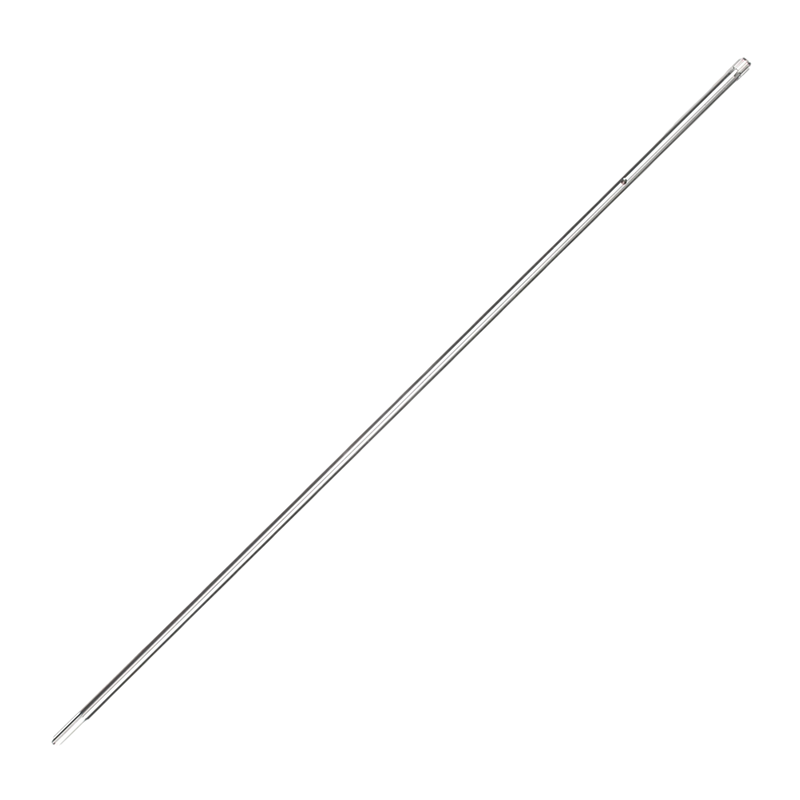
Local marine stores are valuable, but their inventory is usually designed around fast-moving maintenance products. They may not stock rare lower-unit parts, discontinued models, bulk quantities, or parts requiring customized dimensions.
You should consider a specialist manufacturer or export supplier when:
- The required part is not available locally
- Your boat uses an older or less common engine model
- You need a drive shaft or propeller shaft
- You need replacement gears or clutch dogs
- You are purchasing for a repair workshop or distribution business
- You need a stable supply of repeat-order components
- You need private labeling or customized packaging
- You require drawings, samples, or dimensional confirmation
- You want a production solution for a non-standard part
- You need to compare aftermarket alternatives with an original sample
For buyers outside major marine-service hubs, international sourcing is often more practical than waiting for a regional distributor to locate a specialized part.
A manufacturer with machining experience can support the process by reviewing technical information, confirming key dimensions, producing samples where appropriate, and organizing export shipment to your destination.
If you are ordering technical marine transmission parts directly, evaluate the supplier as carefully as you evaluate the product.
A professional marine-parts manufacturer should be able to communicate clearly about production capability, quality-control practices, material selection, drawings, samples, lead times, and shipping arrangements.
- How long has the company produced marine transmission parts?
- Does the supplier manufacture drive shafts and related lower-unit components?
- Can the supplier provide product drawings or dimensional confirmation?
- What inspection steps are used before shipment?
- Can the supplier support OEM, replacement, or custom requirements?
- Is a sample available before a larger order?
- Can the supplier provide photos or videos of the actual product?
- What material and heat-treatment approach is used for the part?
- What is the normal production lead time?
- What export packaging is used to protect precision-machined components?
- Can the supplier support repeat orders with consistent specifications?
- Who will answer technical questions after the order is placed?
At Ningbo Gill Transmission Parts Co., Ltd., our business focuses on gears, drive shafts, propeller shafts, clutch dogs, and related outboard lower-unit parts. Our production base covers more than 25,000 square meters in Ningbo, Zhejiang, China, supporting marine-parts development, machining, production, and export-oriented supply. The company provides OEM and custom service for customers requiring stable specifications and application-focused communication.
For importers, repair businesses, wholesalers, and marine-parts brands, direct cooperation can offer a more controlled process than buying an unverified item from a marketplace listing.
Online purchasing is convenient, but it requires discipline. Product photos and titles alone are not enough for a technical component.
Follow this five-step process before paying:
1. Identify the original part.
Find the engine model, serial number, original reference number, and applicable year range.
2. Compare product details.
Check dimensions, splines, gear interface, thread design, and product photos against the old part.
3. Request confirmation in writing.
Ask the supplier to confirm compatibility based on the information you provide.
4. Review supplier credibility.
Check whether the business has a real company identity, direct contact information, product specialization, factory details, and responsive technical communication.
5. Inspect the part before installation.
Compare the new component to the original item before dismantling more of the engine or gearbox assembly.
This process may take a little longer, but it is less expensive than ordering the wrong part, delaying a repair, paying for repeat labor, or damaging other drivetrain components.
In marine transmission work, the most common purchasing mistake is not choosing a low-cost part. It is choosing a part without confirming the details that affect fitment.
Experienced repair technicians and parts buyers typically focus on three areas:
- Identification: Is the component truly designed for this engine or lower unit?
- Precision: Do the dimensions, splines, gear interfaces, and tolerances match?
- Support: Can the supplier answer questions before and after purchase?
For a drive shaft, the right conversation is more valuable than a short product title. A buyer who sends the engine model, part number, photos, and measurements gives the supplier a much better basis for confirming a suitable solution.
That approach is especially important for export buyers, where returning a heavy or precision-machined part can be costly and slow.
If you are asking, "Where can I buy boat parts near me?" begin with local stores for common maintenance products and urgent basic supplies. For specialized marine drivetrain components, expand your search beyond your immediate area.
The best supplier is the one that can help you confirm the correct part before shipment.
For drive shafts, propeller shafts, gears, clutch dogs, and outboard lower-unit parts, Ningbo Gill Transmission Parts Co., Ltd. can support your sourcing requirements with manufacturing experience, technical communication, OEM capability, and export service.
Send us your part number, engine model, photos, drawings, or sample dimensions. Our team can help review your requirement and recommend a suitable marine-parts solution for your application.
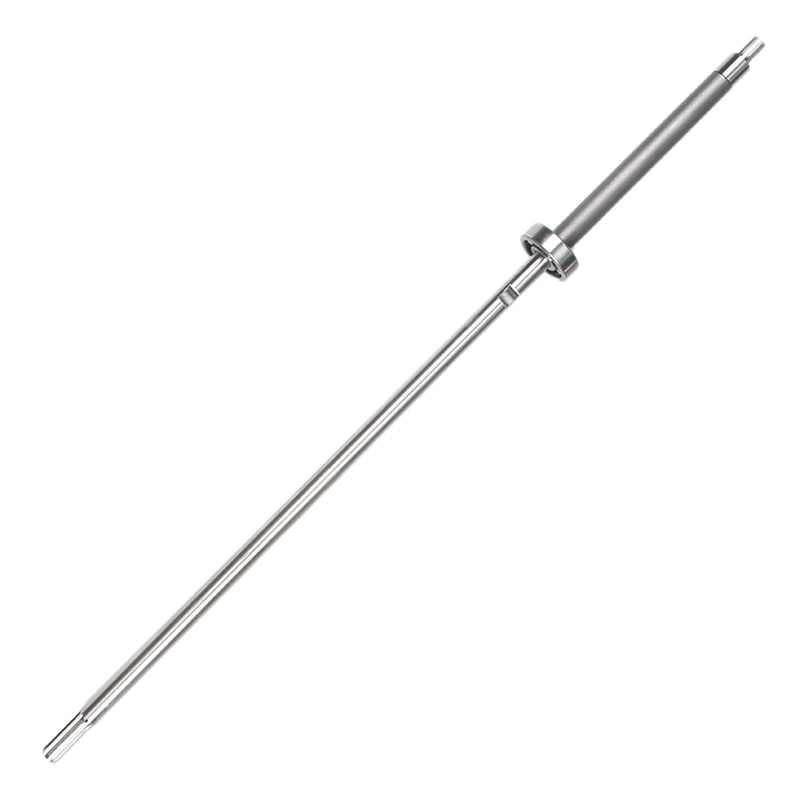
For common products such as filters, spark plugs, impellers, lubricants, and cleaning supplies, check nearby marine supply stores, boat dealerships, repair workshops, and marine hardware retailers. Call first to confirm stock availability.
Yes, but you should verify the engine model, original part number, shaft length, diameter, spline count, and connection details before ordering. A drive shaft must match the lower-unit configuration precisely.
The most reliable methods are matching the original part number, confirming the engine model and serial number, and comparing technical dimensions with the old shaft. Clear photos of both ends of the shaft also help suppliers verify compatibility.
Send the boat or engine brand, model, serial number, original part number, product photos, measurements, quantity, destination, and required delivery date. For a drive shaft, include spline count and total length.
A local dealer is often better for urgent, standard maintenance items. A manufacturer may be more suitable for specialized transmission parts, bulk orders, custom requirements, hard-to-find items, and long-term supply programs.
In many cases, yes. A capable manufacturer can evaluate a sample, drawing, or detailed specification and discuss material, dimensions, machining, heat treatment, quantity, and lead time. Final feasibility depends on the specific component and technical requirements.
A part number helps identify the intended component and reduces confusion between visually similar parts. It is especially useful for gears, shafts, clutch components, and lower-unit assemblies with model-specific variations.
- [Ningbo Gill Transmission Parts Co., Ltd. — Company Profile]
- [Gill Transmission — Gear, Drive Shaft, Propeller Shaft and Clutch Dog Manufacturer]
- [Gill Transmission — Product Range]
- [Gill Transmission — Advanced Factory for Outboard Lower Unit Parts]


