


close
Choose Your Site
Global
Social Media
Views: 257 Author: Gill Transmission Parts Publish Time: 2026-11-25 Origin: Site


Content Menu
● Where to Buy Sea Walker Outboard Motor Parts
>> Start With the Original Dealer or Importer
>> Contact SEAWALKER's Spare-Parts Department
● Identify Your Sea Walker Engine Before Ordering
>> Build an Engine Identification Record
>> Photograph the Existing Component
● Can Yamaha or Other Brands' Parts Fit Sea Walker Outboards?
>> What a Reliable Cross-Reference Should Include
● How to Source Sea Walker Outboard Gears and Lower-Unit Parts
>> Information Needed for a Gear Inquiry
>> Why Gear Installation Requires More Than Physical Fit
● A Practical Five-Step Process for Ordering the Right Parts
>> Step 1: Describe the Symptom Without Assuming the Cause
>> Step 2: Obtain the Correct Component Identification
>> Step 3: Confirm Everything Included
>> Step 4: Compare the Total Delivered Repair Cost
>> Step 5: Inspect Before Installation
● An Expert Purchasing Framework: Fitment, Evidence, and Risk
>> Can the Supplier Explain the Product?
>> What Happens If There Is a Problem?
● Illustrative Scenario: Replacing a Damaged Lower-Unit Gear
● Discuss Your Outboard Gear Requirements With Ningbo Gill
>> Where do you get parts for Sea Walker outboard motors?
>> Are Sea Walker outboard parts interchangeable with Yamaha parts?
>> Can I order Sea Walker parts without a serial number?
>> Where can I find parts for a Sea Walker electric outboard?
>> Should I replace one damaged gear or the complete gear set?
>> Can Ningbo Gill supply gears for my Sea Walker engine?
Where do you get parts for Sea Walker outboard motors? Start with the dealer that supplied your engine, the SEAWALKER manufacturer's spare-parts department, or a marine supplier that can verify your exact model. For replacement outboard gears and other transmission components, a specialist manufacturer may also be an option—but compatibility must be established before ordering.
The important distinction is between finding a part that looks right and finding one that fits, functions, and survives in your engine.
At Ningbo Gill Transmission Parts Co., LTD., our business focuses on developing, manufacturing, and selling outboard gears and related marine components. With 29 years of professional experience, our approach to sourcing is straightforward: identify the engine, confirm the component, and then evaluate the supplier.
This guide explains where to look, what information to provide, and how to avoid expensive purchasing mistakes.
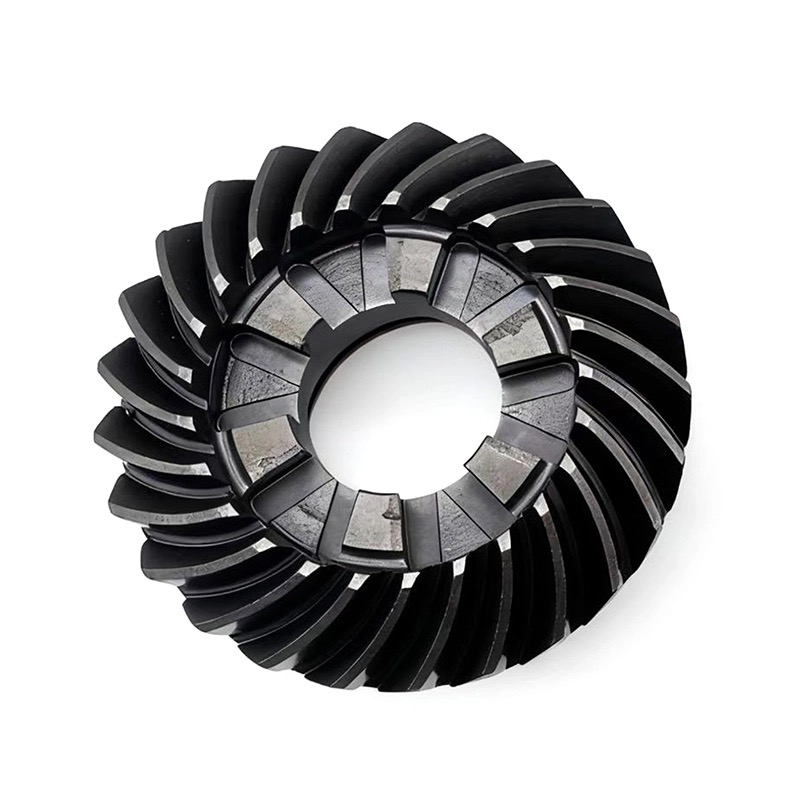
Different sourcing channels suit different repairs. A replacement spark plug requires a different purchasing process from a lower-unit gear set.
| Sourcing channel | Most useful for | What to verify |
|---|---|---|
| Original selling dealer or importer | Model identification, warranty questions, routine replacements | Whether it supports your engine and market |
| SEAWALKER manufacturer | Spare-parts inquiries, component identification, supply referrals | Exact model coverage, availability, and shipping |
| Regional marine retailer | Local ordering assistance and service coordination | Brand support and written fitment confirmation |
| Independent parts supplier | Aftermarket service parts and documented alternatives | Manufacturer, specifications, and return conditions |
| Specialist transmission manufacturer | Gear-related inquiries and production requirements | Engineering compatibility and order feasibility |
| Used-parts seller | Discontinued components and donor assemblies | Condition, identification, and inspection rights |
Your original seller is usually the most practical first contact. It may have your purchase record, engine details, and information about the version imported into your country.
Ask whether it can supply the component directly or identify the appropriate distributor.
If the motor may still have warranty coverage, contact the seller before authorizing dismantling or buying substitutes. Coverage and repair procedures depend on the applicable warranty terms.
SEAWALKER's published marine website identifies Jinhua Hi Wave Boat Equipment Manufacture Co., Ltd. and includes a dedicated outboard spare-parts category.
Its listings include spark plugs, carburetors, fuel tanks, a gearbox for a two-stroke 15 hp engine, and other assemblies. These listings establish a useful inquiry channel, not guaranteed availability for every engine.
Send your engine identification and request a quotation for the specific component. Ask the supplier to confirm the part number, contents, stock status, and destination-country shipping arrangements.
Local retailers can be useful when shipping individual components internationally would be slow or expensive.
For example, Al Wasm Marine publishes a Sea Walker engine listing that mentions spare-parts provision. BAYWATT offers support for replacement parts associated with its listed Sea Walker electric outboards.
Neither example establishes universal coverage. Contact the retailer first and confirm that it supports your exact model.
"Sea Walker," "Seawalker," and "SEAWALKER" appear in product listings. Search variations can help you locate suppliers, but the name alone cannot identify a replacement part.
The available product information also includes gasoline and electric outboards. Their components and service requirements differ substantially.
Prepare the following information:
- Complete model designation.
- Serial number and any production code.
- Rated horsepower or electrical power.
- Two-stroke, four-stroke, or electric configuration.
- Shaft-length designation, if applicable.
- Approximate purchase date.
- Country and original supplier.
- Clear photographs of the identification plate and engine.
Do not substitute horsepower for a model number. Two engines with similar advertised output may use different fuel systems, cooling components, propellers, or transmission arrangements.
Include an overall photograph and close-ups of markings, mounting points, connectors, and damage.
For mechanical parts, add a ruler or measured dimensions where practical. However, treat photographs and basic measurements as supporting evidence—not final proof of interchangeability.
My recommended purchasing rule is simple: obtain written fitment confirmation before paying for a model-specific component.
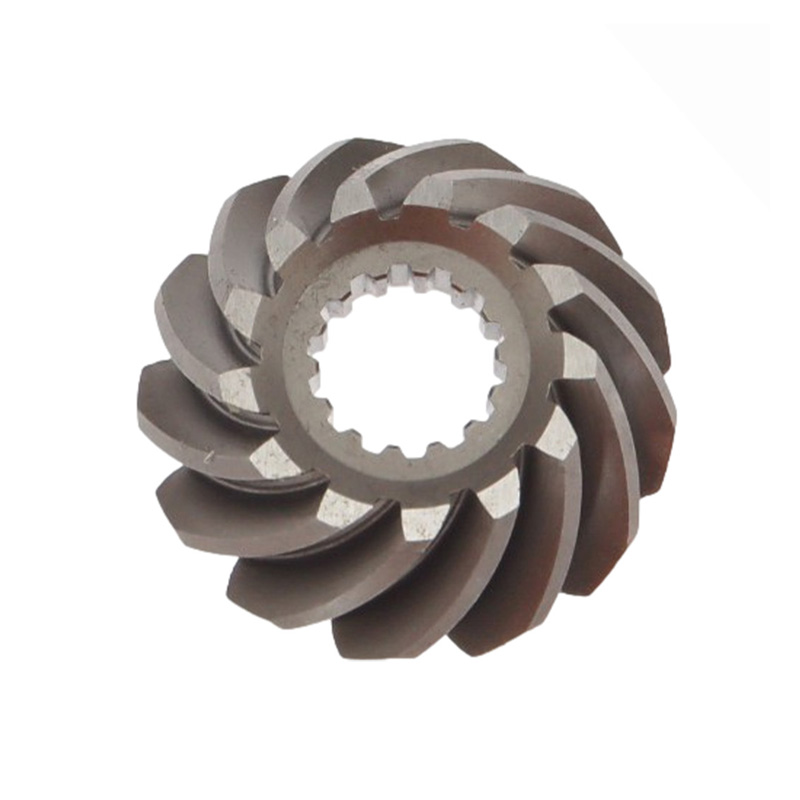
Some SEAWALKER listings advertise compatibility with components associated with other outboard brands. One published carburetor listing, for example, references a Yamaha-style part number and several brands.
That does not establish that all Sea Walker parts interchange with Yamaha, Tohatsu, Parsun, or Hidea components.
Compatibility must be checked individually.
Ask the supplier for:
1. The Sea Walker model and production version covered.
2. The original component number, where available.
3. The proposed replacement number.
4. Relevant dimensions and connection details.
5. Any installation limitations or required associated parts.
For electrical components, matching the housing is insufficient. Connector arrangement and electrical specifications also need confirmation.
For gears, the verification burden is higher still. Similar appearance, equal tooth counts, or matching outside diameters do not independently prove correct meshing.
Avoid buying a critical component based only on "fits Chinese outboards" or "same as Yamaha" wording.
A gasoline outboard's lower unit transfers power to the propeller. Replacement decisions should therefore consider the assembly, not just the visibly damaged component.
For electric models, establish the actual drivetrain design first. Do not assume a conventional gasoline-style gearbox or gear set applies.
When requesting Sea Walker lower-unit parts, provide as much verified information as possible:
| Information | Why it matters |
|---|---|
| Engine model and serial number | Establishes the application |
| Existing part number | Provides the strongest starting reference |
| Forward, reverse, or pinion identification | Prevents component confusion |
| Tooth count and gear geometry | Supports mesh verification |
| Bore, spline, and shaft details | Helps establish mechanical interfaces |
| Bearing and thrust-face dimensions | Supports assembly-position checks |
| Photographs or technical drawings | Clarifies features and condition |
| Required quantity | Distinguishes repair supply from production sourcing |
A damaged sample can help an engineering review, but wear may distort its original geometry. Where possible, accompany samples with drawings, specifications, or an undamaged reference component.
Gear contact depends on positioning as well as tooth geometry. Backlash—the clearance between mating teeth—and the tooth contact pattern are related setup considerations.
General gear-service guidance shows that changing pinion position can require backlash to be checked again. However, automotive gear-pattern charts are not Sea Walker service specifications.
Use the applicable outboard service instructions and specified tools. Do not transfer clearance values or shim procedures from an unrelated gearbox.
A specialist marine technician should determine whether mating gears, bearings, seals, or other components also require replacement.
A disciplined inquiry saves time for both the buyer and supplier.
Explain what the engine does: fails to start, overheats, loses drive, shifts poorly, or makes unusual noise.
Describe when the problem occurs. A symptom is useful diagnostic information, but it is not a confirmed parts list.
Request an exploded diagram or labeled assembly image.
Ask the supplier to mark the proposed replacement and confirm whether the quotation covers one component, a service kit, or a complete assembly.
A "gearbox" quotation may not mean the same thing to every seller.
Clarify whether bearings, seals, shafts, water-pump components, mounting hardware, and lubricant are included or excluded, as applicable.
Compare more than the advertised price:
> Total repair cost = parts + freight + applicable import charges + installation + associated materials + downtime.
A cheaper component can become the more expensive option if it arrives incomplete or cannot be returned after a fitment dispute.
Check identification, quantity, packaging condition, and visible damage.
Keep labels and correspondence. Where practical, have the technician verify the component before installation alters its condition or affects return eligibility.
When evaluating suppliers, I recommend separating three questions.
Seek a traceable identification path: engine model, original number, documented replacement, and relevant specifications.
A seller's confidence is not a substitute for evidence.
For transmission components, useful questions include:
- What material and heat-treatment requirements apply?
- What dimensional inspection information is available?
- How is the component identified or traced?
- Is compatibility based on a drawing, verified application, or visual comparison?
- What must the installer check?
The required documentation depends on the purchase. A distributor sourcing repeat production needs more manufacturing detail than an owner buying a routine service item.
Confirm return conditions, claim procedures, and responsibility for freight.
For business buyers, agree on sample approval and acceptance requirements before discussing a larger order. A successful sample review reduces uncertainty but does not eliminate the need for ongoing quality control.
Consider a hypothetical owner who finds a damaged forward gear and orders a visually similar replacement.
The replacement enters the housing, but the assembly remains noisy. The original problem could involve an incorrect component, unsuitable setup, damaged bearings, or another unresolved condition.
A better approach is to pause and have the assembly inspected. Verify the replacement identity, mating components, shaft condition, and specified setup procedure.
Lubrication also matters. Yamaha's maintenance guidance explains that lower-unit lubricant separates loaded metal components and must withstand demanding operating conditions. This supports the general maintenance principle, not a Yamaha lubricant specification for Sea Walker engines.
Use the lubricant and service requirements specified for your actual motor.
Ningbo Gill Transmission Parts Co., LTD. brings 29 years of professional experience in the research, development, production, and sales of outboard gears and related marine components.
Our role in this sourcing process is focused: helping buyers discuss transmission-component requirements rather than presenting an unverified all-model replacement catalog.
No authorized SEAWALKER relationship or model-specific fitment is claimed here.
For a gear-related inquiry, send your engine model, component number, photographs, available drawings, and required quantity. Request a technical review and quotation based on confirmed requirements before placing an order.
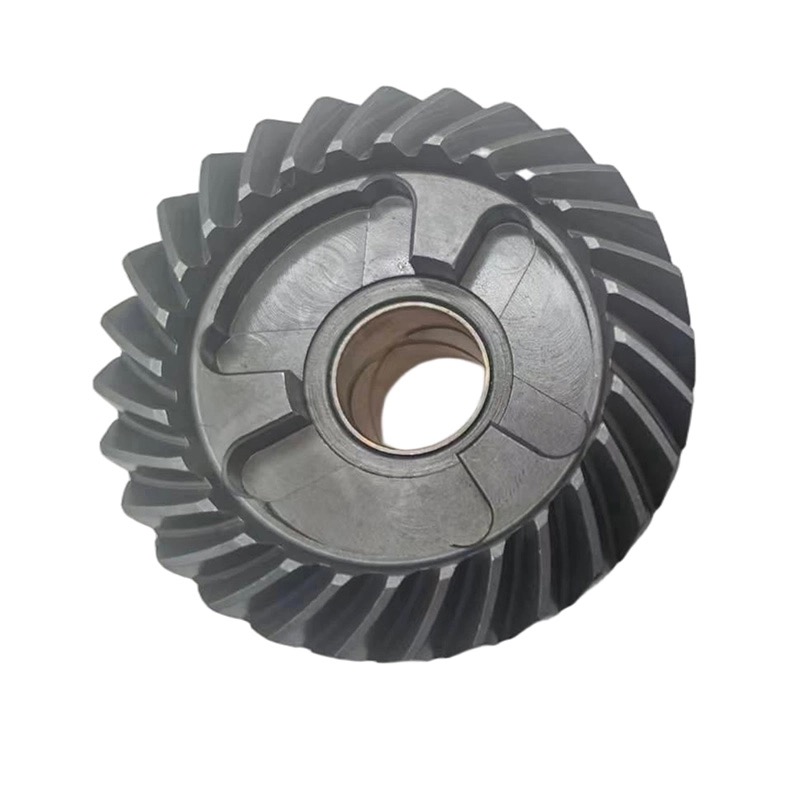
Start with your original dealer or importer, then contact SEAWALKER's published spare-parts department. Regional marine retailers and independent suppliers may also help, provided they confirm your exact engine application.
Some listings claim compatibility for particular components. That is not a universal interchangeability guarantee. Check the specific part number, engine version, dimensions, and installation requirements before ordering.
You can submit an inquiry, but identification may be less certain. Provide the complete model designation, identification-plate photographs, component markings, and purchase information. Ask what additional evidence the supplier needs.
Contact the original electric-outboard retailer or supplier first. BAYWATT publishes replacement-parts support information for its listed Sea Walker S6000. Confirm coverage for your exact model rather than assuming support across the range.
Have the lower unit inspected before deciding. The appropriate repair depends on the gear design, mating-component condition, and applicable service instructions. Replacing one visibly damaged component may leave other problems unresolved.
Submit the application details for review. Company experience alone does not establish compatibility or current availability. Supply feasibility should be confirmed against the required component specifications and commercial terms.
1. SEAWALKER / Jinhua Hi Wave Boat Equipment Manufacture Co., Ltd. "Spare Parts for Outboard Motor." Primary source for the published spare-parts category and example component listings. [seawalkermarine]
2. SEAWALKER. "Contact Us." Primary source identifying the manufacturer's published inquiry channel. [seawalkermarine]
3. Al Wasm Marine. "Seawalker 4 Stroke 6HP Outboard Engine." Regional retailer listing mentioning spare-parts provision; not evidence of coverage for every model. [alwasmmarine]
4. BAYWATT. "Sea Walker S6000 | 9.9HP Electric Outboard Motor." Retailer information concerning the listed electric model and replacement-parts inquiries. [baywatt]
5. Yamaha Outboards. "Owner Resources FAQs." Manufacturer guidance illustrating the importance of engine identification; not a Sea Walker identification standard. [yamahaoutboards]
6. Yamaha Outboards. "Maintenance Matters: A Simple Guide for the Longevity of Your Outboard." Technical background on lower-unit lubrication; not a Sea Walker service manual. [yamahaoutboards]
7. Dana / Canada-Wide Parts Distributors. "Ring Gear and Pinion Tooth Pattern Interpretation." General technical background on gear positioning, backlash, and contact patterns; not Sea Walker-specific installation guidance. [canadawideparts]


