


close
Choose Your Site
Global
Social Media
Views: 257 Author: Gill Transmission Parts Publish Time: 2026-09-23 Origin: Site


Content Menu
● Where Can You Buy Lund Boat Parts?
● Start With an Authorized Lund Boat Dealer
>> Information to Prepare Before Contacting a Dealer
● Buy Lund Boat Parts From Reputable Online Marine Suppliers
● How to Find Discontinued Lund Boat Parts
>> A Better Method for Sourcing Legacy Parts
● When Genuine Lund Parts Matter Most
● A Specialist Perspective on Drive Shaft and Propulsion Components
>> Why Alignment Should Be Checked Before Replacing a Shaft
● A Practical Parts-Verification Checklist
>> For General Replacement Parts
>> For Mechanical or Propulsion Parts
● Common Mistakes When Buying Lund Boat Parts
>> Ordering by Boat Brand Only
>> Assuming a Similar-Looking Part Will Fit
>> Ignoring the Operating Environment
>> Replacing the Symptom Instead of the Cause
>> Focusing Only on Unit Price
● How to Choose Between Original, Aftermarket, and Custom Parts
● Request a Marine Drive Shaft or Parts Consultation
>> Where is the best place to buy Lund boat parts?
>> Can I buy discontinued Lund boat parts online?
>> How do I identify the correct Lund boat part?
>> Are aftermarket parts suitable for Lund boats?
>> What information is needed for a replacement marine drive shaft?
>> Why does a boat shaft need alignment inspection?
>> Should I replace a shaft seal without checking the shaft surface?
Finding the right Lund boat parts is not simply about locating the lowest price online. For owners, service technicians, and marine distributors, the real priority is purchasing a component that matches the boat's model, production year, configuration, and operating environment.
Whether you need a replacement windshield, livewell fitting, seat pedestal, trailer component, control cable, propeller hardware, or marine drive-shaft-related component, buying the wrong part can cause wasted installation time, return costs, safety issues, and unnecessary downtime.
This guide explains where to buy Lund boat parts, how to identify the correct component before ordering, when genuine branded parts are essential, and when a professionally engineered replacement part may be the better solution.
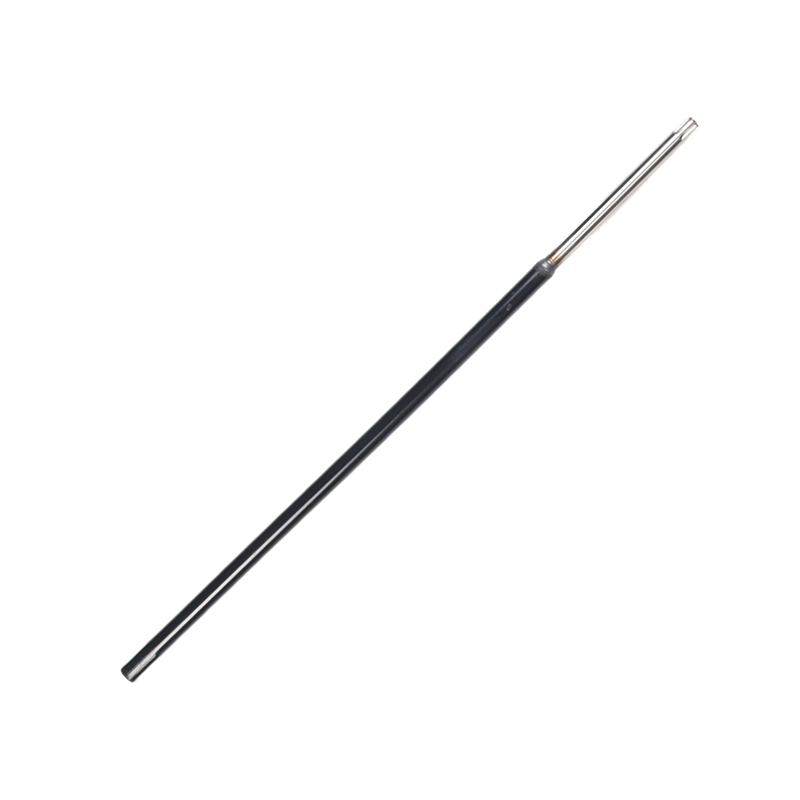
The most reliable places to buy Lund boat parts are authorized dealers, established marine-parts retailers, specialist surplus suppliers, and qualified marine component manufacturers.
The right source depends on what you are buying. A cosmetic trim item, for example, does not carry the same technical risk as a steering component, trailer brake part, propeller shaft accessory, or engine-related fitting.
| Buying Source | Best For | Main Advantage | What to Check |
|---|---|---|---|
| Authorized Lund dealer | Warranty-related and model-specific parts | Direct access to official service support | Confirm model, hull identification number, and part availability |
| Lund customer service or dealer network | Technical questions and original replacement guidance | Better support for part identification | Prepare boat year, model, and photographs |
| Marine-parts retailers | Common accessories and replacement hardware | Broad inventory and online ordering | Verify dimensions, material, and application |
| Specialist OEM-surplus sellers | Discontinued or difficult-to-find components | Access to legacy inventory | Confirm condition, compatibility, and return policy |
| Professional marine-parts manufacturers | Custom, replacement, and engineered drivetrain components | Design flexibility and production capability | Confirm drawings, tolerances, material grade, and quality process |
For genuine service and replacement-parts guidance, Lund directs owners to contact their dealer or Lund Boats directly. The company's owner manual also explains that authorized dealers process warranty repairs, while information on service, replacement parts, and additional equipment is available through dealers or Lund Boats.
For many owners, an authorized dealer should be the first place to check when looking for Lund boat parts.
This route is especially useful when the required part is:
- Covered by a warranty claim
- Unique to a specific Lund model or production year
- Related to the hull structure
- Part of a factory-installed electrical or plumbing system
- Needed for a safety-critical repair
- Difficult to identify from a photograph alone
- Connected to a dealer-installed option package
Lund provides a dealer locator that lets customers search by ZIP code, postal code, or city. This is a practical starting point for owners who need local diagnosis, installation support, or help identifying a part from the vessel's details.
A dealer can identify the correct part faster if you provide complete information from the beginning.
Prepare the following details:
1. Boat model — such as Impact, Fury, Tyee, Rebel, Alaskan, or other applicable model.
2. Model year — do not estimate if the title, registration, or manufacturer information is available.
3. Hull Identification Number — this is often the most important identifier for exact configuration verification.
4. Engine and trailer details — relevant when the required part relates to controls, rigging, trailer hardware, or propulsion equipment.
5. Photographs — take clear images of the entire installed area and close-up images of labels, fasteners, connectors, and damaged surfaces.
6. Measurements — record inside diameter, outside diameter, length, thread size, mounting-hole spacing, spline count, and shaft diameter where applicable.
7. Part markings — capture any cast numbers, labels, manufacturer logos, or stamped codes.
Do not order based only on the appearance of an old part. Marine components that look identical can differ in material, mounting geometry, corrosion resistance, connector type, thread pitch, or load rating.
Online marine suppliers can be a practical source for common Lund boat replacement parts and accessories. They can be particularly useful when a local dealer does not stock an item or when the owner already has confirmed part numbers and specifications.
Typical online purchases may include:
- Seat mounts and pedestal bases
- Navigation lights
- Livewell pumps and hoses
- Drain plugs and fittings
- Boat covers
- Windshield hardware
- Latches, hinges, locks, and handles
- Rub rail components
- Trailer lights
- Trailer couplers
- Fenders
- Electrical terminals
- Battery switches
- Marine fasteners
- Storage-compartment hardware
Some suppliers specialize in original surplus parts and accessories. For example, Great Lakes Skipper states that it carries original Lund components, including hard-to-find items sourced through manufacturer surplus inventory.
However, the term "OEM" can mean different things across marine retail listings. It may refer to an original branded part, a part made by the original component supplier, unused surplus inventory, or a replacement designed to fit an original application.
Before buying, ask the seller:
- Is this part new, used, reconditioned, or surplus?
- Is it an original branded component or an aftermarket equivalent?
- Does the listing show an exact manufacturer part number?
- Is the part guaranteed to fit a specific Lund model and year?
- Are mounting hardware and seals included?
- What is the return policy if fitment is incorrect?
- Is the product suitable for freshwater, saltwater, or both?
Older boats often require parts that are no longer listed in current dealer inventory. This is common with legacy windshield sections, decals, dash panels, compartment latches, seat assemblies, upholstery, rail components, and model-specific trim pieces.
Lund's owner-resource archive includes catalogs and brochures from recent years and historical materials dating back to 1959. These documents can help owners identify original model configurations, available options, and product terminology before contacting a supplier.
When looking for a discontinued part, use a structured approach rather than searching a vague phrase such as "old Lund boat part."
1. Find the exact boat model and production year.
2. Review the owner manual, catalog, or original build information.
3. Search for printed part numbers on the old component.
4. Search by both the part number and a plain-language description.
5. Contact an authorized dealer for superseded part numbers.
6. Check established marine surplus specialists.
7. Compare measurements against the original component.
8. Consider professional fabrication only after confirming the function and safety requirements.
For example, a discontinued hatch latch may be replaceable with a marine-grade equivalent if the mounting pattern and load requirement match. A damaged steering component, fuel-system fitting, structural bracket, or drive-shaft-related part requires a much higher level of technical verification.
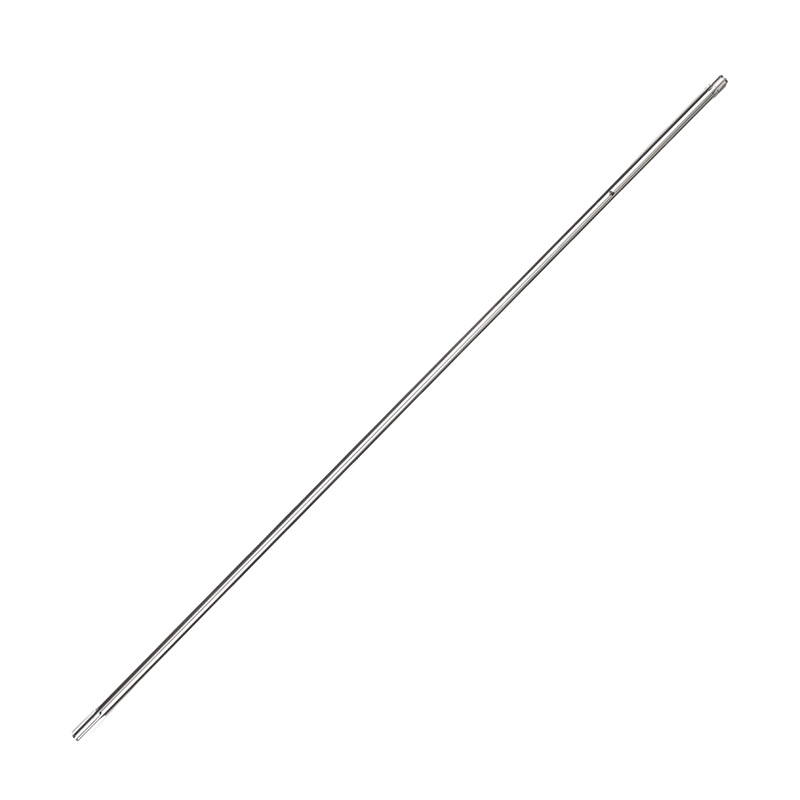
Not every repair requires an original branded component. But certain categories deserve a more conservative purchasing decision because fitment, material selection, and operating reliability matter more than initial price.
| Component Category | Preferred Purchasing Approach | Reason |
|---|---|---|
| Hull-specific glass, trim, rails, and panels | Original or verified direct-fit replacement | Shape and mounting compatibility are critical |
| Wiring harnesses and electrical controls | Original or professionally specified equivalent | Incorrect connectors or wire ratings can create failures |
| Fuel-system components | Certified marine-rated components | Fuel compatibility and leak prevention are essential |
| Steering and control components | Approved marine components matched to the system | Safety and control reliability are critical |
| Trailer brake and coupling components | Correctly rated replacement parts | Load capacity and legal road safety matter |
| Propulsion-system components | Engineering-verified components | Alignment, load, corrosion, and dimensional accuracy matter |
| Cosmetic hardware | Quality replacement may be suitable | Appearance and basic fit are usually the main concerns |
The key point is simple: a low-cost part is expensive if it fails during use, damages another system, or forces a second repair.
For boat owners and marine service professionals, propulsion-related components require greater care than general deck hardware. A shaft, coupling, flange, seal interface, bearing surface, or related transmission component may operate under continuous rotational load while exposed to water, vibration, temperature changes, and corrosion.
Ningbo Gill Transmission Parts Co., LTD. has focused on the research, production, and supply of drive shafts and related marine transmission components for 29 years. From a manufacturing perspective, the correct component is determined by more than overall length.
A technically suitable drive shaft solution should consider:
- Shaft diameter
- Overall and effective working length
- Material grade
- Surface finish
- Spline profile and spline count
- Flange dimensions
- Bolt-hole pattern
- Torque requirement
- Rotational speed
- Coupling design
- Seal-contact surface requirements
- Corrosion environment
- Balancing requirements
- Installation alignment
A shaft that is only "close enough" in diameter or length can create vibration, seal wear, bearing damage, coupling stress, or premature failure.
Industry guidance from ABS notes that shaft alignment procedures may include bore sighting, bearing fitting verification, tail-shaft bearing-clearance measurement, sag-and-gap measurements, and bearing-load measurements. ABS also identifies an alignment limit of 0.3 milliradians between the shaft and bearing centerlines in the context of propulsion shafting alignment.
If a propulsion component fails repeatedly, replacing the part alone may not solve the underlying issue.
Common warning signs include:
- Repeated seal leakage
- Abnormal vibration at specific engine speeds
- Uneven bearing wear
- Coupling bolt loosening
- Elevated bearing temperature
- Metal particles in lubricant
- Excessive shaft runout
- Noise during acceleration or deceleration
- Visible corrosion or scoring at the seal-contact area
In these situations, inspect the connected system before ordering a replacement. This includes the engine or gearbox output, coupling faces, bearing supports, shaft straightness, propeller condition, and alignment condition.
A professional alignment inspection can prevent a new shaft from inheriting the same operating problem that damaged the original component.
Before placing an order for Lund boat parts, use this checklist.
- Confirm the boat model and year.
- Locate the original part number if available.
- Measure the old component.
- Compare photographs with the supplier listing.
- Check mounting-hole spacing.
- Confirm material suitability.
- Verify whether hardware, gaskets, or connectors are included.
- Read the return and warranty terms.
- Confirm dimensions to drawing-level accuracy.
- Verify shaft diameter and tolerances.
- Confirm spline, flange, keyway, or coupling details.
- Identify the operating torque and speed.
- Confirm material grade and corrosion protection.
- Check straightness and balance requirements.
- Verify seal-surface requirements.
- Review the installation alignment.
- Request inspection reports or quality documentation where appropriate.
- Use qualified installation support for safety-critical work.
Many costly marine-parts purchasing mistakes are avoidable.
"Lund boat part" is too broad a description. Lund has produced many models, layouts, option packages, and production-year variations. Always add the model, year, component type, and dimensions.
A windshield latch, seat base, trim panel, or plumbing fitting may appear interchangeable but differ by a few millimeters. In marine repair, those few millimeters can make the difference between a secure installation and a poor fit.
A part that performs adequately in protected freshwater use may not be appropriate for saltwater or brackish-water exposure. Select materials and protective finishes based on real operating conditions.
A damaged shaft seal may indicate misalignment, bearing wear, shaft surface damage, line entanglement, or an incorrect installation. Diagnose the cause before buying repeat replacements.
A less expensive component may require modification, create downtime, or fail early. Consider the total cost of ownership, including delivery time, installation labor, expected service life, maintenance needs, and risk of secondary damage.
The best sourcing route depends on the part's function.
Choose an original part when exact fit, warranty support, appearance, or factory compatibility is essential.
Choose a quality aftermarket part when it has documented compatibility, appropriate marine-grade materials, and a reputable supplier behind it.
Choose a custom-engineered replacement when the original component is discontinued, the application has been modified, production volume is required, or the part is part of a specialized drivetrain system.
For custom drive shafts and transmission-related marine components, provide a dimensional drawing whenever possible. If a drawing is unavailable, a professional manufacturer can often work from samples, photographs, measurements, and application data. Still, the final specification should be confirmed before production begins.
If you are sourcing a replacement drive shaft, transmission component, or marine mechanical part for a Lund boat or another vessel, do not rely on visual matching alone.
Send your drawings, photos, sample part, dimensions, material requirements, and application details to Ningbo Gill Transmission Parts Co., LTD. Our team can help evaluate fitment requirements for marine drive shafts and related transmission parts, including custom manufacturing and export supply support.
A complete inquiry should include the boat or equipment model, working conditions, required quantity, technical drawing, shaft dimensions, coupling details, and any quality-documentation requirements. Providing accurate information early helps reduce sampling time, prevent rework, and improve the likelihood of a successful installation.
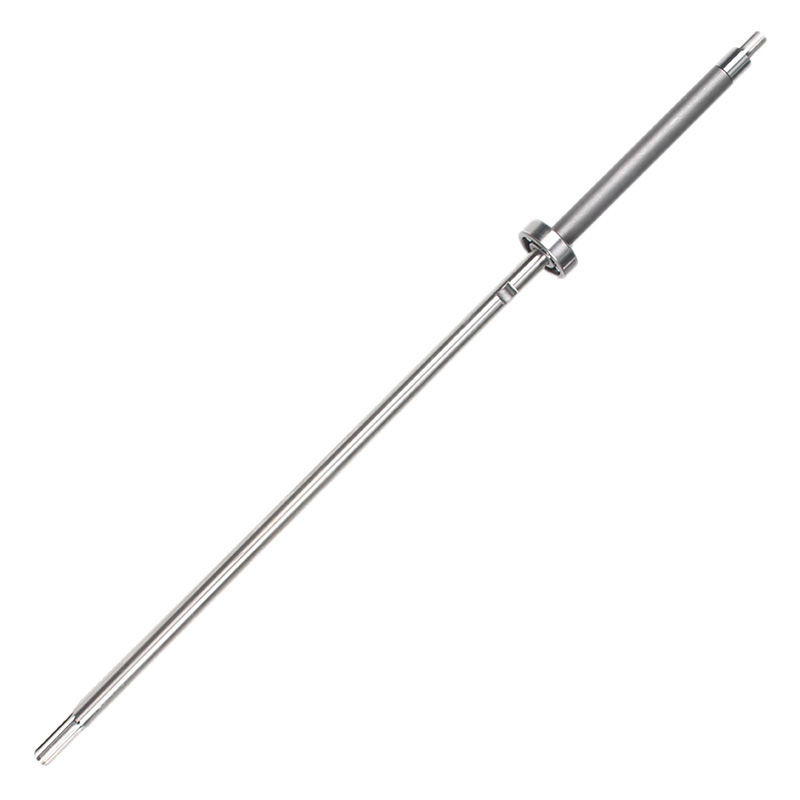
An authorized Lund dealer is usually the best starting point for model-specific, warranty-related, or difficult-to-identify parts. Online marine suppliers and specialist surplus sellers can be useful for common accessories and discontinued components after fitment has been verified.
Yes. Specialist marine-parts suppliers may carry unused surplus, legacy inventory, or replacement equivalents. Confirm the exact model, year, dimensions, part number, and condition before purchasing.
Start with the boat model, model year, Hull Identification Number, old part number, photographs, and measurements. A dealer or qualified supplier can use this information to verify fitment.
Aftermarket parts can be suitable when they are designed for the correct application, made from appropriate marine-grade materials, and supplied by a reputable manufacturer. For safety-critical, propulsion, steering, fuel, or electrical components, verify technical compatibility carefully.
Provide shaft diameter, working length, spline or flange specifications, material requirements, torque, speed, coupling information, seal-contact details, operating environment, and drawings or samples whenever possible.
Misalignment can create vibration, uneven bearing load, seal wear, heat, and premature component damage. Inspecting alignment helps identify whether the shaft failure was caused by an underlying installation or support-system issue.
Not always. A damaged or worn seal may be caused by corrosion, scoring, runout, misalignment, bearing wear, or debris. Inspect the shaft surface and related components before installing a new seal.
- [Lund Boats — Owner's Manual]
- [Lund Boats — Find a Dealer]
- [Lund Boats — Contact Customer Service]
- [Lund Boats — Owner Resources, Catalogs and Brochures]
- [Lund Boats — Performance and Specifications Manual]
- [Great Lakes Skipper — Original Lund Boats Parts and Accessories]
- [American Bureau of Shipping — Propulsion Shafting Alignment Guidance]


