


close
Choose Your Site
Global
Social Media
Views: 209 Author: Gill Transmission Parts Publish Time: 2026-07-03 Origin: Site


Content Menu
● Introduction: What "Long Shaft" Really Means
● Standard Shaft Lengths for Outboard Motors
● How to Measure Shaft Length on Your Boat Motor
● Why Shaft Length Matters for Performance and Safety
● Long Shaft Motors vs Short Shaft Motors
● Expert Insight – Drive Shaft Engineering Behind "Long Shaft"
● Practical Checklist for Choosing Shaft Length
● Long Shaft Motors in Rough Water and Offshore Conditions
● Maintenance Tips for Long Shaft Drive Systems
● Industry Case Insight – OEM and Aftermarket Long Shaft Solutions
● How Professional Manufacturers Support Long Shaft Motor Users
● When Should You Upgrade to a Long Shaft Motor?
● Clear CTA – Talk to a Drive Shaft Specialist
● FAQ
A long shaft boat motor typically has a shaft length of around 20–25 inches, and choosing the right length is critical for safe, efficient performance on the water. As a manufacturer with nearly three decades of experience in drive shafts for marine applications, I'll walk through how to understand, select, and maintain long shaft motors from both a practical user and industry expert perspective. [gilltransmission]
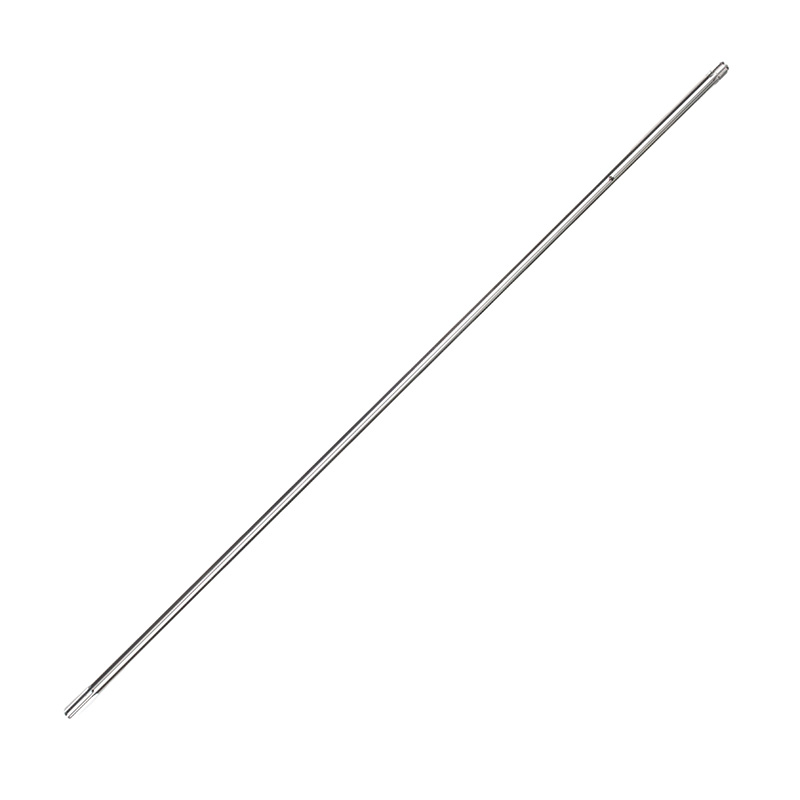
When boaters ask "how long is a long shaft boat motor?", they rarely mean only the measurement; they're really asking how to match shaft length to their boat's transom height and sea conditions. Long shaft outboard motors are generally designed for higher transoms, rougher water, and more demanding marine environments.
From an engineering standpoint, shaft length is not just a number; it's a parameter that affects propeller immersion, thrust transfer along the drive shaft, vibration behavior, and the long‑term durability of the entire transmission system. For a company like Ningbo Gill Transmission Parts Co., LTD., which specializes in outboard gears, crankshafts, drive shafts, and propeller shafts, shaft length sits at the core of how we design and manufacture reliable marine power transmission solutions. [zgbk]
Most outboard motors are categorized into short, long, and extra‑long shaft configurations. Although exact dimensions vary by brand, typical nominal lengths are:
- Short shaft: around 15 inches
- Long shaft: around 20 inches
- Extra‑long shaft: around 25 inches or more
These lengths are measured from the mounting bracket to the cavitation plate, not the full physical length of the drive shaft itself. In practice, a "long shaft" motor is engineered for boats with higher transoms so the propeller sits at the correct depth, even in choppy or offshore conditions.
For marine transmission parts manufacturers, these common categories guide the design envelope of the drive shaft and propeller shaft assemblies, ensuring compatibility with global OEM and aftermarket standards across brands such as Yamaha, Suzuki, Mercury, and others. [gilltransmission]
To answer "how long is a long shaft boat motor" for your specific setup, you need to understand the measurement method.
Step‑by‑step measurement process:
1. Measure your transom height from the top of the mounting surface down to the bottom of the hull at the keel.
2. Check the manufacturer's specified shaft length for your outboard model (short, long, or extra‑long).
3. Align the motor on the transom and verify that the cavitation plate sits approximately level with, or slightly below, the bottom of the hull.
4. Confirm propeller immersion at rest and at cruising speed to ensure the propeller does not ventilate in waves.
For most fiberglass and aluminum boats designed for long shaft motors, transom height typically matches the 20‑inch class. In harsher offshore environments or on specialized hulls, 25‑inch extra‑long configurations are often preferred to maintain consistent thrust in heavier seas.
Choosing the correct shaft length is critical for both performance and safety. If the shaft is too short for your transom, the propeller may ventilate, losing grip and causing unstable handling. If it is too long, the propeller may sit unnecessarily deep, increasing drag and loading on the drive shaft and transmission system.
From an industry design perspective, shaft length directly influences:
- Propeller immersion and thrust efficiency
- Angle and alignment of the drive shaft with the gear set
- Vibration transmission from the propeller to the motor mounts
- Load distribution on gears, crankshaft, and bearings
Manufacturers with advanced automatic machining centers and spiral bevel gear machines, like Gill Transmission, engineer shaft length and geometry to maintain optimal meshing between gears and shafts, reducing wear in high‑load marine environments. [gilltransmission]
Long shaft motors are not simply "bigger versions" of short shaft units; they are optimized for different hull and usage profiles.
- Short shaft motors:
- Small dinghies and tenders
- Low transom fishing boats in calm waters
- Lightweight inflatables used in sheltered bays
- Long shaft motors:
- Mid‑size fishing or leisure boats with higher transoms
- Sailboats where the motor must reach below the stern overhang
- Workboats operating in mixed or mildly rough conditions
- Extra‑long shafts:
- Offshore boats frequently exposed to heavy chop
- Certain sailboat and commercial hulls with very high mounting points
In all these scenarios, the underlying drive shaft design must handle continuous torque transmission from the powerhead to the propeller, while resisting corrosion and bending loads in demanding marine environments. [zgbk]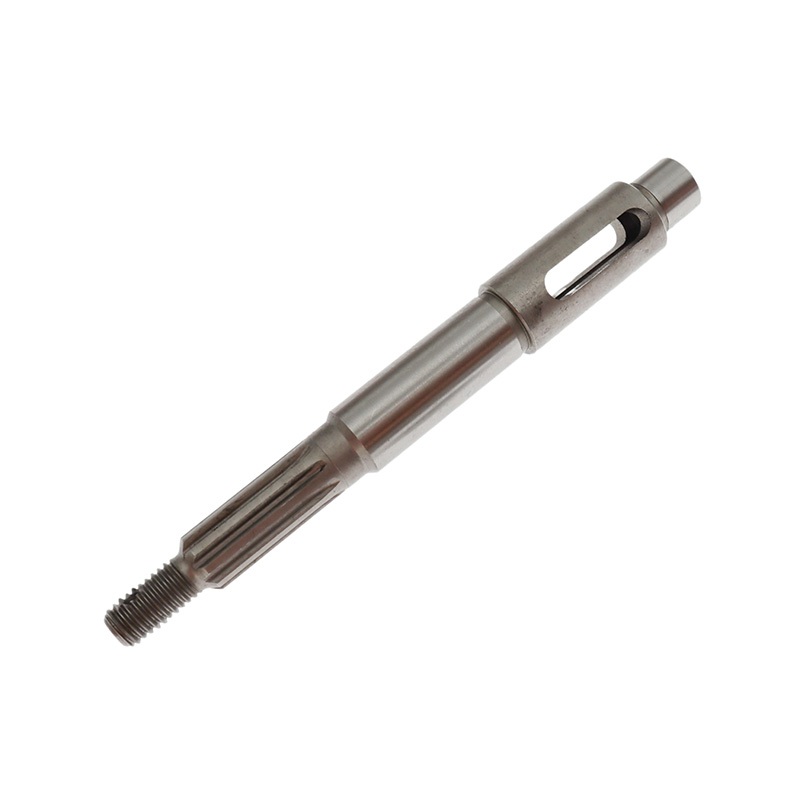
From an engineering and manufacturing viewpoint, a long shaft outboard is not just about length; it's about how that length interacts with torsional loads, alignment tolerances, and material behavior over thousands of operating hours.
At Gill Transmission, long drive shafts for marine use are produced using advanced CNC machining centers, automated spiral bevel machines, and precision grinding equipment to ensure tight dimensional control. These processes reduce runout, improve balance, and enhance the reliability of gear‑to‑shaft connections in long shaft assemblies. [gilltransmission]
Key design priorities for long drive shafts in boat motors:
- Precision alignment between crankshaft, gear set, and propeller shaft
- Material selection with high fatigue resistance and corrosion protection
- Surface finishes that minimize friction in bearings and seals
- Quality control under an ISO 9001 Quality Management System to maintain consistent performance across high‑volume batches [gilltransmission]
For boat owners, this means that a well‑engineered long shaft motor is less likely to suffer premature gear wear, vibration‑induced damage, or catastrophic shaft failure under heavy loads.
When selecting between short, long, and extra‑long shaft motors, professionals often use a structured checklist to avoid mismatches.
Professional selection checklist:
- Verify transom height against the manufacturer's recommended shaft length.
- Consider typical operating conditions (lake, river, coastal, offshore).
- Account for average load (passengers, gear, fuel, and accessories).
- Evaluate hull design (flat bottom, deep‑V, semi‑displacement, or planing).
- Check whether the motor will be used on multiple boats or a single dedicated hull.
For B2B buyers, such as boat builders or fleet operators, working directly with component manufacturers that specialize in gears and drive shafts allows for custom configurations and more precise tuning of shaft length to hull geometry. [gilltransmission]
One common reason to choose a long or extra‑long shaft motor is operation in rough or offshore waters. In waves, the stern of the boat can lift and drop significantly, increasing the risk of propeller ventilation if the shaft is too short.
A long shaft keeps the propeller deeper in the water through these motion cycles, maintaining traction and directional stability. This is especially important for safety when navigating swell, cross‑seas, or strong tidal flows. From a transmission standpoint, stable propeller immersion also means more consistent torque loads, which reduces shock loading on gears and drive shafts. [zgbk]
Manufacturers supplying global markets invest heavily in modern equipment and testing systems to simulate these conditions and validate shaft durability and performance before products reach customers. [gilltransmission]
Even the best‑designed long shaft motors need proper maintenance to perform reliably over time. As a component manufacturer, we see many avoidable issues caused by poor lubrication and inspection practices.
Essential maintenance actions for long shaft motors:
- Regularly grease universal joints and splines on the drive shaft according to the manufacturer's interval. [gilltransmission]
- Inspect shaft seals around the lower unit for wear or leakage.
- Check for abnormal vibration or noise, which may indicate misalignment or gear damage.
- Flush the cooling and exhaust passages with fresh water after use in saltwater.
- Follow recommended service schedules for oil changes in the gear case.
Technical guides on proper drive shaft lubrication show that systematic greasing significantly extends service life and reduces corrosion, especially in saltwater environments. [gilltransmission]
From an industry perspective, long shaft motors are supported by a large ecosystem of OEM and aftermarket drive shafts and propeller shafts. Gill Transmission, for example, manufactures gears, drive shafts, and propeller shafts that serve global customers across North America, Europe, Asia, and South America. [gilltransmission]
This broad presence allows for:
- OEM collaboration to align shaft design with new hull platforms
- Aftermarket support for replacement shafts matching multiple brands and models
- Custom development capabilities for niche or high‑performance applications [gilltransmission]
For boat owners and fleet managers, choosing suppliers who combine advanced automatic machining centers, accurate testing equipment, and ISO‑certified quality management helps ensure that long shaft components integrate seamlessly and perform reliably in real‑world use. [gilltransmission]
A key part of Google's E‑E‑A‑T framework is the link between real‑world expertise and user‑facing guidance. In the marine sector, this connection is often realized through technical support and solution services.
Gill Transmission provides:
- Custom sample mapping and R&D, turning customer drawings or samples into production‑ready drive shafts and gear components. [gilltransmission]
- Flexible production capacity, with an annual output exceeding 3.6 million units, ensuring consistent supply for long shaft motor parts. [gilltransmission]
- Technical consultation, helping customers select appropriate shaft configurations and materials for their specific applications.
For users asking "how long is a long shaft boat motor", this means you're not limited to generic catalog choices; you can work with experienced manufacturers to optimize shaft length, gear ratios, and material choices for your vessel and operating profile.
Many boat owners start with short shaft motors and only later realize that they need a long shaft for better performance or safety. Recognizing the right time to upgrade is essential.
You should consider moving to a long shaft or extra‑long shaft configuration when:
- Your boat frequently encounters waves where the propeller comes close to the surface.
- You notice repeated ventilation, cavitation, or loss of thrust in chop.
- You plan to operate further offshore, beyond sheltered bays or rivers.
- You have increased the boat's load and changed its trim behavior.
In these scenarios, consulting with an experienced marine parts supplier or transmission specialist can help you choose a new motor or retrofit drive shaft solution that matches your evolved usage pattern. [gilltransmission]
If you are uncertain about whether your current setup truly qualifies as a long shaft configuration, or if you are planning a new boat build or fleet upgrade, it's wise to engage directly with a professional drive shaft and marine transmission specialist.
With over 28 years of focused experience in outboard motor accessories, advanced automatic machining equipment, and ISO 9001‑certified quality management, Ningbo Gill Transmission Parts Co., LTD. can help you assess your transom height, operating environment, and performance requirements to determine the ideal shaft length and corresponding transmission components. [gilltransmission]
By collaborating early in the design or selection process, you can avoid costly mismatches, improve on‑water safety, and maximize the service life of your long shaft motor and its drive shaft assembly.
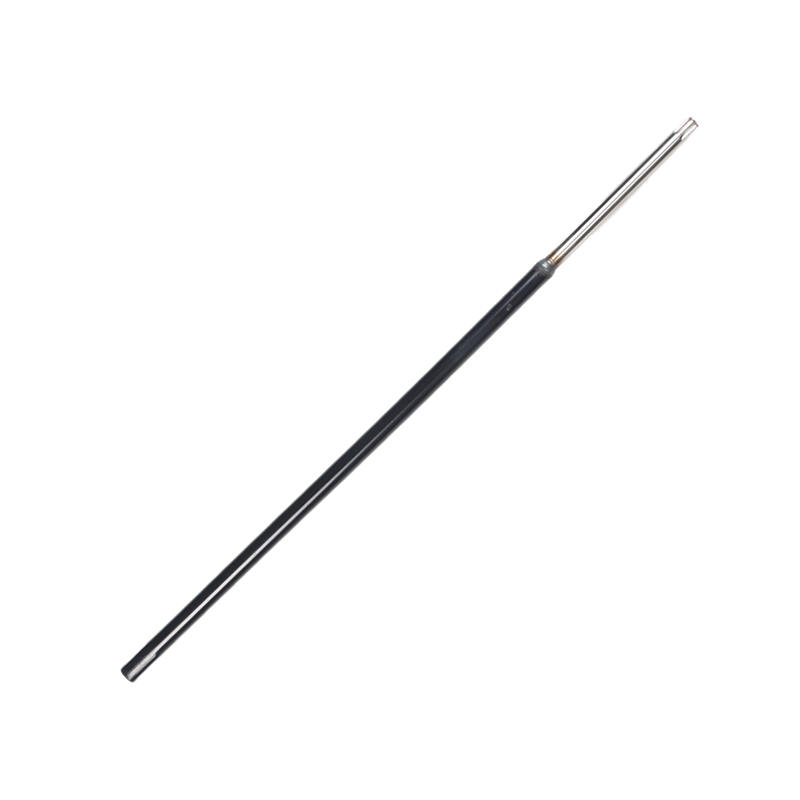
Q1: What is the standard length of a long shaft outboard motor?
A long shaft outboard is typically around 20 inches, designed to match higher transoms and provide stable propeller immersion under normal sea conditions.
Q2: How can I tell if my boat needs a long or short shaft?
Measure your transom height and compare it to the motor's shaft length specification; higher transoms and rougher water use cases usually point toward long or extra‑long shaft motors.
Q3: Does shaft length affect fuel efficiency?
Yes, incorrect shaft length can cause ventilation or excess drag, both of which reduce efficiency; a properly matched long shaft improves thrust and helps maintain more efficient operation.
Q4: Are long shaft motors better for saltwater use?
They are often preferred for saltwater and rougher conditions because increased immersion helps maintain grip in waves, but corrosion protection and maintenance are just as important.
Q5: Can I retrofit my existing motor with a different shaft length?
In some cases, you can change lower units or drive shaft assemblies through OEM or aftermarket parts, but it must be done with careful attention to compatibility and alignment, ideally guided by a specialist.
1. Ningbo Gill Transmission Parts Co., LTD. – About Us. Corporate history, production capacity, product scope, and technical strength in gears, drive shafts, and marine transmission parts. https://www.gilltransmission.com/aboutus.html
2. Gill Transmission – Official Website. Contact information and product overview for gear, drive shaft, and propeller shaft manufacturing. https://www.gilltransmission.com
3. Gill Transmission – "How to Grease a Drive Shaft Properly: Step-by-Step Guide for Longer Service Life." Technical guidance on drive shaft lubrication and maintenance. https://www.gilltransmission.com/how-to-grease-a-drive-shaft-properly-step-by-step-guide-for-longer-service-life.html
4. Gill Transmission – "Top 10 Propeller Shaft Manufacturers in China." Industry positioning and overview of propeller shaft manufacturing capabilities. https://www.gilltransmission.com/top-10-propeller-shaft-manufacturers-in-china.html
5. Encyclopedia of Ship Transmission Shafts (ZGBK). Technical definition and function of marine transmission shafts in ship propulsion systems. https://www.zgbk.com/ecph/words?SiteID=1&ID=555058&Type=bkzyb


