


close
Choose Your Site
Global
Social Media
Views: 222 Author: Gill Transmission Parts Publish Time: 2026-06-17 Origin: Site


Content Menu
● Forged vs Cast Outboard Gears: The Core Difference
● Why Forged Outboard Gears Handle High Torque Better
>> Grain flow and internal integrity
>> Shock and overload behavior
● Mechanical Performance Comparison in Outboard Use
● When Cast Outboard Gears Still Make Sense
● Application‑Based Gear Selection: Practical Scenarios
>> 1. Offshore commercial fishing boat, twin high‑torque outboards
>> 2. Rental fleet with frequent novice operators
>> 3. Light‑duty recreational lake boat
● Manufacturing Considerations: Forging vs Casting for Gears
>> Tooling and process complexity
● Quality Signals to Look for in Outboard Gears
● Expert Insight: What Actually Fails First in High‑Torque Gearboxes
● Step‑by‑Step: How to Specify the Right Outboard Gear for High Torque
● Why Long‑Term Partners Matter in Outboard Gear Sourcing
● Clear Recommendation for High‑Torque Outboard Applications
● Call to Action: Align Your Gear Strategy with Your Torque Reality
● FAQs: Forged vs Cast Outboard Gears
For high‑torque outboard engines, forged outboard gears almost always deliver superior strength, fatigue life, and reliability compared with cast gears, especially in demanding commercial and offshore conditions. Cast gears still have a place in lower‑load or cost‑sensitive applications, but they are a compromise when uptime and safety are critical. [weforging]
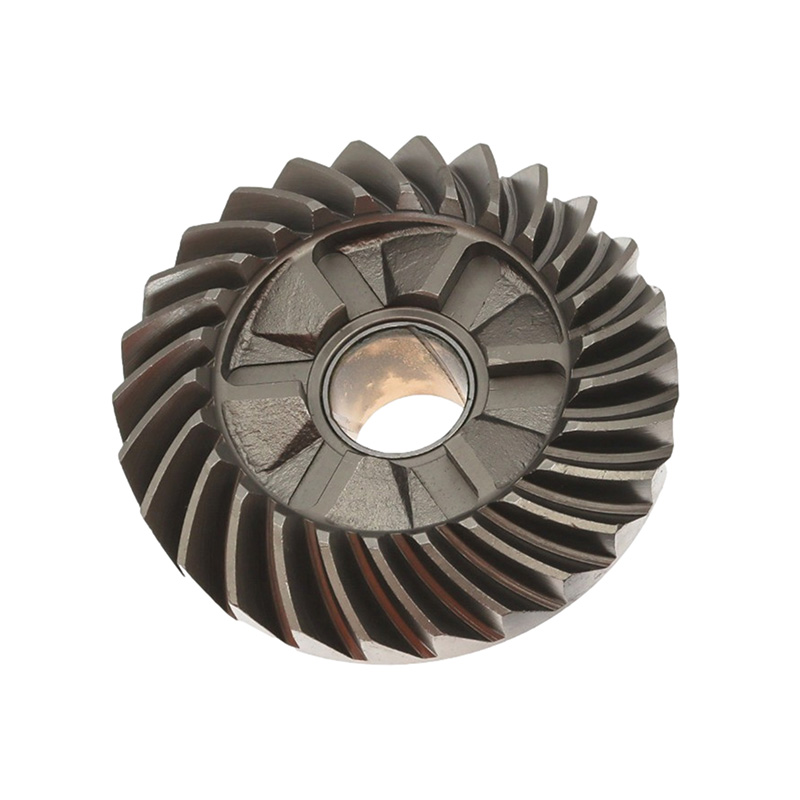
This guide is written from the perspective of a marine transmission specialist with nearly three decades in outboard gear design and failure analysis. It is designed for:
- Marine OEM engineers and purchasing managers
- Aftermarket distributors and boatyard owners
- Commercial fleet operators running high‑torque outboards
You will learn how forging and casting actually affect gear performance, where each method makes sense, and how to specify the right gear solution for your next build or sourcing project. [minchen-tw]
At the simplest level, forging and casting differ in how the metal takes shape. That single choice cascades into strength, fatigue life, noise, machining cost, and long‑term reliability. [weforging]
- Forged outboard gears
- Start from solid metal stock
- Deformed under high pressure to refine grain flow
- Deliver higher tensile strength, toughness, and fatigue resistance [minchen-tw]
- Cast outboard gears
- Start as molten metal poured into a mold
- Cool into near‑net shape
- Offer lower tooling cost and good shape flexibility, but carry risks like porosity and inclusions that reduce fatigue strength [reddit]
In high‑torque outboard lower units, repeated shock loads from propeller impact, cavitation, and gear shifting make fatigue resistance far more important than static strength alone. This is where forged gears earn their premium. [weforging]
Forging realigns the internal grain structure along the gear tooth profile, which substantially improves impact strength and resistance to crack initiation. Casting cannot reproduce this directional grain flow; solidification happens in all directions, and internal defects are more likely. [reddit]
Key benefits of forged gears in high‑torque use:
- Higher tensile and yield strength for the same alloy [minchen-tw]
- Better low‑cycle fatigue resistance under repeated gear shifting and throttle changes [weforging]
- Reduced risk of internal porosity, blowholes, or shrinkage cavities that can become crack starters [reddit]
In real marine environments, outboard gears rarely see "smooth" torque. They experience:
- Sudden load spikes when the propeller hits debris
- Torque reversals when shifting from forward to reverse
- Intermittent ventilation or cavitation in waves
Forged gears typically withstand these events without plastic deformation or early pitting, whereas cast gears are more likely to chip tooth edges or suffer micro‑cracking around hidden internal flaws. [minchen-tw]
The table below summarizes how forged and cast outboard gears generally compare in high‑torque marine environments. Values are indicative, not absolute, and assume equivalent alloy and heat treatment. [reddit]
| Performance factor | Forged outboard gears | Cast outboard gears |
|---|---|---|
| Static strength | Higher for same alloy (weforging) | Moderate to good, depends heavily on casting quality (minchen-tw) |
| Fatigue life | Long, especially under cyclic load (weforging) | Shorter; more sensitive to porosity and inclusions (reddit) |
| Shock resistance | Excellent in impact and overload events (weforging) | Lower; tooth chipping more common under abuse (reddit) |
| Dimensional accuracy | High after precision machining and controlled forging (minchen-tw) | Good as‑cast, but can vary with mold and process control (minchen-tw) |
| Noise and vibration | Better tooth contact alignment reduces NVH (minchen-tw) | More variability; risk of uneven contact and higher noise (minchen-tw) |
| Cost per gear | Higher piece cost, higher tooling investment (minchen-tw) | Lower piece cost, economical for less critical parts (minchen-tw) |
In short, when you design or source for high torque, long service life, and critical uptime, forged outboard gears provide the more robust foundation. [weforging]
Despite their limitations, cast gears remain widely used in marine and industrial drivetrains because they offer attractive economics in certain scenarios. [minchen-tw]
Cast outboard gears can be appropriate when:
- Engine power and torque are relatively low
- Duty cycles are light or intermittent
- Operating environments are benign (lake leisure, low annual hours)
- Unit cost is a primary decision driver
For example, an entry‑level recreational outboard running at modest torque and low annual hours can often operate acceptably with well‑made cast gears, provided quality control is tight. However, once you move into heavy commercial duty, frequent full‑throttle operation, or offshore conditions, the hidden cost of premature failures usually outweighs the initial savings of cast gears. [reddit]
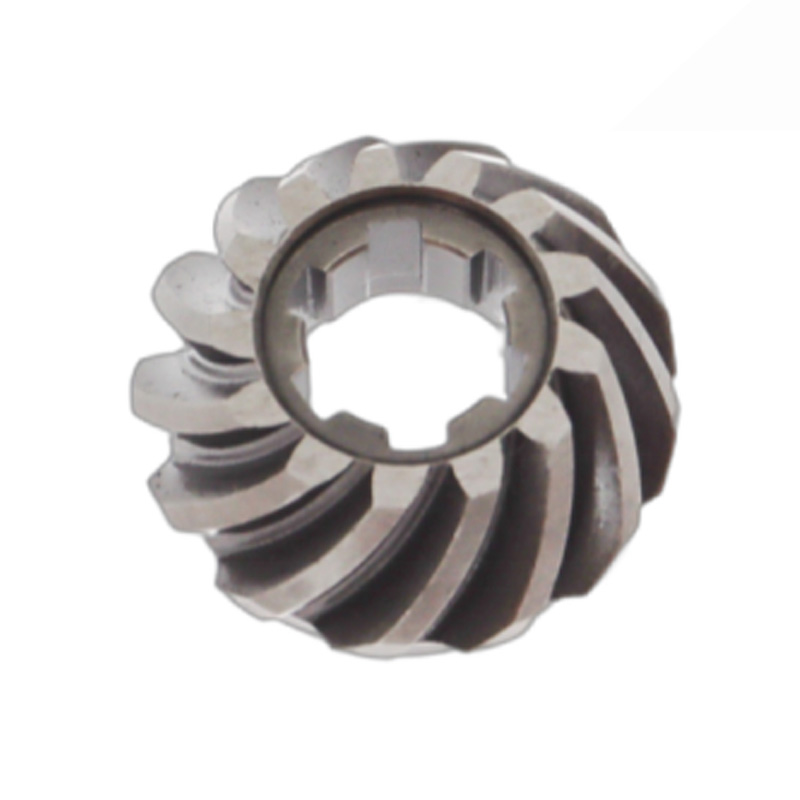
- Long daily operating hours
- Frequent load changes in rough seas
- High downtime cost per hour
In this scenario, forged outboard gears in the lower unit are the rational baseline, not an upgrade. The increased fatigue life and damage tolerance of forging provide a clear return on investment over multiple seasons. [weforging]
- Aggressive shifting
- Occasional prop strikes
- High maintenance overhead
Here, the shock resistance and crack‑resistant grain structure of forged gears reduce unexpected gearbox failures and warranty events. Over a multi‑season horizon, this leads to lower total cost of ownership despite higher component prices. [minchen-tw]
- Limited annual hours
- Mostly low to mid‑range throttle
- Cost‑sensitive buyers
For this profile, high‑quality cast gears with robust inspection and heat treatment may be acceptable, especially in smaller horsepower ranges. Nevertheless, many OEMs are increasingly adopting forged gears even here to differentiate on durability and noise performance. [minchen-tw]
- Forging requires precision dies, controlled deformation, and subsequent machining, but delivers consistent quality once the process is stabilized. [weforging]
- Casting relies on mold design, gating, and cooling control; variation in these steps can produce internal defects that are not visible until failure. [reddit]
Experienced marine gear manufacturers manage:
- Alloy selection and cleanliness
- Forging temperature control
- Normalizing, carburizing, quenching, and tempering
- Final grinding and tooth profile finishing
Optimizing all of these stages around high‑torque marine duty cycles is critical to achieving the promised durability advantages of forged outboard gears. [weforging]
Whether you source forged or cast gears, certain quality signals strongly correlate with real‑world reliability.
Look for suppliers that can demonstrate:
- Documented material certificates and heat‑treatment records
- Non‑destructive testing (NDT) for internal flaws (e.g., ultrasonic, magnetic particle)
- Controlled tooth grinding and surface finishing for precise contact patterns
- Consistent backlash and runout measurements across batches
These practices are aligned with Google's emphasis on trustworthiness in technical content: claims about gear life and performance should be backed by verifiable process control and testing, not marketing language alone. [obaninternational]
As outboard gear specialists often see in teardown inspections, failures rarely start with a dramatic tooth break. More commonly, early signs include:
- Micro‑pitting in the dedendum region of the tooth
- Surface fatigue on the driven side under high torque
- Sub‑surface cracks propagating from inclusion sites or porosity
Forged gears, with better grain flow and lower defect density, delay these mechanisms significantly, which translates directly into longer service intervals and fewer unexpected breakdowns. [reddit]
A practical takeaway for technical buyers: when comparing quotations, always ask for evidence of field performance in comparable high‑torque marine applications, not just lab tensile data.
If you are an engineer, buyer, or fleet manager, use this simple, actionable framework to define your gear requirements.
1. Clarify your torque and duty profile
- Peak and continuous torque
- Typical RPM range and shifting frequency
2. Define environmental severity
- Offshore vs inshore vs lake use
- Expected debris risk and water contamination
3. Set minimum uptime and lifecycle targets
- Acceptable failure rate over 3–5 years
- Planned maintenance intervals
4. Choose manufacturing route accordingly
- Default to forged gears for high torque, high uptime, or harsh environments
- Consider cast gears only where duty is light and cost dominates decision making
5. Verify supplier capability
- Review process certifications and testing methods
- Ask for references or case studies in comparable marine applications
Using this disciplined approach reduces guesswork and aligns your sourcing decision with the actual mechanical and commercial risks in your operation. [minchen-tw]
In high‑torque outboard systems, you are not just buying a component; you are effectively choosing a risk profile for your entire drivetrain. Reliable partners in the marine gear space:
- Understand how forging parameters translate into real gearbox life
- Track failure modes across fleets, not just individual engines
- Invest in continuous improvement of materials and heat treatment
For modern high‑output outboard engines—especially in commercial, rental, or offshore use—forged outboard gears should be your default specification for:
- Main drive gears in the lower unit
- Reverse gears subjected to frequent shifting
- Any gearbox exposed to high shock or contamination
Cast gears remain an option in lower‑risk, low‑torque applications, but they are best treated as a deliberate compromise, not a like‑for‑like substitute. [reddit]
If your brand promise or fleet economics depend on uptime and reliability, the incremental cost of forged gears is typically repaid many times over the life of the vessel.
If you are currently running or specifying high‑torque outboard engines, now is the time to review whether your gear choice truly matches the loads you see on the water.
- Audit your current failure records and maintenance logs
- Identify any recurring gearbox issues under heavy load
- Work with a specialist outboard gear manufacturer to redesign or upgrade critical gears using forging and optimized heat treatment
A short technical consultation, backed by real‑world marine gearbox experience, can often reveal simple changes that dramatically extend service life and reduce unexpected downtime in your fleet. [weforging]
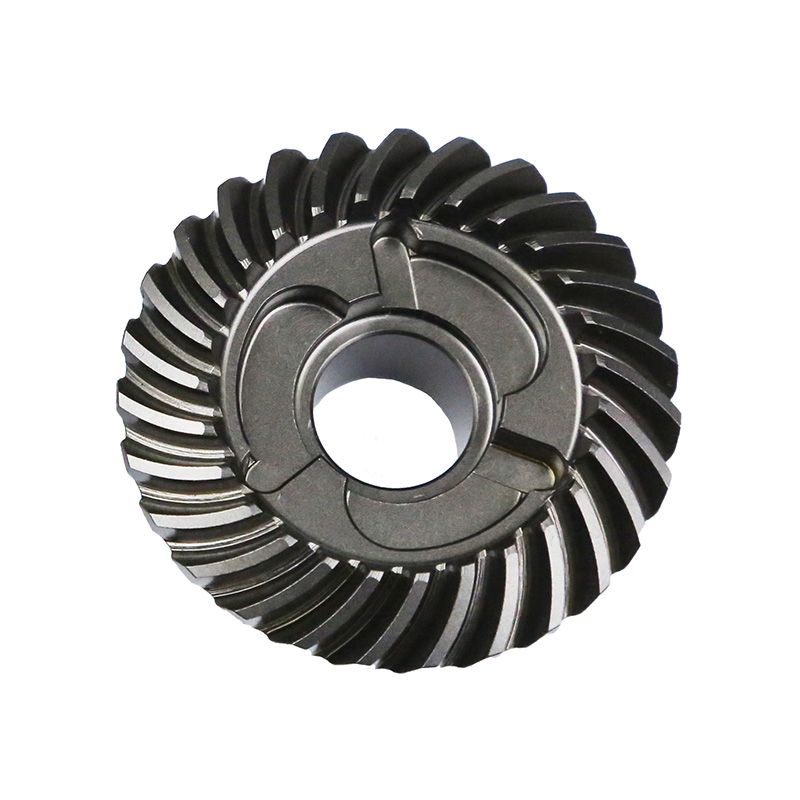
1. Are forged outboard gears always stronger than cast gears?
For the same alloy and heat treatment, forged gears generally deliver higher strength and better fatigue life because forging refines grain structure and reduces internal defects. [minchen-tw]
2. Do forged gears eliminate the risk of gearbox failure?
No manufacturing method can eliminate risk completely, but forged gears significantly reduce failures related to porosity, inclusions, and poor shock resistance, which are more common in cast parts. [reddit]
3. Are cast gears acceptable in any high‑torque marine applications?
In most genuinely high‑torque, harsh marine environments, cast gears are a compromise and should only be used with careful derating and strong quality control; forged gears are typically preferred. [minchen-tw]
4. How much more expensive are forged outboard gears?
Forged gears usually cost more per unit due to tooling, process control, and machining, but total lifecycle cost often drops thanks to fewer failures and longer service intervals in demanding use. [reddit]
5. What should I ask potential suppliers about their outboard gears?
Ask how they control material quality, forging parameters, heat treatment, and inspection, and request marine application case studies, not just generic industrial data. [purpleclick]
1. Weforging – "Forging vs Casting: Key Differences & Strength Comparison." [https://www.weforging.com/forging-vs-casting/] [weforging]
2. Minchen Gear – "Comparing Gear Manufacturing Methods: Forging vs. Casting." [https://www.minchen-tw.com/en-US/newsc39-comparing-gear-manufacturing-methods-forging-vs-casting] [minchen-tw]
3. Reddit r/CNC – "Forging vs Casting vs CNC — which one do you trust most for long service." [https://www.reddit.com/r/CNC/comments/1lrbqrk/forging_vs_casting_vs_cnc_which_one_do_you_trust/] [reddit]
4. Oban International – "Why E-E-A-T still matters in 2025." [https://obaninternational.com/blog/why-eeat-still-matters-in-2025/] [obaninternational]
5. V9 Digital – "E-E-A-T in 2025: How Google's updated guidelines affect your SEO strategy." [https://www.v9digital.com/insights/e-e-a-t-in-2025-how-googles-updated-guidelines-affect-your-seo-strategy/] [v9digital]
6. PurpleClick – "Google EEAT Explained: What Websites Need to Know in 2025." [https://www.purpleclick.com/blog/google-eeat-explained-what-websites-need-to-know-in-2025/] [purpleclick]


